

Choosing the best dog food involves selecting a diet formulated to meet the nutritional standards set by the Association of American Feed Control Officials.
Choosing between dry kibble and wet food often comes down to your dog’s preference and your budget. If your dog is a picky eater, wet food might be more appetizing, but it’s more expensive and has a shorter shelf life once opened. If you need convenience and cost-effectiveness, dry food is typically the better option. A common mistake is choosing a food based solely on marketing claims rather than the ingredient list. This often costs owners money on “premium” brands that don’t provide better health outcomes than standard, nutritionally complete options.
How to choose the best food for dogs
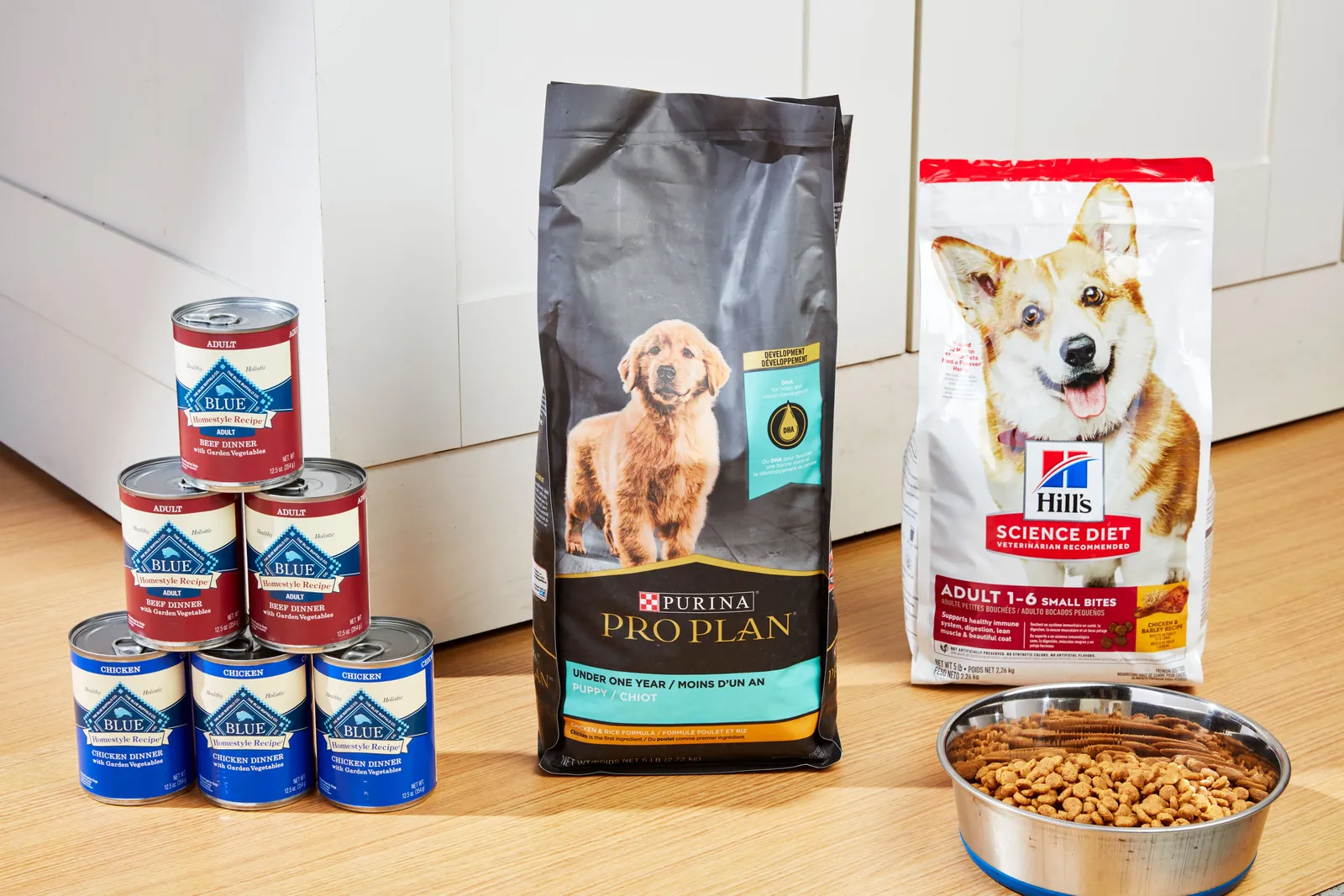
- Check the packaging for a statement of nutritional adequacy that confirms the food meets the standards set by the Association of American Feed Control Officials. This statement is mandatory in the United States and serves as your primary guide for quality.
- Identify your dog’s specific life stage, such as puppy, adult, or senior, as nutritional requirements vary significantly across these periods. Puppies need higher calorie and calcium levels to support growth, while seniors often need fewer calories to prevent weight gain.
- Review the ingredient list to ensure the first item is a high-quality animal protein source, such as chicken, beef, or fish. Avoid bags that list generic “meat by-products” as the primary ingredient if you want to know exactly what your dog is consuming.
- Consult your veterinarian before making a major dietary change, especially if your dog has known allergies or chronic health conditions. Tip: Never switch your dog’s food abruptly, as this can cause digestive upset; instead, mix the new food with the old over a period of 5 to 7 days.
- Monitor your dog’s weight and body condition score regularly to determine if the current portion size is correct. Tip: If your dog gains weight, reduce the daily portion by 10% and re-evaluate their weight after two weeks.
How long it takes to transition
Transitioning your dog to a new diet is a gradual process that lasts about one week to prevent gastrointestinal distress.
| Situation | How long | What changes it | What to watch for |
|---|---|---|---|
| Sensitive stomach | 10-14 days | Previous diet history | Vomiting or loose stool |
| Standard adult | 5-7 days | Dog’s appetite | Energy levels |
| Puppy growth | 3-5 days | Rapid growth needs | Stool consistency |
If you notice your dog is refusing to eat for more than 24 hours during the transition, contact your local veterinary clinic for guidance.
Signs your dog is thriving
Photo: www.aseertime.com on Google
You can tell if a food is working by observing your dog’s physical health and energy levels. A healthy dog should have a shiny coat, clear eyes, and firm, consistent stool. If the dog maintains a steady weight and displays normal activity levels, the food is likely meeting their needs. When in doubt, the most reliable test is a body condition assessment performed by a veterinarian to ensure your dog is neither underweight nor carrying excess fat.
Common mistakes in dog nutrition
- Feeding by volume instead of calories: Many owners use a standard scoop without realizing that calorie density varies wildly between brands, which leads to unintended weight gain. Always use a kitchen scale or the specific feeding guide on the back of the bag to measure by weight.
- Adding too many table scraps: Human food is often too high in fat or contains seasonings that are toxic to dogs, such as onions or garlic. Limit treats to no more than 10% of their total daily caloric intake to ensure their primary diet remains balanced.
- Ignoring the expiration date: Dry food can go rancid if stored improperly or kept past its shelf life, which destroys essential vitamins and fats. Keep the food in its original bag inside an airtight container in a cool, dry place to maintain freshness.
Frequently asked questions
Can I feed my dog human food?
No, you shouldn’t replace a balanced dog food with human food because it’s very difficult to meet their complex nutritional requirements at home. While some plain vegetables or cooked meats are safe as occasional treats, they lack the vitamins and minerals necessary for long-term canine health.
How much should I feed my dog?
You should follow the feeding chart on your specific brand of food, as the required amount depends on your dog’s weight, age, and activity level. Start with the recommended amount for your dog’s current weight and adjust the portion size based on their body condition over the next month.
Is grain-free food better for dogs?
No, grain-free food isn’t scientifically proven to be better for the average dog unless they have a specific diagnosed allergy to grains. Most dogs digest grains like rice and oats easily, and these ingredients provide necessary fiber and energy that support overall digestive health.
How often should I change dog food brands?
You don’t need to change brands frequently, as dogs thrive on consistency rather than dietary variety. If your dog is healthy, maintains a good weight, and enjoys their current food, it’s best to keep them on the same high-quality diet for their entire life stage.
What happens if I overfeed my dog?
Overfeeding leads to obesity, which increases the risk of joint problems, diabetes, and heart disease in dogs. If you notice your dog has lost the visible “tuck” at their waist or you can’t easily feel their ribs when you press lightly, they’re likely receiving too many calories.
How can I tell if my dog has a food allergy?
You can identify a potential food allergy by watching for chronic skin itching, ear infections, or recurring digestive issues. If you suspect an allergy, consult your veterinarian to conduct an elimination diet trial, which is the only reliable way to pinpoint a specific ingredient causing the reaction.
Conclusion
The quality of your dog’s life depends heavily on the consistency and balance of their daily meals. By focusing on products that meet established nutritional guidelines and monitoring your pet’s physical condition, you ensure they receive the energy they need for a healthy and active life. Always prioritize your veterinarian’s advice when you notice changes in your dog’s health, as they can provide the most accurate assessment of your specific pet’s needs.