
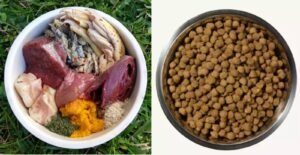
Feeding dogs high-quality commercial food that meets the nutritional standards set by the Association of American Feed Control Officials is the best way to ensure a balanced life.
Popular Dog Food Types at a Glance
Choosing a diet depends on your dog’s lifestyle and your own schedule. This table compares the main options available for owners to consider.
| Food Type | Best For | Concrete Example |
|---|---|---|
| Dry Kibble | Budget and convenience | Chicken and rice formula |
| Wet Canned | Picky eaters | Beef stew in gravy |
| Raw Frozen | High-energy working breeds | Raw ground turkey patties |
| Fresh Cooked | Dogs with sensitivities | Freshly steamed salmon mix |
| Freeze-Dried | Travel and training | Dehydrated liver pieces |
Dry Kibble
Dry kibble is a shelf-stable, calorie-dense food that provides a complete diet for most adult dogs. It suits owners who need an easy-to-store option that stays fresh in the bowl throughout the day.
- Offers the most cost-effective way to feed a large breed dog.
- Contains low moisture content, requiring constant access to fresh water.
If you’re using kibble, always check the back of the bag for the AAFCO nutritional adequacy statement to ensure it’s complete. A standard cup of kibble contains about 350-450 calories depending on the fat content; adjust this amount if your dog is less active.
Wet Canned Food
Wet food provides high moisture content, which helps keep dogs hydrated while offering a stronger aroma that appeals to dogs with a lower appetite. It’s ideal for senior dogs who may struggle with dental pain or those who drink very little water.
- Increases daily water intake through food consumption.
- Contains fewer calories per ounce than dry kibble, helping with weight control.
- Provides a softer texture that’s easier to chew and swallow.
A typical 13-ounce can contains roughly 350-500 calories; for a small dog, you might use half a can per meal, while a large dog may need two full cans.
Raw Frozen Diets
Raw diets consist of uncooked meat, bones, and organs, intended to mimic the ancestral diet of canines. This option suits owners who are prepared to handle raw meat safely and have the freezer space to store bulk quantities.
- Provides high bioavailability of essential nutrients and amino acids.
- Supports a shiny coat and healthy skin through natural fats.
- Eliminates processed fillers or artificial preservatives found in some kibbles.
Raw feeding requires strict hygiene, as handling raw meat poses a risk of bacterial contamination to your household. If your dog has a compromised immune system, avoid raw diets entirely. You must balance these meals perfectly to avoid nutrient deficiencies, which often requires professional guidance.
Fresh Cooked Meals
Photo: www.aseertime.com on Google
Fresh cooked food uses lightly processed, human-grade ingredients like lean meats, vegetables, and grains. This is best for dogs with severe allergies who need a controlled list of ingredients to avoid specific triggers.
- Offers superior quality control over every ingredient used.
- Increases palatability for dogs that refuse other types of food.
- Contains no artificial colors or synthetic flavoring agents.
Most fresh meals are delivered in pre-portioned packs based on your dog’s weight. If you cook these meals at home, you must follow a recipe designed by a veterinary nutritionist; guessing the mineral balance can lead to dangerous long-term health issues.
Freeze-Dried Options
- Freeze-Dried Raw: This is raw food that has had the water removed, offering the benefits of raw feeding without the need for a freezer. It’s perfect for owners who travel frequently with their pets.
- Air-Dried Food: This method uses low heat to remove moisture, creating a jerky-like texture. It’s a great middle-ground for owners who want high protein but dislike the mess of raw meat.
How to Choose Your Dog’s Diet
Your choice between these options comes down to three factors: your dog’s age, their health status, and your own budget. Puppies require higher protein and calcium levels than seniors, so always look for a label that says “growth” or “all life stages” for young dogs. If your dog has a sensitive stomach, stick to a single-protein diet to make tracking triggers easier. You can mix wet and dry food to improve palatability, but you must subtract the calories from the dry portion to prevent weight gain. Combining diets is safe, but always introduce new foods slowly over seven days to avoid digestive upset.
Frequently asked questions
How much should I feed my dog?
You should feed your dog based on their target weight, usually between 2% and 3% of their body weight daily. Check the packaging guidelines for your specific brand, as calorie density varies significantly between different formulas and meat sources.
Is it safe to feed my dog human food?
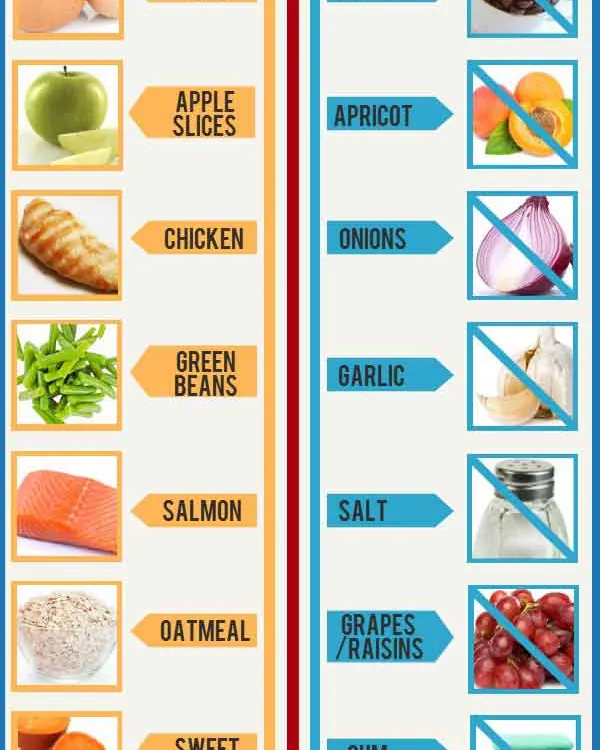
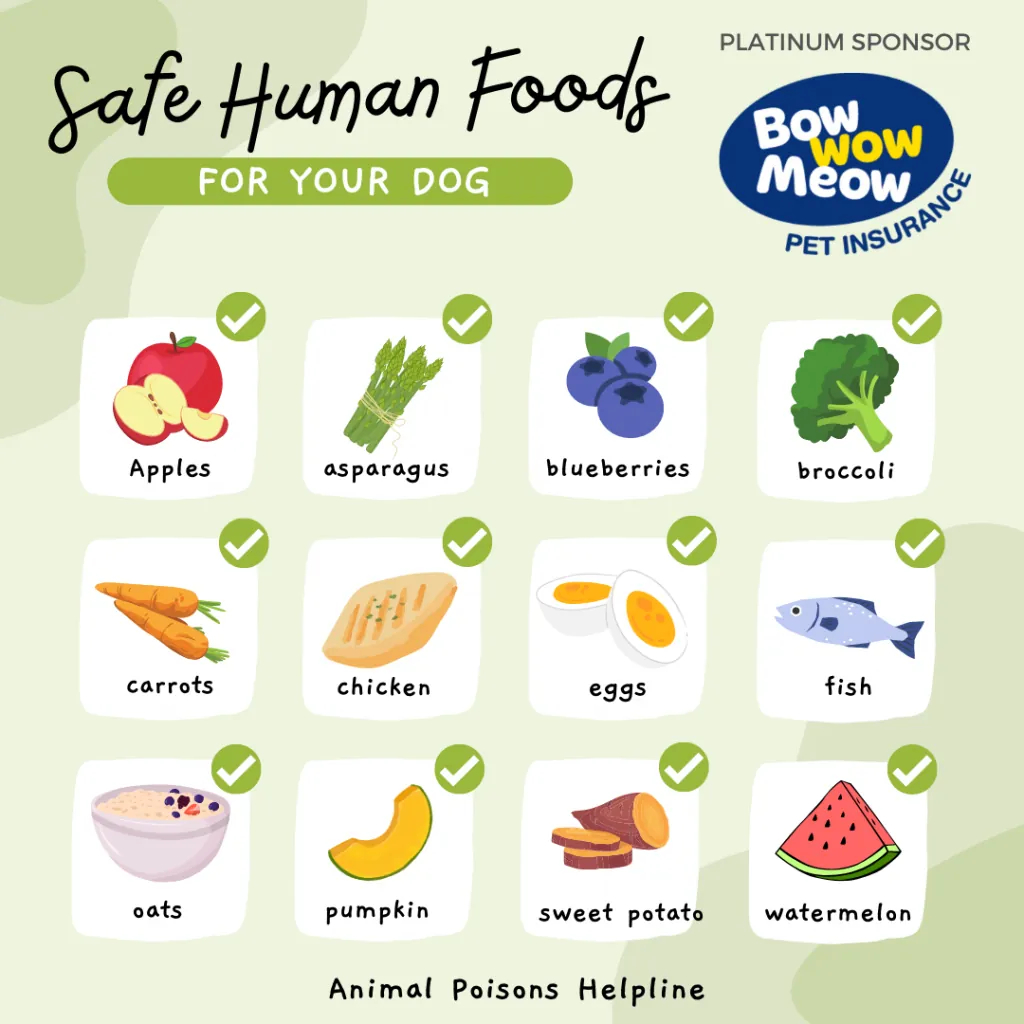
It’s safe to feed plain, cooked meats and vegetables, but you must avoid toxic items like onions, garlic, grapes, and chocolate. Always consult your veterinarian before adding human food to ensure you aren’t creating a nutritional imbalance.
How often should I feed my dog?
You should feed your adult dog twice per day to keep their blood sugar levels stable. Puppies under six months require three to four smaller meals daily to support their rapid growth and higher energy needs.
Does it matter if the food is grain-free?
It doesn’t matter for most healthy dogs, as grains provide essential energy and fiber. Only switch to a grain-free diet if your veterinarian confirms your dog has a specific allergy to grains through a formal diagnostic test.
What happens if I switch dog food too fast?
You’ll likely see digestive issues like diarrhea or vomiting if you switch too quickly. Always transition over one week by mixing 25% new food with 75% old food, gradually increasing the ratio until the transition is complete.
How long does an opened bag of kibble last?
An opened bag of kibble stays fresh for about four to six weeks if stored in an airtight container. Keep the food in its original bag inside the container to preserve the protective lining and prevent the fats from going rancid.
Conclusion
Start by checking your dog’s body condition score to see if they’re at a healthy weight. If they are, maintain their current portions while monitoring their energy levels and coat quality. Stop and see your vet if you notice sudden weight changes.