
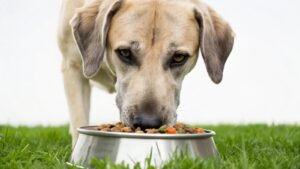
A large dog eats 3 to 5 cups of dry food daily, assuming a weight between 70 and 90 pounds with average activity.
Most owners pour too much because they use household mugs. A coffee mug can hold 12 ounces while a true measuring cup holds only 8, adding hundreds of unintended calories daily. Always use a calibrated scoop or kitchen scale to ensure accuracy.
Measuring how much a large dog eats in daily portions
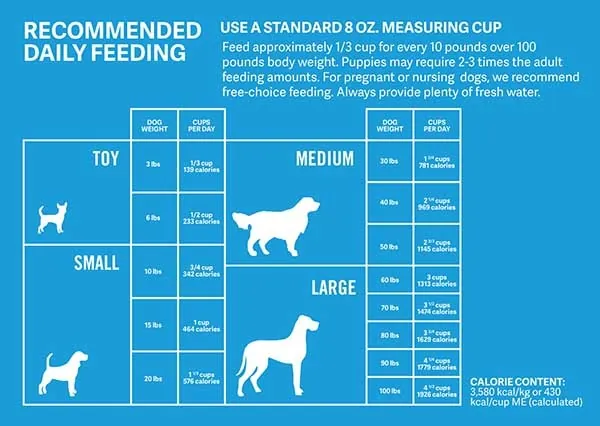
Feeding guidelines provide a starting range, but individual needs vary based on age, neuter status, and health.
- Weigh your dog using a calibrated scale to get an accurate current mass. If you don’t have a home scale, visit a vet clinic monthly to track trends, as guessing weight makes every subsequent calculation wrong.
- Read the metabolizable energy (ME) value printed on the food bag. This number tells you exactly how many kilocalories are in each cup, which is the only reliable way to compare different diets.
- Calculate the resting energy requirement using the formula: 70 × (body weight in kg)^0.75. Multiply this result by 1.6 for a typical neutered adult, or check the NRC nutrient requirements for other life stages.
- Divide the total daily calories needed by the ME per cup to find the volume. For example, if your dog needs 1,600 kcal and the food has 400 kcal/cup, feed exactly 4 cups daily. Tip: Round down slightly if your dog tends to gain weight easily; it’s safer to add food later than to diet off excess fat.
- Split the total volume into two equal meals served twelve hours apart. Feeding once daily increases hunger-related behavior problems and bloat risk in deep-chested breeds, so consistency matters as much as quantity.
- Adjust the portion weekly based on visible waistline and rib feel. If ribs become hard to palpate under light pressure, reduce the current amount by 10%; if the spine looks prominent, increase by 10%.
Large dog feeding timeframes
Establishing a routine takes time. The schedule below assumes a healthy adult eating commercial kibble; raw diets or medical conditions require veterinary timelines. Puppies need three to four meals daily until six months old, so these durations apply only after maturity.
| Situation | Duration | What changes it | What to watch for |
|---|---|---|---|
| New brand transition | 7–10 days | Gut sensitivity level | Loose stools or vomiting |
| Weight loss adjustment | 4–8 weeks | Starting body fat % | Weekly weigh-in results |
| Post-surgery recovery | 2–4 weeks | Procedure type | Appetite return speed |
| Senior diet switch | 10–14 days | Dental comfort | Chewing hesitation |
| Activity level change | 1–2 weeks | Seasonal exercise | Energy crashes or restlessness |
If adjustments take twice as long as listed, consult your veterinarian to rule out underlying metabolic issues.
Signs of correct portion size
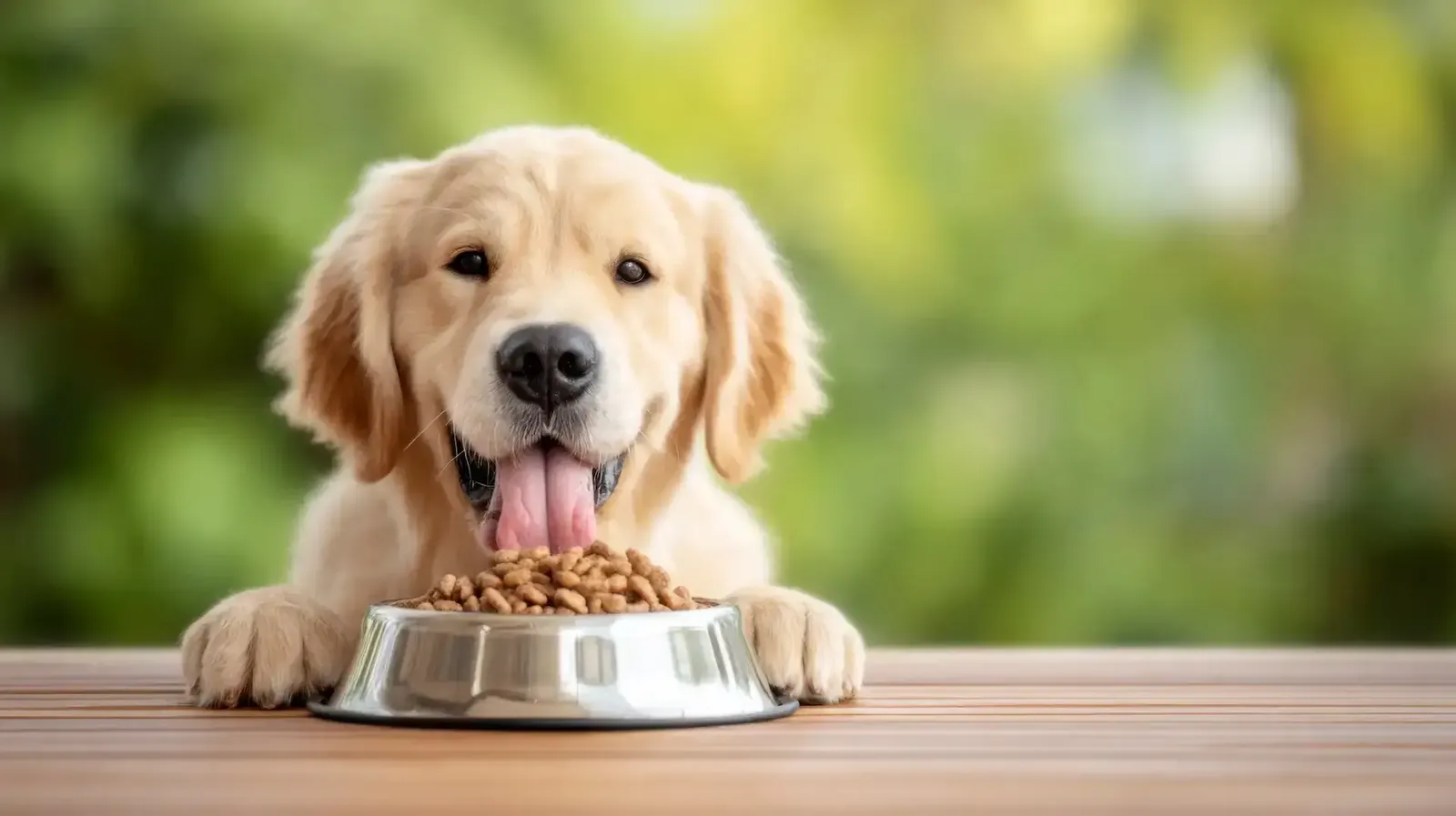
Visual assessment beats scale numbers because muscle mass varies between individuals of identical weight. The World Small Animal Veterinary Association provides body condition scoring charts that show ideal rib coverage and waist definition for different breeds. You should feel ribs easily under flat fingers without pressing hard, similar to touching the back of your hand.
Common feeding mistakes
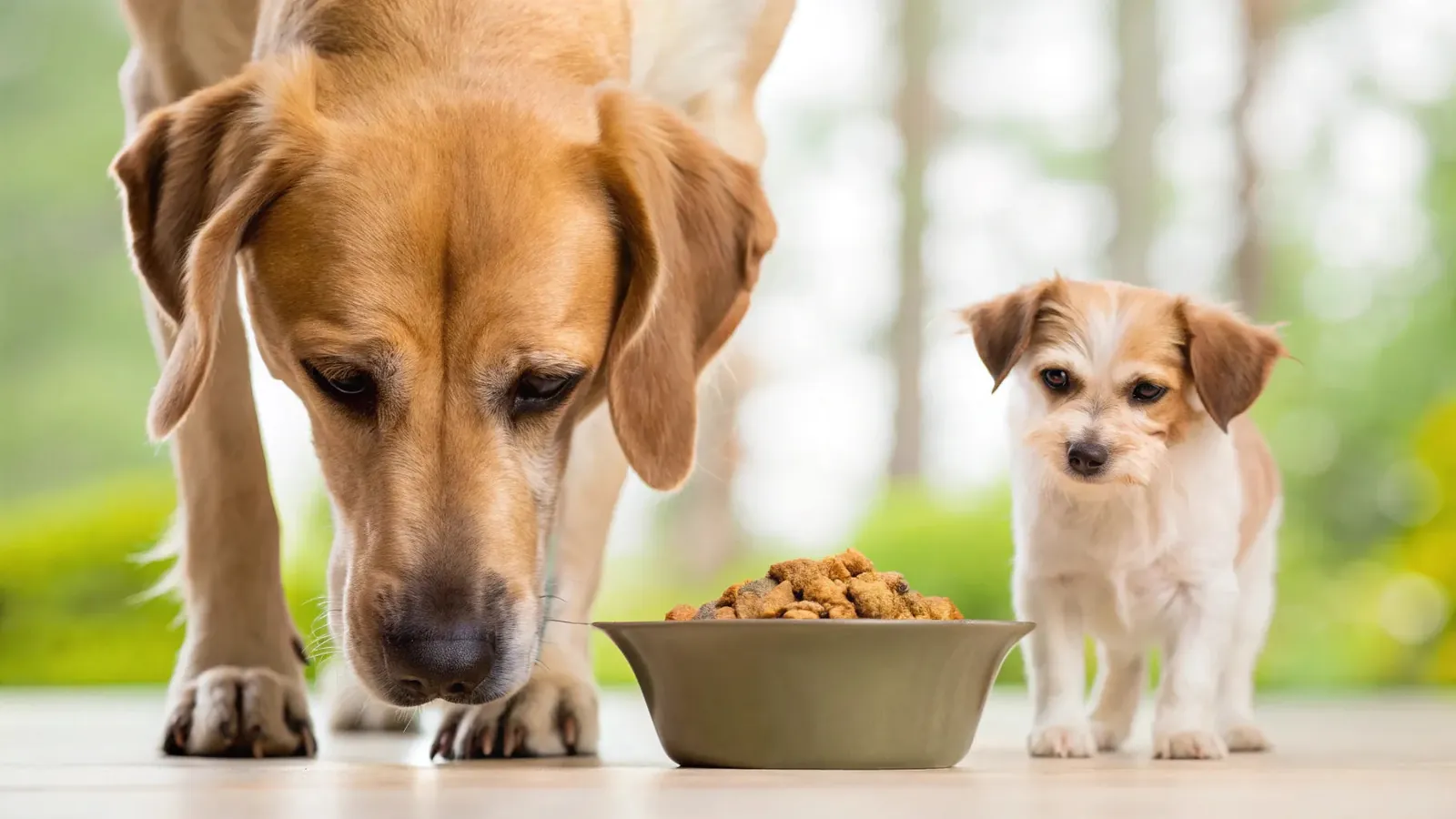
- Using uncalibrated scoops: Household containers vary wildly in volume, causing consistent overfeeding that adds pounds silently over months. Buy a dedicated measuring cup marked specifically for pet food or use a digital kitchen scale for precision.
- Ignoring treat calories: Biscuits and chews can comprise 20% of daily intake without being counted in meal portions. Subtract treat calories from the main meal allowance to maintain energy balance, or choose low-calorie vegetables like green beans as rewards.
- Free-feeding kibble: Leaving food out all day removes natural satiety cues and encourages boredom eating in large breeds. Measure exact portions and remove uneaten food after twenty minutes to establish structure and monitor appetite changes.
- Following bag maximums: Manufacturers print ranges covering extreme variation, and most dogs fall below the top recommendation. Start at the lower end of the suggested range and increase only if body condition indicates need, rather than assuming the highest number is correct.
Frequently asked questions
How many cups should a 70 lb dog eat?
A 70-pound dog typically eats 3 to 3.5 cups of standard adult maintenance kibble daily, assuming 350-400 kcal per cup. Higher-calorie performance foods require less volume, while weight-control formulas require more. Always verify the specific calorie content on your bag’s label.
Can I feed my large dog once a day?
Feeding large breeds once daily can cause prolonged hunger stress, and some veterinarians recommend splitting meals to support digestion. Splitting rations into two meals twelve hours apart supports stable blood sugar and reduces bloat danger. Consult your vet if medical conditions require alternative scheduling.
Why is my dog always hungry after eating?
Persistent hunger despite adequate portions often signals low-fiber kibble, parasites, or metabolic disease rather than insufficient food. Schedule a veterinary exam if hunger persists after switching to a higher-fiber formula.
Is free-feeding safe for large breeds?
No, free-feeding obscures appetite monitoring and promotes obesity in dogs prone to overeating. Measured meals twice daily allow you to notice changes immediately and maintain healthy weight.
How do I know if I’m overfeeding my dog?
Overfeeding shows as difficulty feeling ribs under light finger pressure and loss of waist definition when viewed from above. Weight gain exceeding 2% monthly confirms excess calories. Reduce portions by 10% and reassess body condition weekly until ideal shape returns.
What happens if I switch food too fast?
Rapid transitions cause diarrhea, vomiting, and food refusal due to gut microbiome disruption. Gradual mixing over seven to ten days allows digestive adaptation without distress. Extend the transition period if soft stools appear, as large breeds often have sensitive digestion.
Conclusion
Portion control requires ongoing observation rather than set-and-forget calculations. Your dog’s needs shift with seasons, aging, and health changes, so regular body condition checks matter more than memorizing cup amounts. Trust physical indicators over static numbers, and adjust gradually whenever lifestyle factors change.