
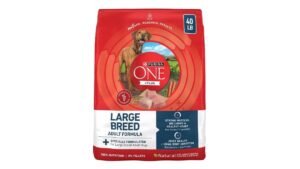
A large bag of dog food typically costs between $45 and $90 for standard 30-pound sizes at major US retailers. Premium or prescription formulas often range from $80 to $120 for the same weight, while budget economy brands may sell for $30 to $40. The final price depends heavily on ingredient quality, brand tier, and current store promotions.
Large dog food bag prices
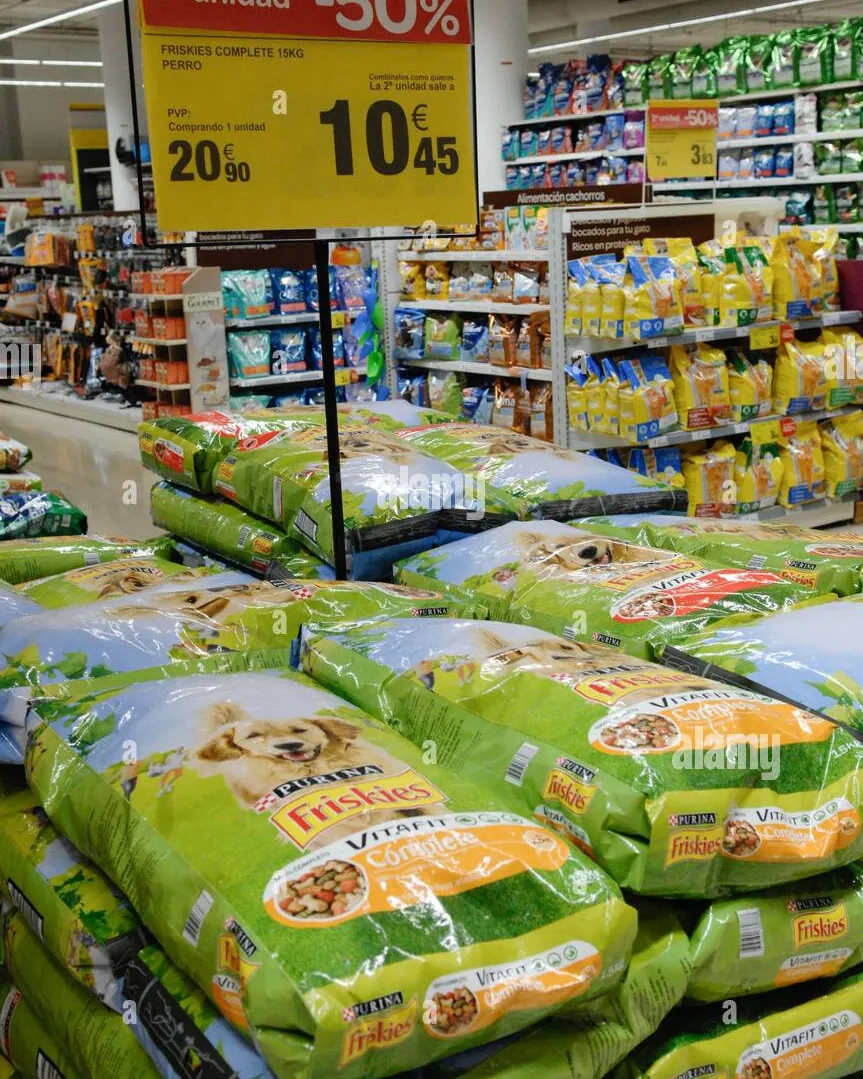
- Economy 30-pound bags cost $30 to $40 at mass-market stores like Walmart or Target.
- Mid-range premium formulas average $55 to $75 for a 30-pound bag at pet specialty shops.
- High-end grain-free or limited-ingredient diets run $80 to $100 per 30-pound bag.
- Veterinary prescription diets exceed $100 for 25 to 30 pounds and require vet authorization.
- Bulk club memberships reduce unit cost by 10% to 15% but require larger upfront spending.
- Online subscription discounts save 5% to 10% off the listed retail price automatically.
Why prices vary so much
Ingredient sourcing drives the base manufacturing cost more than marketing or packaging expenses do. Real meat proteins listed as the first ingredient cost significantly more than corn, wheat, or generic meat by-products used in budget formulas.
Processing standards also create distinct price tiers between economy and premium options. Higher heat processing for shelf-stable kibble is cheaper than gentle baking or freeze-drying methods that preserve nutrient integrity. Brands investing in third-party safety testing and specialized manufacturing facilities pass those operational costs directly to consumers through higher retail tags. You can verify specific product claims and ingredient definitions by reading the label’s guaranteed analysis panel yourself.
When dog food costs change
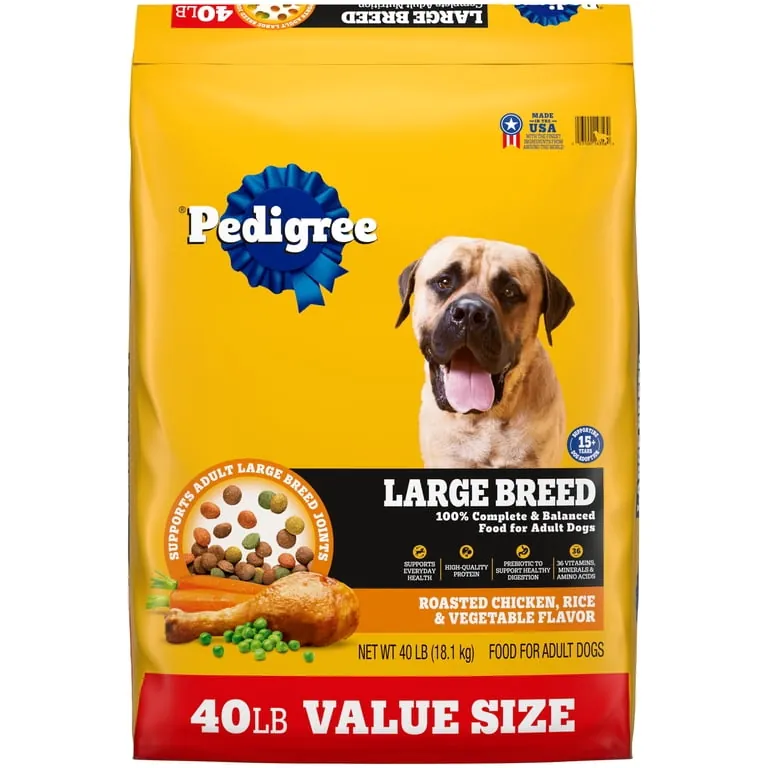
The standard price assumes a dry kibble formula purchased at full retail without discounts or special dietary needs. Different formats, health requirements, or purchasing channels shift the expected cost significantly outside that baseline range.
| Situation | What changes | What to do instead |
|---|---|---|
| Wet canned food | Costs triple per calorie | Buy cases for bulk discount |
| Prescription diet | Requires vet authorization | Ask clinic for price match |
| Raw frozen diet | Needs freezer storage space | Calculate monthly feeding cost |
| Puppy formula | Higher protein density costs | Switch at adult weight milestone |
| Auto-ship subscription | Saves 5-10% per order | Compare against warehouse club pricing |
| Generic store brand | Lower ingredient quality | Check guaranteed analysis panel |
How to compare dog food value
- Weigh your dog accurately using a home scale or veterinary clinic visit to determine correct portion size.
- Read the feeding chart on the bag to find daily cups recommended for your dog’s current weight.
- Divide total bag weight by daily serving amount to calculate exact days one bag lasts.
- Divide store price by days of feeding to get true daily cost for comparison.
- Check guaranteed analysis for crude protein percentage to ensure nutritional adequacy across different brands.
- Factor in any auto-ship discounts or loyalty points that apply to your specific retailer account.
- Record expiration dates to avoid waste if your dog refuses the new formula.
- Recalculate whenever your dog gains or loses five pounds to maintain accurate budgeting.
Mistakes that waste money
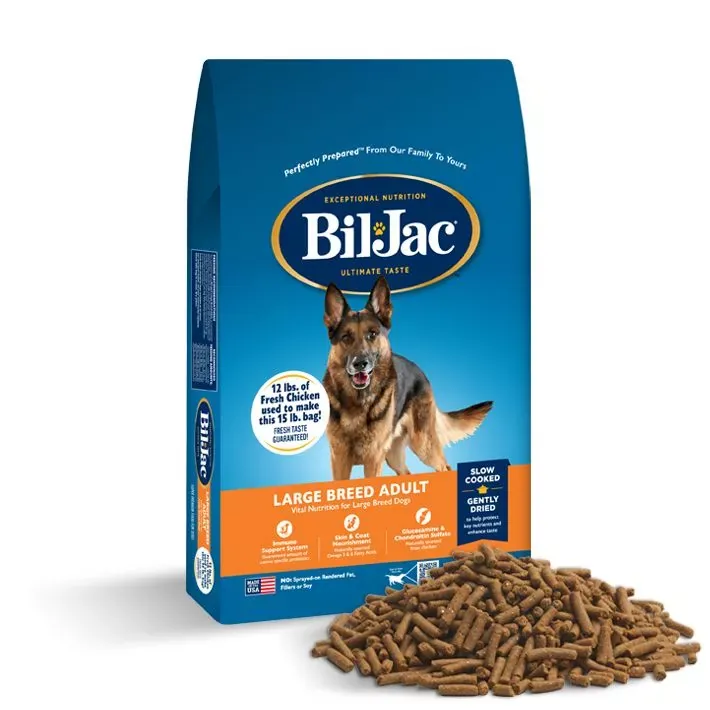
- Buying the biggest bag without checking freshness dates leads to stale food your dog won’t eat.
- Ignoring calorie density means cheaper food actually costs more per day due to larger servings.
- Switching formulas too quickly causes digestive upset and forces you to throw away unused portions.
- Storing kibble in original bags exposes fats to air and light, causing rancidity before the expiration date.
- Focusing only on price per pound ignores nutritional value, potentially increasing future veterinary bills.
Related guides
Frequently asked questions
How long does a 30lb bag last?
Thirty pounds lasts about 30 days for a 50-pound dog eating three cups daily, assuming standard kibble density. Smaller dogs eating less will stretch the bag to six weeks or longer, while active working dogs may finish it in two weeks. Always check your specific brand’s feeding chart.
Is expensive dog food worth it?
Higher-priced food often provides better nutrient bioavailability, meaning your dog absorbs more nutrition per cup. This can result in smaller stools, healthier coats, and potentially fewer vet visits over time. However, mid-range foods are perfectly adequate for healthy adult dogs with no special dietary needs.
Can I mix cheap and premium food?
Yes, mixing reduces cost while improving palatability, but transition gradually over seven days to prevent stomach upset. Maintain consistent protein sources to avoid triggering food sensitivities in prone dogs. Calculate the blended daily cost to ensure you’re actually saving money compared to buying a single mid-tier formula.
Does grain-free cost more?
Grain-free formulas typically cost 20% to 30% more than grain-inclusive versions due to alternative carbohydrate sources like lentils or sweet potatoes. Unless your dog has a diagnosed grain allergy confirmed by veterinary testing, grain-inclusive options provide equal nutrition at lower prices. Check with your vet before choosing based on marketing claims alone.
Where is dog food cheapest?
Warehouse clubs like Costco offer the lowest per-pound pricing for mainstream brands, often beating online retailers even after subscription discounts. Local feed stores sometimes price-match big-box competitors while offering fresher inventory turnover. Compare unit prices rather than bag prices, since package sizes vary significantly between sellers.
What happens if I buy expired food?
Expired kibble loses vitamin potency and fat stability, reducing nutritional value even if it looks normal. Rancid fats can cause gastrointestinal distress or long-term health issues from oxidative damage. Retailers should discount near-expiry products deeply; if they don’t, ask managers about clearance policies before purchasing discounted bags.
Conclusion
Your actual monthly spend depends entirely on your dog’s size, activity level, and any medical conditions requiring specialized nutrition. Use the daily cost calculation method above with your own dog’s measurements and preferred retailer’s current pricing to get an accurate personal budget figure.