

The largest commercially available bag of dog food typically weighs 50 pounds, with bulk options ranging from 40 to 55 pounds depending on the brand and retailer. While some agricultural suppliers offer 100-pound sacks for working dogs or kennels, these are niche products rarely stocked in standard pet stores or online marketplaces intended for general consumers.
Key Takeaways
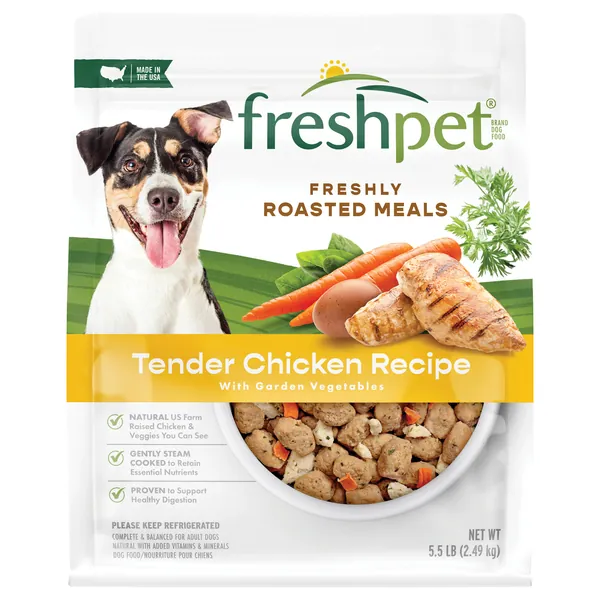
- Standard maximum retail size is usually 50 pounds for dry kibble across major national brands.
- Bulk sizes above 50 pounds often require purchasing directly from feed mills or specialized distributors.
- Large bags cost significantly less per pound but risk nutrient degradation if not consumed within four weeks.
- Proper storage requires transferring kibble to an airtight container immediately after opening to prevent rancidity.
- Always verify the best-by date before buying bulk, as large bags sit in warehouses longer than small ones.
- Calculate your dog’s actual monthly consumption to avoid waste when considering bulk purchasing.
What Is the Biggest Bag Size?
Most mainstream manufacturers cap their retail packaging at 50 pounds. This weight represents the practical limit for safe handling by a single person and aligns with standard shipping logistics for e-commerce platforms. Brands like Purina Pro Plan, Royal Canin, and Hill’s Science Diet consistently use this upper threshold for their adult maintenance formulas. Some warehouse clubs occasionally stock 55-pound bags as exclusive items, but availability is seasonal and inconsistent compared to the ubiquitous 50-pound standard found at pet specialty retailers.
Sourcing the Biggest Bag of Dog Food Over Fifty Pounds
Finding sacks larger than the retail standard requires looking beyond typical pet supply chains. Agricultural feed stores and regional mills sometimes produce 75 or 100-pound bags formulated for hunting dogs, sled teams, or breeding facilities. These products prioritize caloric density over premium ingredients and may lack the specific nutritional profiles of boutique brands. Buyers must contact local suppliers directly, as these oversized options rarely appear in online search results or national advertising campaigns aimed at average pet owners.
Commercial Kennel Options
Some manufacturers sell institutional packaging exclusively to licensed breeders or boarding facilities. These contracts allow access to larger volumes at reduced rates but require proof of business operation. Individual consumers can’t purchase these sizes without establishing a commercial account, making them inaccessible for most households seeking simple bulk savings.
Comparing Common Bulk Weights
| Bag Weight | Typical Price Range | Cost Per Pound | Best For |
|---|---|---|---|
| 30 lbs | $45 – $65 | $1.50 – $2.17 | Medium dogs, trial sizes |
| 40 lbs | $55 – $80 | $1.38 – $2.00 | Multiple small dogs |
| 50 lbs | $60 – $90 | $1.20 – $1.80 | Large breeds, best value |
| 75+ lbs | $70 – $100 | $0.93 – $1.33 | Working dogs, kennels |
Storage Requirements for Bulk Food
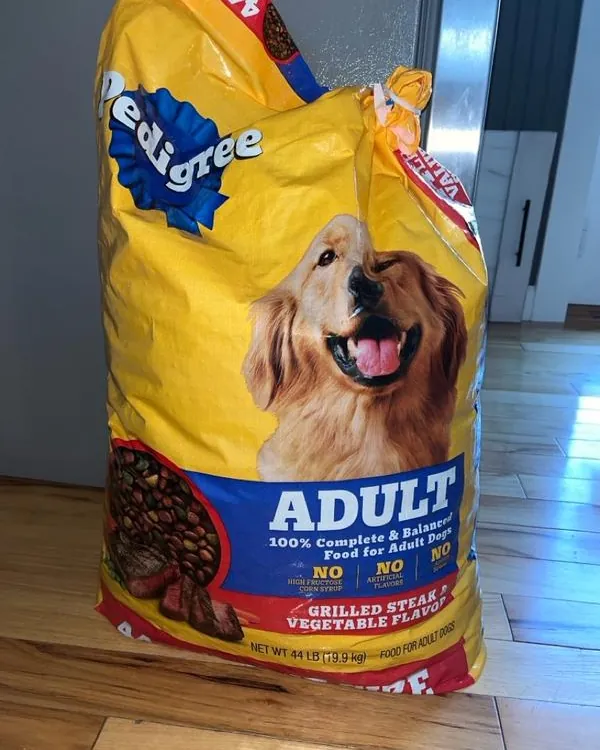
Buying the biggest bag necessitates rigorous storage protocols to maintain safety. Dry kibble contains fats that oxidize rapidly when exposed to air, light, or heat. The original packaging is designed for transport, not long-term preservation once breached. Pet owners must invest in food-grade bins with locking lids and desiccant packs to extend shelf life. Storing the entire unopened bag inside a sealed bin provides an extra barrier against pests and humidity fluctuations in garages or pantries.
Warning: Never pour new kibble on top of old crumbs in a storage container, as residual grease becomes rancid and contaminates fresh food, potentially causing gastrointestinal illness or nutrient deficiencies over time.
Calculating True Cost Savings
Larger bags offer lower unit prices but introduce hidden costs through potential spoilage. A 50-pound bag contains roughly 200 cups of food, which lasts a 70-pound dog approximately six weeks. If your dog eats less than one cup daily, the food may degrade before consumption finishes. Compare the price per pound against your realistic usage rate rather than assuming bigger always equals cheaper. Factor in the cost of proper storage equipment when calculating net savings from bulk purchases.
Nutritional Risks of Oversized Bags
Extended exposure to oxygen degrades vitamins and fatty acids in dry food. The FDA recommends checking labels carefully because nutrient loss occurs invisibly even when kibble appears normal. Dogs consuming stale bulk food may develop skin issues or immune suppression despite eating adequate calories. Smaller bags rotated frequently ensure consistent nutrition, whereas giant sacks risk delivering diminishing nutritional returns during the final third of the product’s lifespan.
Handling Safety and Ergonomics
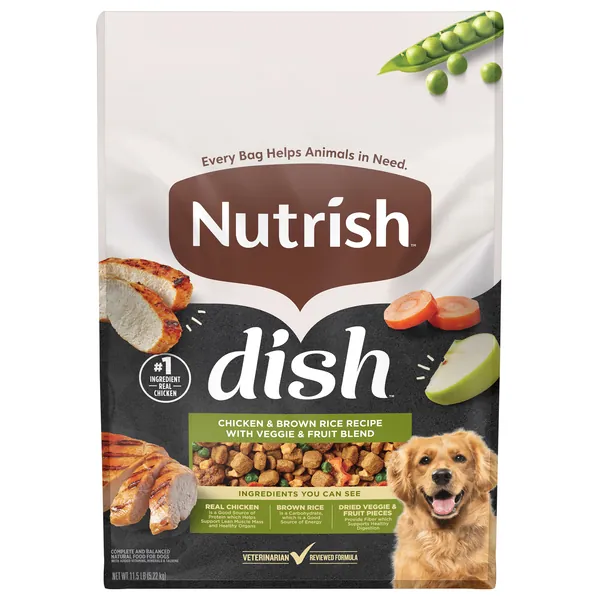
A 50-pound bag exceeds recommended lifting limits for many individuals. Repetitive strain injuries occur when owners hoist heavy sacks from car trunks or store shelves. Use a dolly or cart for transport whenever possible, and ask store employees for assistance with loading. Pouring directly from a massive bag creates spill hazards and makes portion control difficult. Decanting into smaller containers reduces physical strain and improves feeding accuracy while minimizing waste from torn packaging.
Frequently Asked Questions
Do warehouse clubs sell bigger bags?
Warehouse retailers like Costco or Sam’s Club typically stock 40 to 50-pound bags rather than oversized industrial sacks. Their inventory focuses on mainstream consumer brands optimized for household use. Availability varies by location and season, so call ahead to confirm stock before visiting. These clubs rarely carry agricultural-grade 100-pound bags intended for commercial kennels or working dog operations.
Can I freeze bulk dog food?
Freezing extends freshness but introduces moisture risks during thawing. Portion kibble into vacuum-sealed bags before freezing to prevent ice crystal formation and freezer burn. Thaw only what you need weekly in a sealed container to avoid condensation soaking the food. Frozen storage works best for high-fat diets prone to rancidity but adds significant logistical complexity compared to proper room-temperature storage methods.
Are generic bulk bags safe?
Unbranded or generic bulk foods from feed mills meet basic nutritional standards but lack the rigorous testing of premium brands. Ingredient sourcing transparency is often limited, making it difficult to verify quality or recall history. These options suit working dogs with high caloric needs but may not provide optimal nutrition for sedentary pets or those with sensitivities. Always request a guaranteed analysis label before purchasing unbranded bulk quantities.
How long does opened bulk food last?
Opened dry kibble maintains peak freshness for approximately four weeks when stored correctly in airtight conditions. Humidity and temperature accelerate fat oxidation regardless of bag size. Mark the opening date clearly on your storage container and monitor for off odors or discoloration. Discard any remaining food after thirty days to prevent nutritional degradation, even if the printed expiration date suggests longer viability.
Does bag size affect ingredient quality?
Manufacturers use identical recipes across all package sizes for the same product line. However, larger bags spend more time in distribution channels, potentially reducing remaining shelf life upon purchase. Premium ingredients like fish oils degrade faster than stable starches, making turnover speed critical. Verify production dates on bulk bags to ensure you receive fresh product rather than inventory approaching its expiration window.
Conclusion
Verify your dog’s current weight and daily intake using the feeding guide on your preferred brand’s website before committing to a large purchase, ensuring the volume aligns with actual consumption needs and prevents costly waste.