
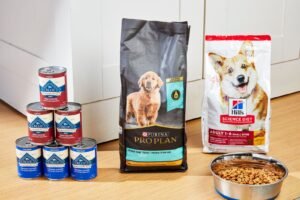
The right food for your dog is one that meets AAFCO nutrient profiles for its life stage, with a named meat as the first ingredient. If your dog has kidney issues, you’ll need a prescription formula instead. Size and age change what “complete” actually means on the label.
Best dog food by life stage
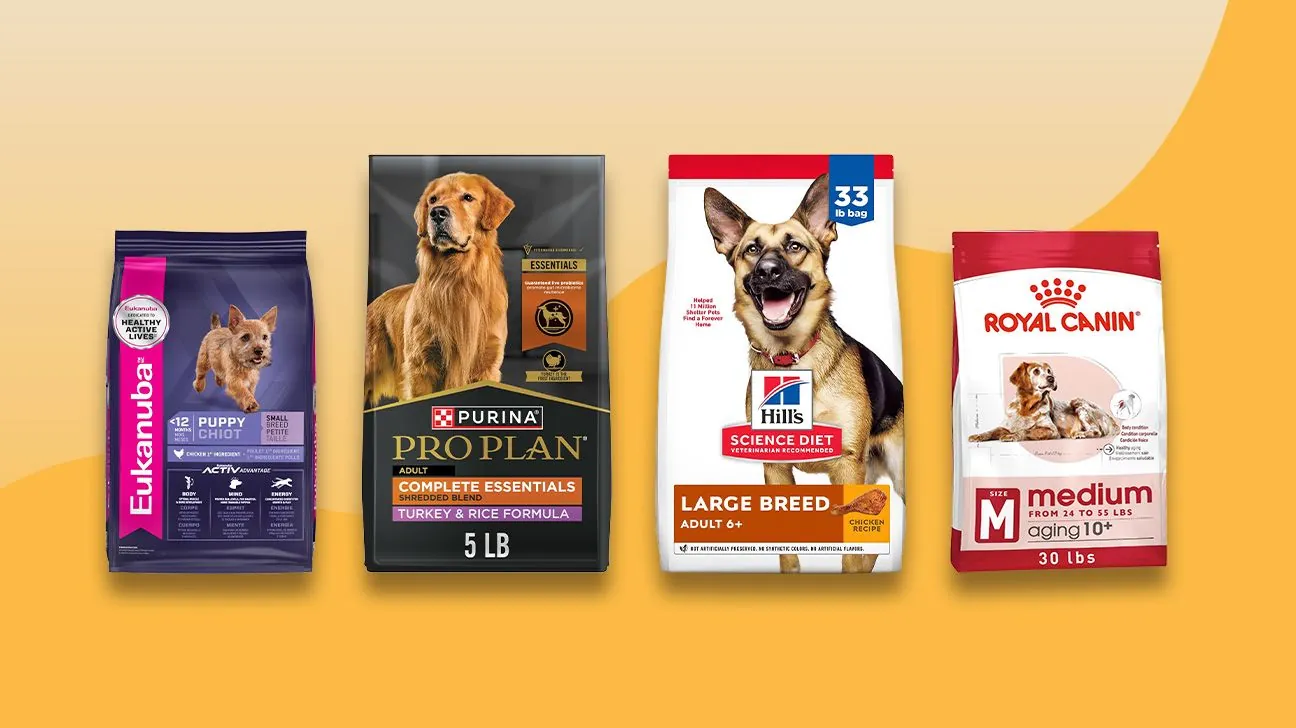
Matching the bag to your dog’s age comes first. A puppy needs more fat and protein than an adult dog does. Senior dogs often do better with fewer calories to keep their weight down.
- Puppies under 12 months need food labeled for growth, with at least 22% protein and 8% fat on a dry-matter basis.
- Adult dogs (1–7 years) should eat maintenance formulas meeting AAFCO minimums of 18% protein and 5% fat.
- Senior dogs over 7 years aren’t regulated by a single standard; look for lower calorie density and joint support like glucosamine.
- Large-breed puppies must eat a large-breed growth formula to control calcium levels and protect growing joints.
- Small breeds under 20 pounds burn energy faster, so they need calorie-dense kibble in smaller pieces they can chew.
- Check the AAFCO statement on the bag — it tells you if the food passed feeding trials or was formulated to meet nutrient profiles.
Why the AAFCO statement matters
The AAFCO statement printed on the bag is the only proof a food covers your dog’s actual nutritional needs. The Association of American Feed Control Officials sets the nutrient profiles every complete dog food must hit.
A bag saying “formulated to meet AAFCO nutrient profiles” means the recipe matches those numbers on paper. A stronger claim says the food passed actual animal feeding trials using AAFCO procedures.
Meat listed first sounds great until you realize fresh chicken is mostly water. Once cooked down, it might weigh less than the second ingredient.
When standard dog food isn’t enough
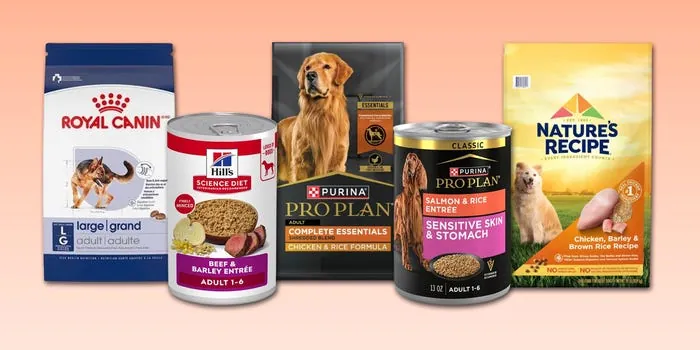
A healthy adult dog eats standard commercial food without trouble, but health conditions or unusual breeds change the rules entirely. If your dog has a medical issue, switch to a vet-recommended diet. Grain-free diets sound appealing, yet the FDA continues investigating links between certain grain-free foods and canine dilated cardiomyopathy.
| Situation | What changes | What to do instead |
|---|---|---|
| Kidney disease | Needs less phosphorus | Buy prescription renal diet |
| Food allergies | Reacts to common proteins | Try novel protein like venison |
| Obesity | Too many daily calories | Switch to weight-management formula |
| Large breed puppy | Grows too fast normally | Use large-breed growth formula |
| Pancreatitis | Can’t digest high fat | Choose ultra-low-fat food |
| Heart disease | Taurine levels matter | Ask vet about DCM risk |
How to read a dog food label
Reading the label takes two minutes and stops you from buying empty filler disguised as premium nutrition. Here’s how to evaluate a bag properly.
- Find the AAFCO statement on the back or side panel to confirm the food matches your dog’s specific life stage.
- Look for a named animal protein, like beef or salmon, within the first three ingredients rather than vague terms like “meat.”
- Ignore marketing words like “natural” or “premium” on the front, because they carry no legal nutritional definition for pet food.
- Compare protein and fat percentages only after converting canned and dry foods to a dry-matter basis using simple math.
- Check the calorie content per cup or can to ensure you aren’t accidentally overfeeding a less active indoor dog.
- Look up the manufacturer online to see if they employ full-time veterinary nutritionists and run quality control testing.
- Avoid foods listing generic “animal fat” or “meat by-products” without naming the source species, as quality varies wildly there.
- Note the expiration date and buy bags your dog will finish within six weeks of opening to prevent fat oxidation.
Dog food mistakes that cost money
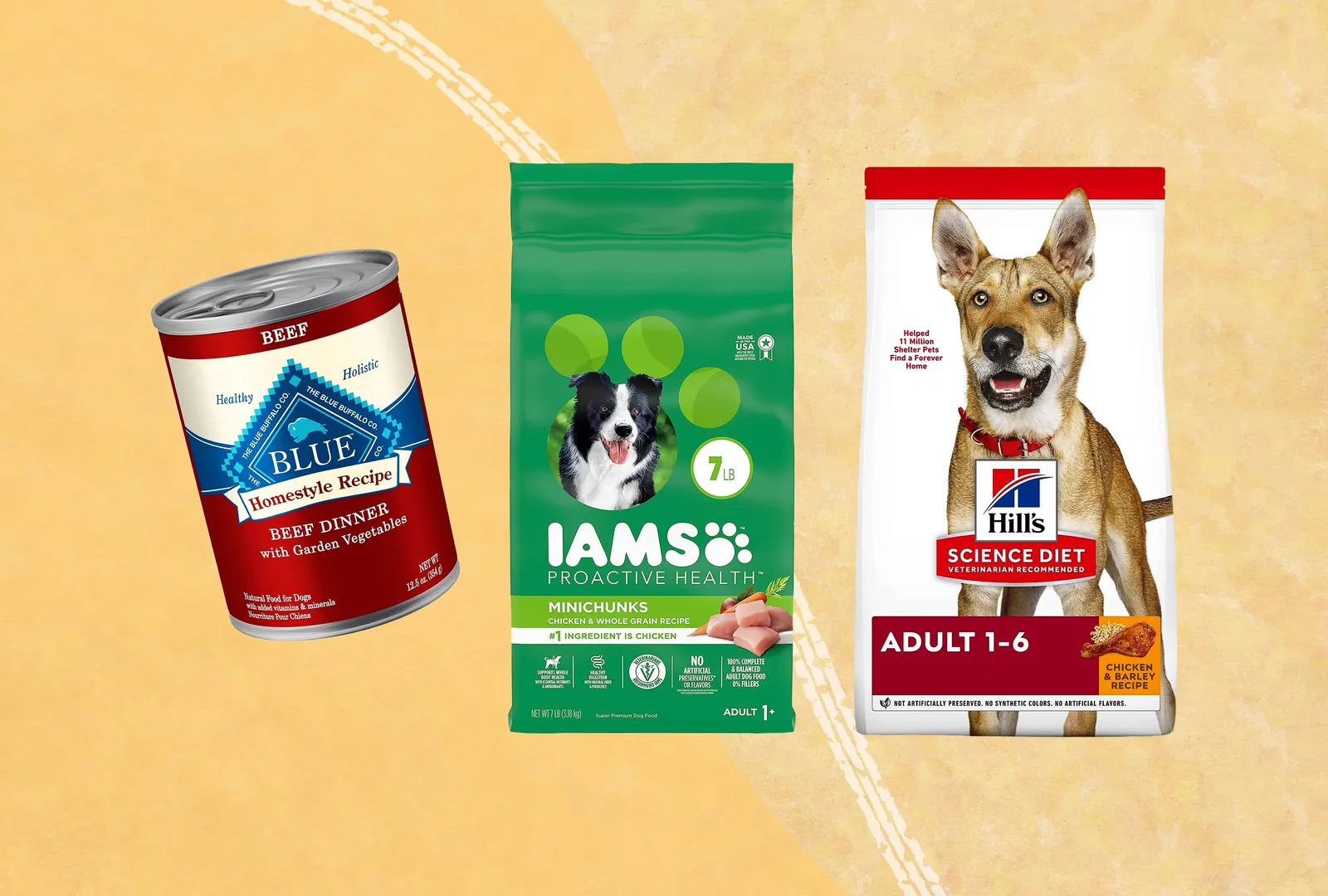
Buying the wrong food doesn’t just waste cash; it creates health problems that end up costing far more at the clinic.
- Mixing puppy and adult food randomly. Puppies fed adult maintenance food miss critical calcium and phosphorus ratios needed for bone development.
- Switching brands overnight. Sudden changes cause diarrhea and vomiting because gut bacteria need five to seven days to adapt to new ingredients.
- Trusting front-label pictures. A bag showing fresh salmon might contain mostly corn gluten meal once you read the actual ingredient weights.
- Overfeeding based on cup size. Calorie density varies by brand, so one cup of food A might pack twice the energy of food B.
- Ignoring recalls. Failing to check the FDA recall database means your dog could eat contaminated batches without you knowing.
The honest limit here is that your dog’s ideal daily calorie count depends on its exact metabolism, activity level and body condition score, which you can read off its ribs and waistline at home.
Frequently asked questions
Can I feed my dog raw meat safely?
Yes, but it carries bacterial risks for both of you. The CDC warns about Salmonella and Listeria spreading through raw handling.
Why is grain-free dog food controversial?
Grain-free diets sometimes replace grains with peas, lentils or potatoes. The FDA started investigating a potential link between these legume-heavy diets and heart disease called dilated cardiomyopathy in 2018.
How long does opened dry dog food last?
Opened kibble stays fresh for about four to six weeks if stored correctly. Keep it in the original bag inside an airtight container away from sunlight.
Is it safe to mix wet and dry food?
Yes, mixing them works well for hydration and palatability. Just calculate total daily calories from both sources so your dog doesn’t gain weight. Wet food spoils quickly outside the fridge, so toss any uneaten mixed bowls after two hours at room temperature.
What happens if I switch dog food too fast?
Your dog will likely get diarrhea, gas or vomiting. Their digestive enzymes and gut bacteria need time to adjust to new protein and fiber sources. Transition slowly over seven days by mixing 25% new food with 75% old food, increasing the new portion daily.
Does expensive dog food mean better quality?
Not always. Price often reflects marketing rather than nutritional science. Some mid-priced brands invest heavily in feeding trials and veterinary nutritionists. Always judge by the AAFCO statement and ingredient quality rather than the price tag on the shelf.
How much should I feed my dog daily?
Start with the bag’s feeding chart for an average-activity dog at target weight. Adjust portions by adding 10-20% for high activity or reducing for sedentary dogs, weighing monthly to maintain a visible waistline behind the ribs.
Conclusion
Your dog’s needs will shift as they grow older, so keep an eye on their energy and coat. If you notice dull fur or sudden weight changes, don’t wait for the annual checkup. Call your vet early to adjust their meals before small issues become bigger ones.