
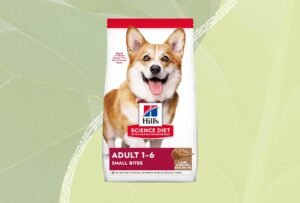
The best nutritional dog food is any product that meets the complete and balanced standards set by the Association of American Feed Control Officials. A food earns this label by meeting the protein, fat, and vitamin levels required for a dog’s life stage, verified by the nutritional adequacy statement.
The most important factor is confirming that the food matches your dog’s age and size. Manufacturers formulate diets differently for puppies, adults, and seniors to ensure they receive the right energy density. If you feed a puppy an adult formula, they may miss out on essential nutrients needed for healthy bone growth.
Avoid choosing diets based on marketing trends rather than veterinary science. Many owners prioritize buzzwords without checking for feeding trials.
Finding the best nutritional food
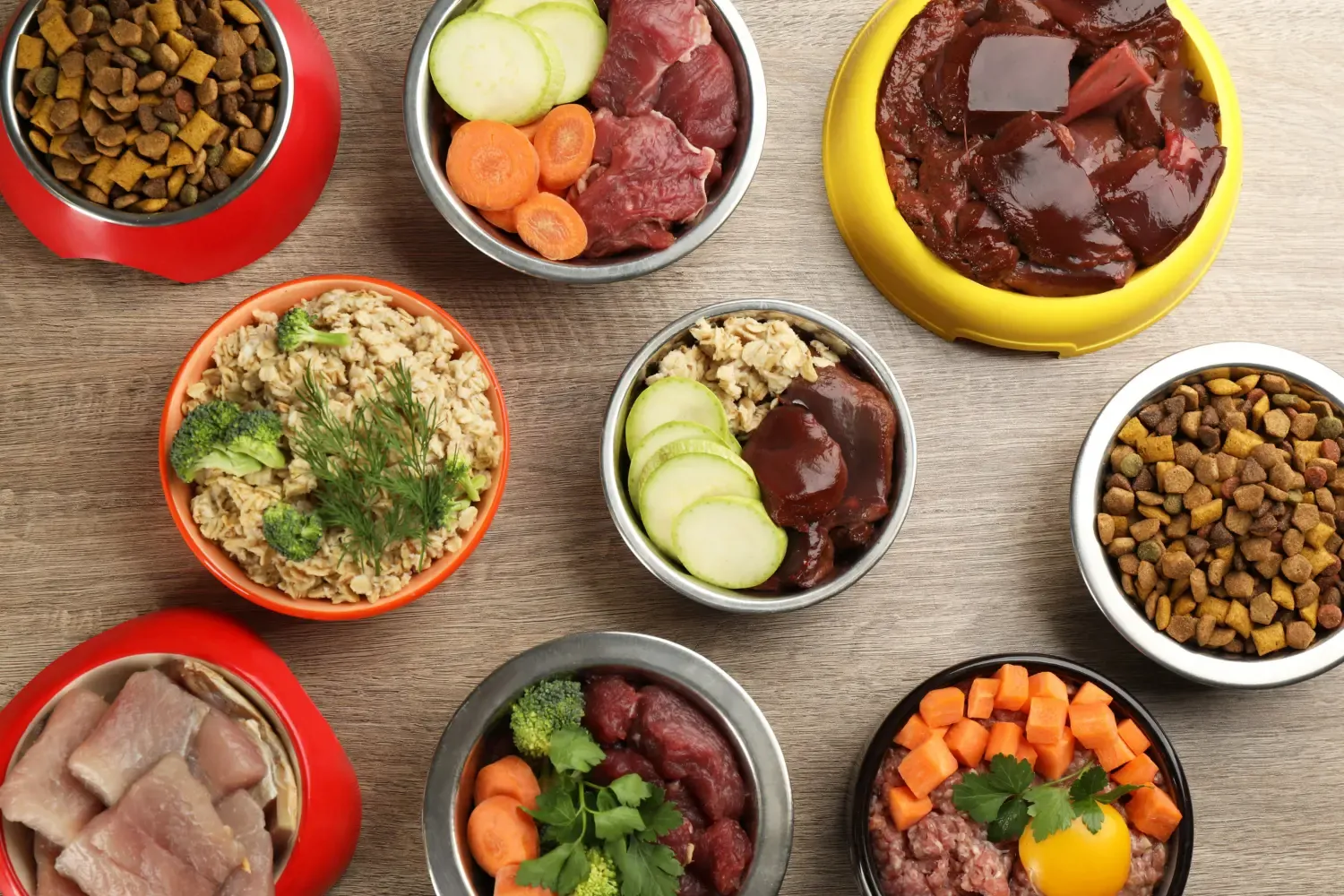
- Look for the AAFCO statement on the back of the package to ensure it offers complete and balanced nutrition for your dog’s life stage.
- Verify the specific life stage mentioned, such as “growth,” “adult maintenance,” or “all life stages,” to match your dog’s current age.
- Check the ingredient list to ensure a high-quality protein source like chicken, beef, or fish is listed as the first ingredient.
- Consult your veterinarian before switching brands, especially if your dog has known allergies or specific health conditions like kidney disease.
- Transition your dog to the new food over a period of 7 to 10 days by mixing increasing amounts of the new food with the old one.
- Monitor your dog for changes in stool quality or energy levels during the transition, as these are early signs of how they handle the new ingredients.
Tip: If your dog shows signs of an upset stomach, slow down the transition process by adding a smaller percentage of the new food for a few extra days.
Tip: Always store dry food in a cool, dry place inside its original bag to maintain freshness and prevent contamination.
Time required for dietary changes
Changing diets requires patience. Follow a gradual schedule to allow the gut microbiome to adapt.
| Situation | How long | What changes it | What to watch for |
|---|---|---|---|
| Healthy adult dog | 7 days | Sensitivity of gut | Loose stools |
| Puppy or senior | 10-14 days | Digestion speed | Loss of appetite |
| Dog with allergies | 14+ days | Severity of reaction | Itchy skin or ears |
If your dog is still having stomach issues after two weeks of a slow transition, stop the new food and contact your veterinarian to rule out an underlying intolerance.
Signs of a healthy diet

Observe your dog to see if a food is working. A healthy dog will have a shiny coat and clear eyes. They should maintain steady energy and weight.
The best test is a body condition score. You should feel ribs and see a waistline. Adjust portions if your dog’s weight changes.
Common errors in dog feeding
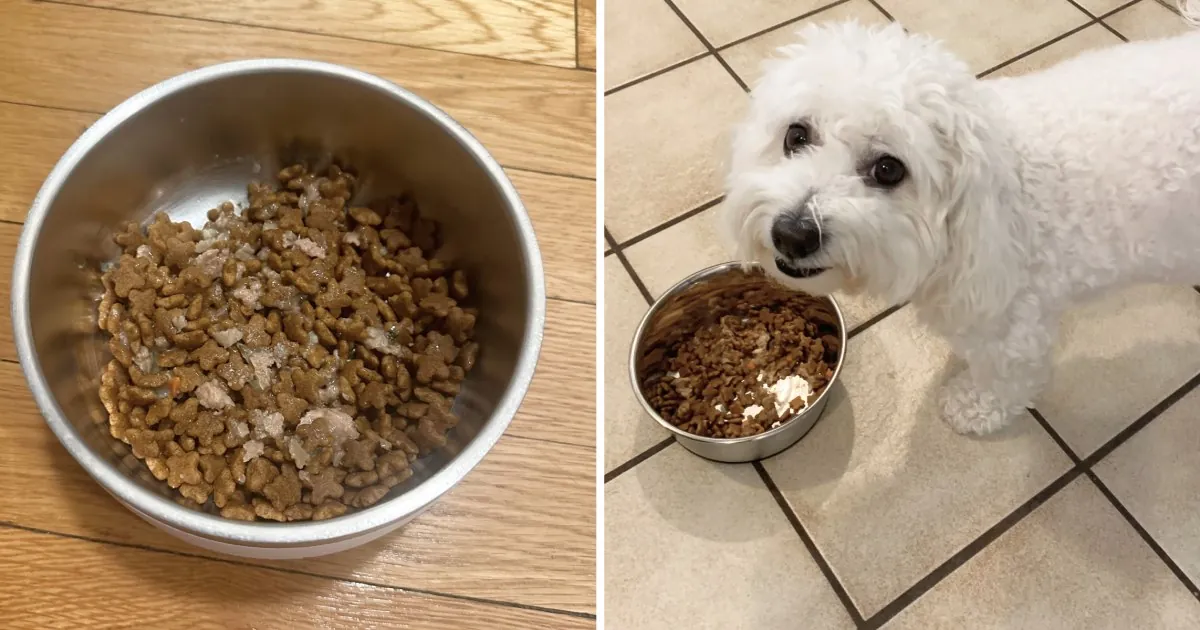
- Overfeeding based on labels: Many owners follow the maximum feeding range on the bag, which often leads to obesity in less active house dogs. Always start at the lower end of the recommended range and adjust based on your dog’s actual weight gain or loss.
- Ignoring calorie density: Different brands pack different amounts of energy into the same cup size, meaning a simple “one cup per day” rule can lead to significant over- or under-feeding. Use a standard measuring cup and check the kilocalories per cup listed on the packaging to ensure consistency.
- Frequent diet hopping: Constantly changing brands prevents you from identifying which food works best for your dog’s digestion. Stick to a high-quality, balanced formula for at least three months before deciding to switch to something else.
Frequently asked questions
Can I feed my dog human food as a main meal?
No, human food is rarely nutritionally complete for dogs and often lacks the specific balance of calcium, phosphorus, and vitamins they need. Feeding a dog a home-cooked diet requires a recipe formulated by a veterinary nutritionist to avoid dangerous deficiencies that can cause long-term health issues.
How do I know if my dog has a food allergy?
The most common signs of a food allergy are chronic skin irritation, frequent ear infections, and persistent paw licking. If you suspect an allergy, you must work with your veterinarian to conduct an elimination diet using a prescription hydrolyzed protein formula to identify the specific trigger ingredient.
Is grain-free food better for my dog?
No, there’s no scientific evidence that grain-free diets are healthier for the average dog. Unless your veterinarian has diagnosed a specific grain allergy, grains provide essential fiber, vitamins, and minerals that support healthy digestion and heart function in most canine breeds.
How much should I feed my puppy?
You should feed your puppy based on their projected adult weight and current age as listed on the puppy food packaging. Because puppies have rapid growth spurts, you must weigh them every two weeks and adjust their daily intake to ensure they don’t grow too quickly, which can stress their joints.
Does the price of dog food reflect its quality?
Not always, as higher prices often cover marketing costs rather than superior ingredients. The most important metric is that the food has a clear statement of nutritional adequacy on the label, regardless of whether it’s a premium boutique brand or a standard commercial product.
How often should I change my dog’s food?
You don’t need to change your dog’s food if they’re healthy, maintaining a good weight, and enjoying their meals. Keeping a dog on the same consistent, balanced diet is usually better for their digestive health than rotating brands frequently, which can cause unnecessary stomach upset.
Conclusion
Consistency is the best approach to canine nutrition. By selecting a product that meets established standards and monitoring your dog’s weight and energy, you provide the foundation for a long and healthy life. Always discuss major dietary changes with your veterinarian to ensure the plan fits your specific dog’s health history and activity level.