
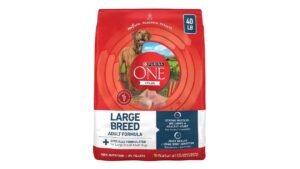
The largest commercially available bag of dog food typically weighs 50 pounds, with bulk options ranging from 40 to 55 pounds depending on the brand and retailer. Premium or specialized veterinary diets usually max out at 30 pounds due to density and cost, while standard maintenance formulas for adult dogs are the category most consistently sold in these maximum weight configurations at major pet supply stores and wholesale clubs.
Key Takeaways
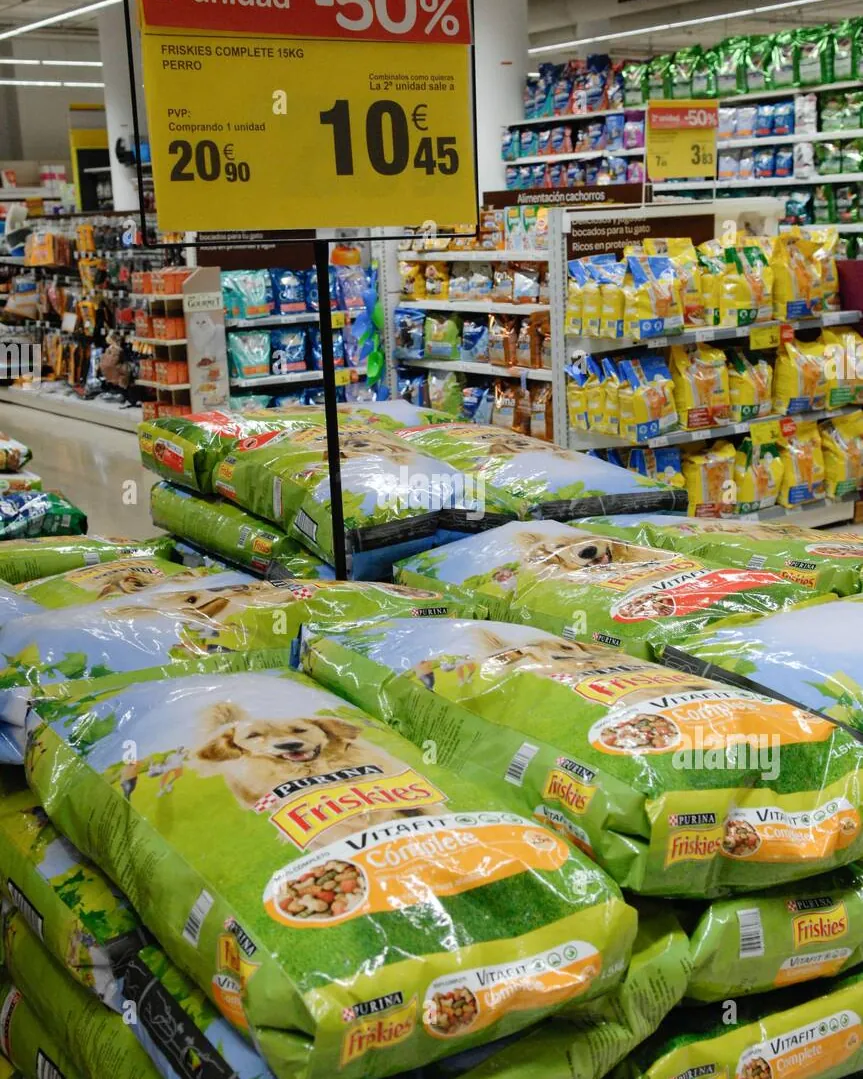
- Standard maximum bag size for mainstream kibble is 50 pounds across most national retailers.
- Bulk purchasing requires verifying expiration dates before buying to prevent nutrient degradation.
- Large bags offer significant cost savings per pound compared to smaller package sizes.
- Proper storage containers are mandatory to prevent rancidity and pest infestation after opening.
- Caloric density varies significantly between brands, making weight an unreliable measure of total servings.
- Retailer exclusives often carry larger sizes than independent pet specialty shops stock regularly.
Biggest Bag of Dog Food Sizes
When searching for the biggest bag of dog food, consumers will find that 50 pounds represents the practical industry ceiling for dry kibble packaging. Manufacturers design this specific weight limit based on ergonomic safety standards for lifting and the structural integrity of multi-layer paper and plastic bags. While some agricultural feed stores may carry heavier livestock-style bags, pet-specific nutrition adheres to this upper bound to minimize workplace injuries and consumer handling risks during transport and storage.
Common Weight Tiers
| Weight Class | Typical Brands | Best For |
|---|---|---|
| 50 Pounds | Purina Pro Plan, Blue Buffalo, Iams | Multi-dog homes, working dogs |
| 40 Pounds | Hill’s Science Diet, Royal Canin | Medium breeds, active adults |
| 30-35 Pounds | Orijen, Acana, Wellness Core | High-protein premium diets |
| 24-28 Pounds | Veterinary RX, Puppy Formulas | Specialized medical needs |
Why Size Limits Exist
Manufacturers cap bag weights primarily due to ergonomic safety regulations and material science limitations. A 50-pound bag already pushes the recommended single-person lift limit established by occupational health guidelines. Exceeding this weight increases liability for manufacturers and retailers regarding back injuries among employees and customers. Additionally, heavier bags experience higher failure rates during shipping, as the sheer mass creates stress points that compromise seams and lead to product loss or contamination during transit.
Cost Per Pound Analysis
Buying the biggest bag almost always delivers superior unit economics compared to smaller packages. The price difference between a 15-pound and 50-pound bag of the same formula can exceed thirty percent per pound. This savings stems from reduced packaging materials, lower relative shipping costs, and manufacturer incentives designed to lock customers into long-term brand loyalty. However, buyers must calculate actual cost per serving rather than just cost per pound, as caloric density varies dramatically between formulas.
Price Comparison Example
| Bag Size | Average Price | Cost Per Pound | Monthly Cost (60lb Dog) |
|---|---|---|---|
| 15 lb | $35.99 | $2.40 | $72.00 |
| 30 lb | $59.99 | $2.00 | $60.00 |
| 50 lb | $79.99 | $1.60 | $48.00 |
Storage Requirements for Bulk
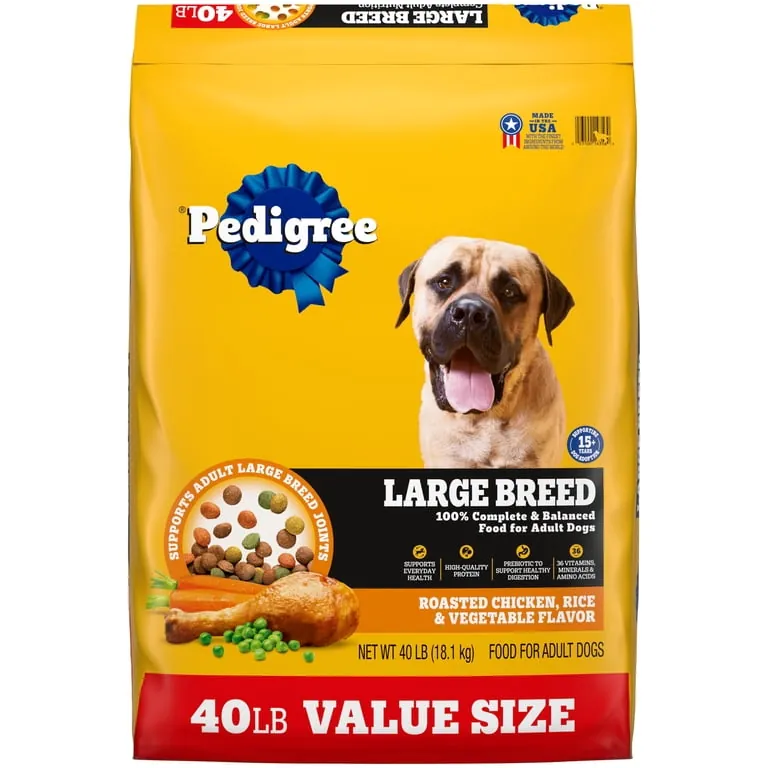
Purchasing large quantities necessitates dedicated airtight storage solutions to maintain freshness and nutritional value. Once opened, kibble exposed to air begins oxidizing within days, degrading fats and vitamins regardless of the printed expiration date. Buyers should invest in food-grade containers with gasket seals specifically designed for pet food storage. Keeping the original bag inside the container provides lot number traceability for recalls while protecting contents from moisture, humidity, and pantry pests like weevils or moths.
Warning: Never pour kibble directly into plastic bins without keeping the original bag, as residual oils accumulate in container pores and become rancid over time, contaminating fresh batches and potentially causing gastrointestinal illness in pets.
Caloric Density Variations
Weight doesn’t equal volume when comparing different kibble formulations. A 50-pound bag of high-calorie performance food contains significantly more energy than a 50-pound bag of weight management formula. Performance diets may pack 400 calories per cup, while diet foods might contain only 275 calories per cup. This means two identically sized bags could provide vastly different numbers of daily servings. Always check the metabolizable energy statement on the label to determine true value and feeding duration.
Where to Buy Large Bags
Availability of maximum-size bags depends heavily on retail channel specialization. Wholesale clubs like Costco and Sam’s Club frequently stock 50-pound bags of select formulas at competitive prices. Big-box pet retailers maintain broader selections of large-format premium brands compared to grocery stores. Independent pet shops rarely carry 50-pound bags due to limited storage space and lower turnover rates. Online retailers offer convenience but charge substantial freight fees for heavy items unless minimum order thresholds are met for free shipping.
Handling Safety Considerations
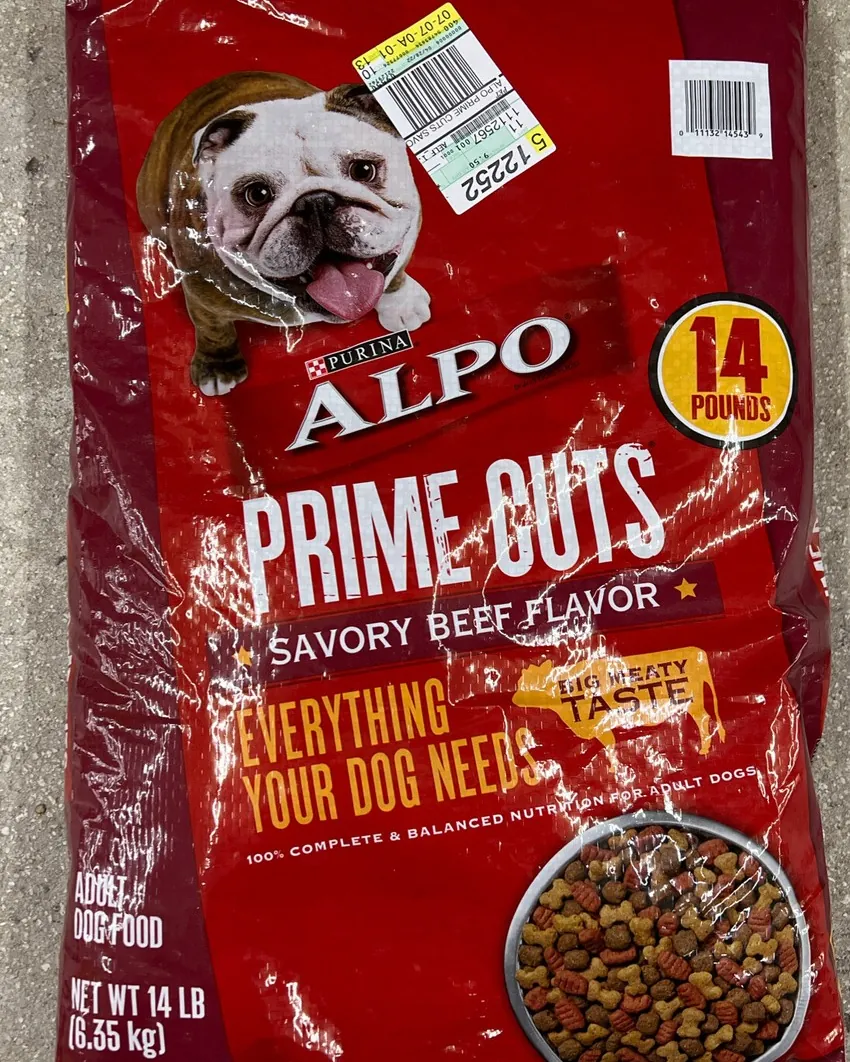
Lifting 50-pound bags requires proper body mechanics to prevent musculoskeletal injury. Consumers should use both hands, keep the load close to the body, and lift with legs rather than bending at the waist. Many retailers provide flatbed carts specifically for transporting heavy pet food to vehicles. For elderly individuals or those with physical limitations, splitting purchases into two 25-pound bags or utilizing delivery services eliminates injury risk entirely while still accessing preferred formulas.
Pro Tip: Ask store employees to place heavy bags directly into your vehicle trunk or cart rather than attempting self-service retrieval from bottom shelves where awkward positioning increases strain.
Frequently Asked Questions
Do 100-pound dog food bags exist?
No legitimate pet food manufacturer produces 100-pound bags for retail sale. Such weights violate occupational safety standards and exceed packaging material limits. Claims of 100-pound pet food bags typically indicate mislabeled livestock feed or fraudulent listings. The maximum safe commercial size remains 50 pounds for canine nutrition products sold through authorized channels.
Can I freeze extra kibble to preserve freshness?
Yes, freezing extends kibble shelf life significantly by halting oxidation and preventing rancidity. Portion unused food into vacuum-sealed bags before freezing to avoid repeated thaw cycles. Frozen kibble maintains quality for six months beyond the printed date. Thaw portions at room temperature for twenty-four hours before serving to prevent condensation and moisture accumulation that promotes mold growth.
Are bigger bags always cheaper per serving?
Generally yes, but exceptions exist during promotional periods or clearance events. Smaller bags sometimes receive deeper percentage discounts that temporarily beat bulk pricing. Always calculate cost per calorie rather than assuming larger equals cheaper. Subscribe-and-save programs on smaller bags occasionally match bulk pricing while offering fresher product rotation and reduced storage requirements for single-dog households.
How long does a 50-pound bag last?
Duration depends entirely on dog size and activity level. A 60-pound moderately active adult dog consumes approximately 3 cups daily, making a 50-pound bag last roughly six weeks. Two medium dogs might finish it in three weeks. Always reference the feeding guide on your specific formula, as caloric density varies significantly between brands and life-stage formulations.
What if my dog refuses the big bag flavor?
Purchase small sample bags first to confirm palatability before committing to bulk sizes. Many manufacturers offer satisfaction guarantees allowing returns of unopened large bags with receipt. Some retailers accept opened returns within thirty days if pets refuse the food. Mixing transition food gradually over seven days also helps determine acceptance before the old supply runs completely out.
Conclusion
Verify your current feeding amount against the new bag’s guidelines immediately upon purchase, as reformulations occur frequently and outdated assumptions about portion sizes can lead to unintended weight gain or nutritional deficiencies despite buying the correct bulk format.