

A big bag of dog food costs between $45 and $90 for a standard 30-pound size at most US retailers. Premium or prescription formulas often exceed $100, while basic grocery brands may drop to $30 during sales. The final price depends entirely on ingredient quality and where you shop.
Big bag dog food prices
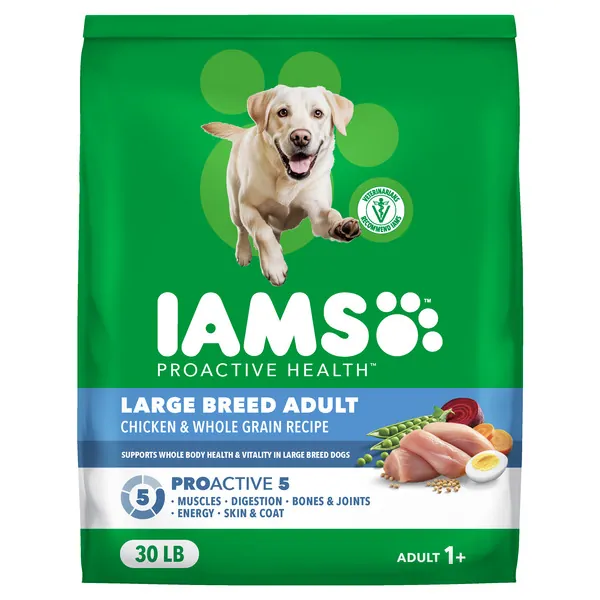
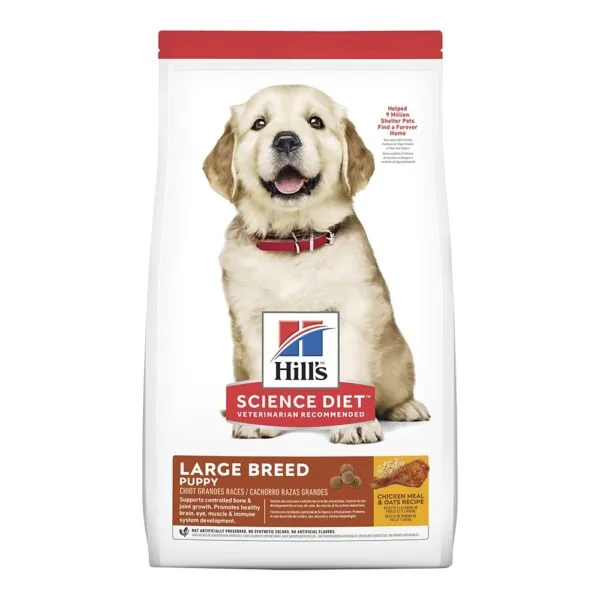
- Standard 30-pound bags typically range from $45 to $65 at major pet stores.
- Premium grain-free options usually cost $70 to $90 for the same weight.
- Veterinary prescription diets often exceed $100 per 25-to-30-pound bag.
- Budget grocery store brands can be found for $25 to $35 on sale.
- Subscription services like Chewy Autoship generally offer 5% to 10% off recurring orders.
- Price per pound is a better metric than total bag cost for comparing value.
Why dog food prices vary
Ingredient sourcing drives the base cost more than marketing or packaging ever will. Real meat listed as the first ingredient costs significantly more to procure than corn, wheat, or animal by-products. Manufacturers using named protein sources like deboned chicken or salmon must charge higher prices to maintain margins. You can verify nutritional adequacy through AAFCO nutrient profiles, which define minimum nutrient requirements for complete nutrition.
Manufacturing processes also create distinct price tiers between economy and premium lines. Brands investing in food safety testing and third-party validation pass those operational costs directly to consumers. Cheap bags often skip these rigorous quality assurance steps to keep shelf prices artificially low.
Supply chain logistics add another layer to the final retail tag. Heavy bags incur substantial freight charges that vary by region and fuel costs. Retailers with physical storefronts have higher overhead than online-only warehouses, affecting their pricing structure. Import tariffs on foreign-made ingredients can suddenly spike costs for specific international brands without warning.
When dog food costs change
| Situation | What changes | What to do instead |
|---|---|---|
| Prescription diet needed | Price doubles or triples | Ask vet for generic alternatives |
| Buying online vs store | Shipping fees apply | Use free shipping thresholds |
| Grain-free formula selected | Cost increases 30% | Compare grain-inclusive options |
| Organic certification required | Premium markup applies | Verify USDA organic seal |
| Bulk club membership active | Lower unit cost available | Calculate annual savings first |
How to find the best price
- Calculate the price per pound by dividing total cost by bag weight.
- Check manufacturer websites for printable coupons before visiting any store.
- Sign up for retailer newsletters to receive exclusive first-time buyer discounts.
- Compare prices across at least three local stores and one online platform.
- Look for “open bag” discounts at independent pet supply shops.
- Set up price alerts on shopping apps for your specific brand.
- Verify the expiration date is at least six months out when buying discounted stock.
- Factor in loyalty program points that reduce future purchase costs effectively.
Mistakes that waste money
- Buying the largest bag without checking expiration dates leads to spoiled food and total loss.
- Ignoring price-per-pound calculations makes expensive small bags look cheaper than bulk options.
- Switching brands solely for price causes digestive upset and potential vet bills later.
- Storing food improperly in original packaging allows fats to go rancid quickly.
- Overlooking subscription discounts means paying full retail price every single month.
Frequently asked questions
Can I buy big bags wholesale?
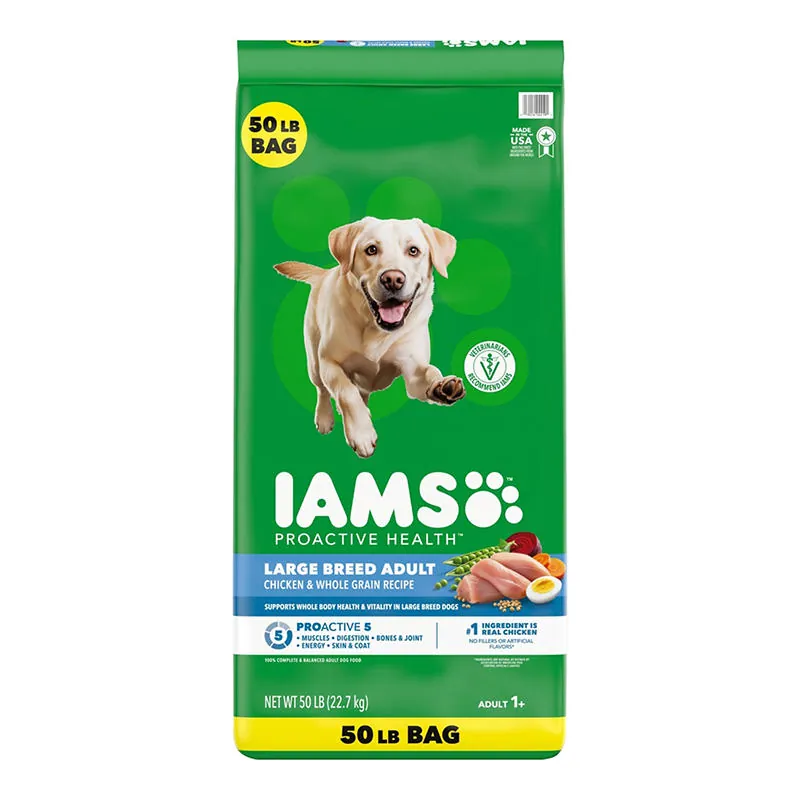
Yes, wholesale clubs sell 40-to-50-pound bags for $35 to $55 depending on brand availability. Membership fees must be factored into savings calculations to determine real value. Not all premium brands participate in wholesale programs, limiting selection significantly compared to specialty retailers.
Why is grain-free dog food expensive?
Grain-free formulas use costly alternatives like lentils, chickpeas, or sweet potatoes instead of cheap fillers. These ingredients require different processing methods that increase manufacturing time and energy usage. Market demand for limited-ingredient diets also allows manufacturers to maintain higher profit margins on these products.
How long does a big bag last?
A 30-pound bag lasts approximately four to six weeks for an average 50-pound adult dog eating two cups daily. Storage conditions and actual feeding amounts based on activity level change this timeline significantly. Always check the guaranteed analysis and feeding guide rather than guessing portions.
Is it safe to buy expired dog food?
No, expired kibble loses nutritional potency and develops harmful mold or bacterial growth over time. Fats become rancid after the best-by date, reducing nutritional value and potentially causing gastrointestinal distress. Retailers sometimes discount near-expiry stock heavily, but the health risks outweigh any temporary savings.
Does brand name affect nutrition quality?
Not necessarily, as both premium and budget brands must meet minimum federal nutrient standards. However, ingredient bioavailability and digestibility often differ significantly between price tiers. Read the guaranteed analysis and ingredient list rather than relying on marketing claims or brand reputation alone.
What happens if I switch cheap brands suddenly?
Sudden diet changes frequently cause vomiting, diarrhea, or appetite loss regardless of price point. Transition gradually over seven to ten days by mixing old and new food together. Budget formulas with different protein sources or fiber levels require even longer adjustment periods for sensitive dogs.
Are store brands worth the savings?
Store brands can provide adequate nutrition if they carry an AAFCO statement of nutritional adequacy. They often use similar base ingredients as national brands but with less expensive marketing and packaging. Verify the manufacturer’s reputation and recall history before committing to a private label long-term.
Conclusion
Your actual monthly spending depends on your dog’s specific caloric needs and your local market’s current inventory. Prices fluctuate seasonally and regionally, so track costs over several months rather than relying on a single data point. The cheapest option upfront rarely remains the most economical choice once health outcomes and waste are considered.