
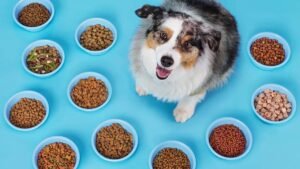
The best food for your pet is a complete and balanced diet that meets the standards set by the Association of American Feed Control Officials. Because there’s no single brand that’s objectively the most nutritious dog food for every animal, you must choose a recipe formulated for your dog’s specific life stage, size, and activity level.
Nutritional needs change as a dog ages. A puppy needs more protein and fat for growth, while a senior dog often needs fewer calories to prevent obesity. The most important factor is consistency in the nutrient profile provided by the manufacturer.
The biggest mistake people make is choosing food based on marketing buzzwords like “grain-free” or “human-grade” without checking the label for a nutritional adequacy statement. These terms aren’t regulated in the same way as the AAFCO nutrient profiles which ensure the food provides everything a dog needs to survive and thrive.
Finding the most nutritious food
Photo: www.consumerreports.org on Google
- Check the packaging for the AAFCO statement to confirm the food is “complete and balanced” for your dog’s life stage.
- Look for the manufacturer’s name and contact information, as reputable companies provide this for transparency.
- Compare the ingredient list to ensure a high-quality animal protein, such as chicken, beef, or fish, is listed as the first ingredient.
- Consult your veterinarian before changing your dog’s diet, especially if your pet has existing health conditions like allergies or kidney issues.
- Transition your dog to the new food slowly over 7 to 10 days by mixing increasing amounts of the new food into the old one to avoid stomach upset.
Tip: If your dog has a sensitive stomach, look for a limited-ingredient diet to reduce the risk of digestive reactions.
Time required for dietary changes
Changing your dog’s diet isn’t a process you should rush. Moving too fast can lead to vomiting or diarrhea, which creates stress for both you and your pet.
| Situation | Timeframe | What changes it | What to watch for |
|---|---|---|---|
| Standard transition | 7–10 days | Digestive sensitivity | Loose stools |
| Rapid change | 1–2 days | Emergency health needs | Vomiting |
| Puppy to adult | 14 days | Growth rate | Weight gain |
If your dog experiences persistent diarrhea for more than 48 hours after starting a new food, stop the change and contact your veterinarian immediately.
Signs of a healthy diet

You can tell if a food is working for your dog by observing their physical condition. A healthy dog has a shiny coat, clear eyes, and firm, consistent stools. They should maintain a steady weight that allows you to feel their ribs without seeing them protruding.
If you can easily see the ribs, your dog is likely underweight and needs more calories. Conversely, if you can’t feel the ribs through a light layer of fat, they’re overweight.
Monitor their energy levels after meals. If your dog seems lethargic or loses interest in eating, the food might not be the right fit. A common mistake is ignoring persistent itching or ear infections, which often signal a food allergy rather than a seasonal issue.
The final test is an annual blood panel and wellness exam performed by a licensed veterinarian. This provides objective data on whether the dog is receiving proper nutrition.
Mistakes that ruin nutrition
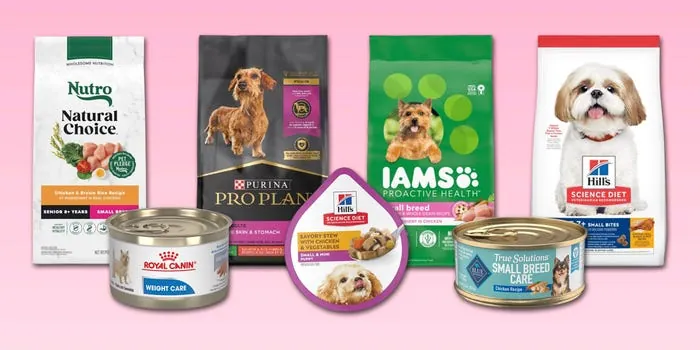
- Adding human food scraps: Adding table scraps dilutes the balanced nutrients in the commercial food, which can lead to obesity or mineral imbalances. Stick to the formulated diet and use only approved dog treats sparingly.
- Ignoring portion guidelines: Feeding your dog based on “feeling” rather than measuring cups leads to overfeeding, which is a leading cause of joint and heart issues in pets. Always use a standard measuring cup to follow the manufacturer’s feeding chart.
- Storing food improperly: Leaving the bag open causes fats to go rancid and vitamins to degrade, making the food less nutritious and unappealing. Keep the food in its original bag inside a sealed container in a cool, dry place.
Frequently Asked Questions
Can I feed my dog a raw diet?
Raw diets carry significant risks of bacterial contamination, such as Salmonella or Listeria, which can affect both the dog and your household. Most veterinarians recommend sticking to commercially prepared, cooked diets that have been tested for safety and nutritional balance to ensure your pet stays healthy.
Is grain-free food better for my dog?
No, grain-free food isn’t inherently more nutritious and isn’t recommended unless your dog has a medically diagnosed allergy to grains. Many grain-free diets rely on legumes or potatoes, which some research suggests may be linked to heart health issues in certain dog breeds.
How do I know if a brand is reputable?
A reputable brand employs veterinary nutritionists to formulate their recipes and conducts feeding trials to verify their products. You can find this information by calling the company directly or checking their website for detailed information about their quality control processes and research standards.
Does the price reflect the quality of the food?
Price isn’t always a perfect indicator of nutrition, but cheaper foods often use lower-quality fillers or inconsistent ingredients. Focus on brands with a history of rigorous safety testing rather than choosing based on the price tag alone.
What if my dog refuses to eat the new food?
If your dog refuses the new food, try mixing in a small amount of warm water or low-sodium bone broth to enhance the aroma. If the refusal continues for more than 24 hours, consult your vet to rule out dental pain or other underlying medical issues before trying a different brand.
Conclusion
Your dog’s needs will change as they grow older, so don’t be afraid to adjust their bowl as the years go by. It’s a good idea to schedule a quick chat with your vet before you switch brands. They’ll help you make sure your furry friend stays happy and healthy.