
Commercial dog food that meets the nutritional standards set by the Association of American Feed Officials is the best choice for your dog.
You should always look for a statement on the label that confirms the food has passed feeding trials or meets the nutrient profiles for your dog’s specific life stage. If your dog is a puppy, don’t feed it adult formula, as it lacks the higher protein and fat levels needed for growth.
Selecting and serving the right meal

- This ensures the recipe provides every nutrient your dog needs for its current age and size.
- Choose a formula based on your dog’s life stage, such as puppy, adult, or senior. Puppies require more calories for development, while seniors often need fewer calories to prevent weight gain.
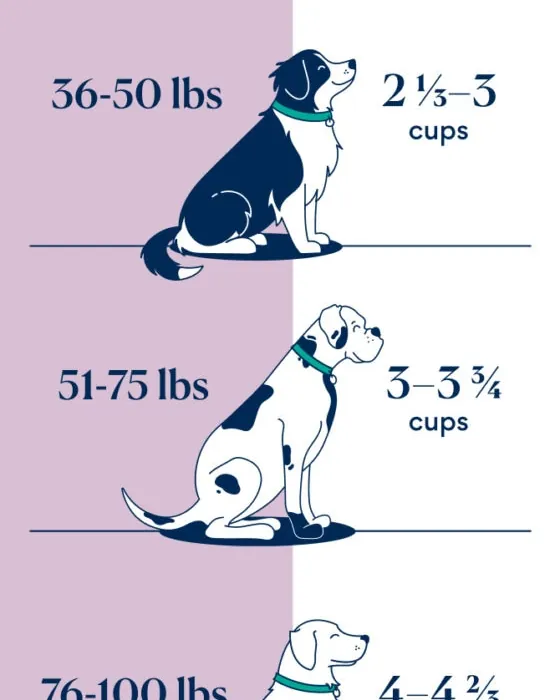
- Measure the food using a standard measuring cup rather than guessing the amount. Follow the feeding guide on the back of the package, which is usually based on your dog’s target body weight.
- Adjust the portion size if your dog gains or loses weight over time. If your dog is highly active, you might need to increase the amount slightly, but for a less active dog, you should decrease it to avoid obesity.
- Provide fresh, clean water in a bowl next to the food at all times. Hydration is just as important as nutrition for digestion and overall health.
Tip: Avoid feeding your dog table scraps, as these often contain too much fat or ingredients that are toxic to dogs, such as onions or garlic.
Tip: If you decide to change your dog’s food, do it slowly over 7 to 10 days by mixing the new food with the old one to avoid stomach upset.
Feeding guidelines and variations
The time it takes to feed your dog depends on their size and schedule, but the process of maintaining health is a daily commitment. Use the table below to understand how feeding needs change based on the dog’s life phase and activity level.
| Situation | Feeding Frequency | What changes it | What to watch for |
|---|---|---|---|
| Puppy (up to 6 months) | 3-4 times daily | Rapid growth needs | Bloating or lethargy |
| Adult (active) | 2 times daily | Daily exercise level | Maintaining ideal weight |
| Senior (less active) | 1-2 times daily | Slower metabolism | Joint health and weight |
If your dog consistently leaves food in the bowl, you’re likely overfeeding; reduce the portion by 10% and monitor their weight over the next two weeks.
Signs of a healthy diet
You can tell if a food is working by watching your dog’s physical condition and energy levels. A healthy dog has a shiny coat, clear eyes, and firm, consistent stools. If your dog has dry, itchy skin or chronic digestive issues, the current diet might not be the right fit.
The most reliable test is a body condition score, which you can perform by feeling your dog’s ribs; you should be able to feel them easily without a heavy layer of fat covering them. If you can’t feel the ribs, your dog is likely consuming too many calories.
Errors that impact canine health
- Feeding based on volume alone: Many owners ignore the caloric density of the specific brand, leading to unintended weight gain. Always check the calories per cup and adjust the amount according to your dog’s daily energy needs.
- Ignoring the life stage label: Feeding a puppy an adult diet can lead to bone development issues because the nutrient balance is incorrect. Always choose a product specifically formulated for the dog’s current age.
- Adding too many treats: Treats aren’t nutritionally balanced and should never make up more than 10% of your dog’s daily caloric intake. If you give treats, subtract those calories from the main meal to keep the dog at a healthy weight.
How much food should my dog eat?
The amount depends on your dog’s weight, age, and activity level, which you can find listed on the feeding chart on the back of your dog food bag. Start with the recommended portion for your dog’s current weight and adjust if they begin to gain or lose weight.
Is grain-free food better for dogs?
No, grain-free food isn’t inherently better unless your dog has been diagnosed with a specific grain allergy by a veterinarian. Most dogs thrive on a balanced diet that includes healthy grains, which provide essential fiber and energy for daily activities.
Can I feed my dog human food?
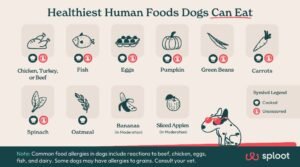
Yes, some human foods are safe, but they should only be occasional snacks and never a replacement for a balanced diet. Stick to plain, cooked proteins like chicken or vegetables like carrots, and always avoid toxic items like grapes, chocolate, onions, and xylitol.
How often should I feed my adult dog?
Most adult dogs do best with two meals per day, one in the morning and one in the evening. This schedule helps regulate their metabolism and keeps their hunger levels steady throughout the day, preventing the urge to beg for scraps between meals.
What happens if I switch dog food brands too quickly?
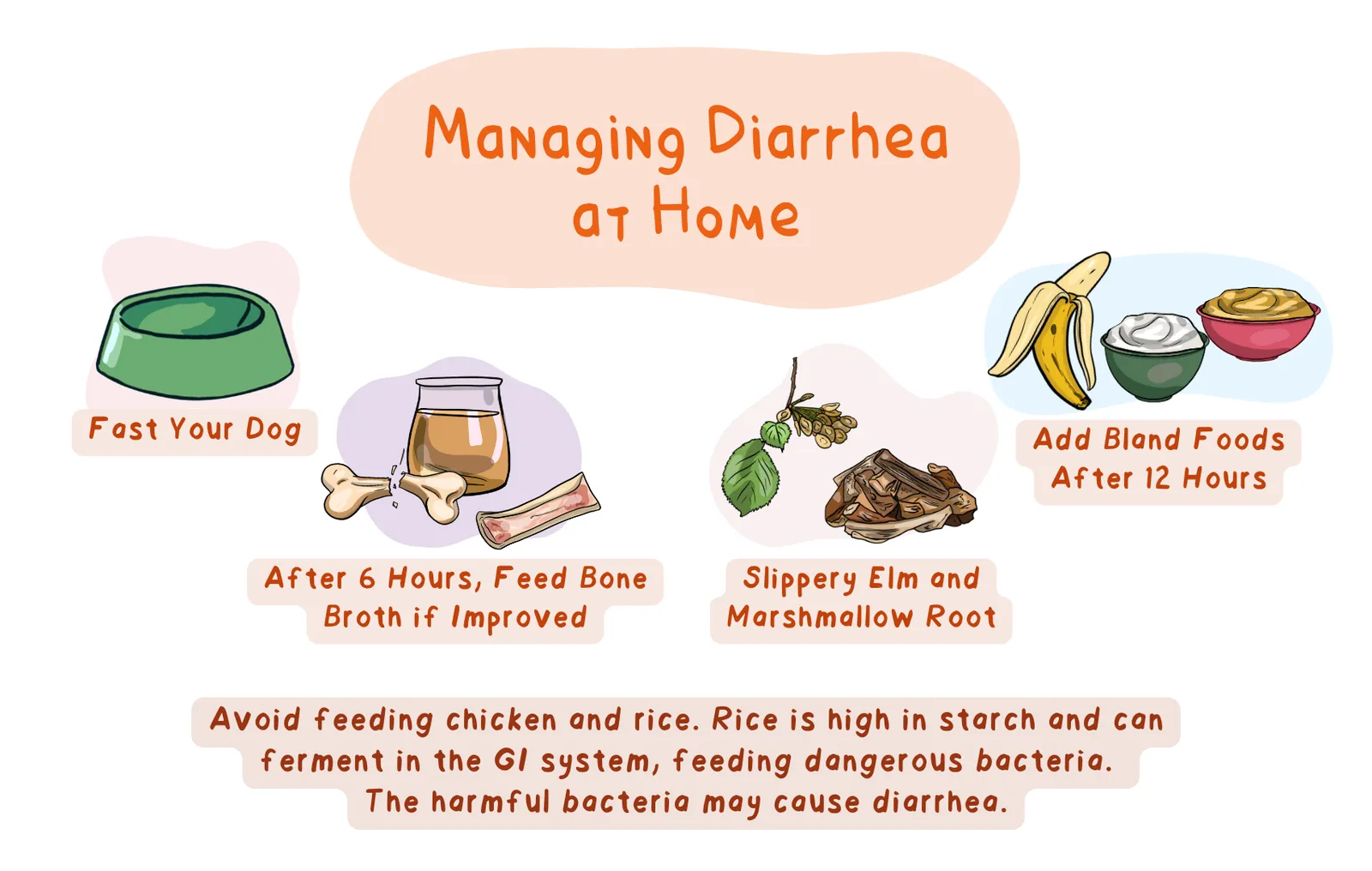
Switching brands instantly can cause significant digestive upset, including vomiting and diarrhea. Always transition to a new food gradually over a period of 7 to 10 days by slowly increasing the ratio of new food to old food until the switch is complete.
How do I know if my dog is allergic to their food?
Common signs of a food allergy include chronic ear infections, itchy skin, and recurring digestive problems like loose stools. If you notice these symptoms, consult your veterinarian to rule out other health issues and discuss a potential change to a limited-ingredient diet.
Choosing the right food is the most important decision you make for your pet’s long-term health. By selecting a high-quality, balanced product and monitoring your dog’s weight regularly, you ensure they stay active and happy for years to come. Always consult your veterinarian if you notice sudden changes in your dog’s appetite or body condition.