
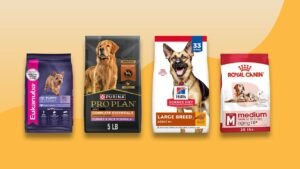
Selecting a balanced diet that meets AAFCO nutrient profiles helps you determine the best dog food for your pet. Most healthy dogs thrive on commercial options that prioritize high-quality protein sources.
Comparing common feeding methods
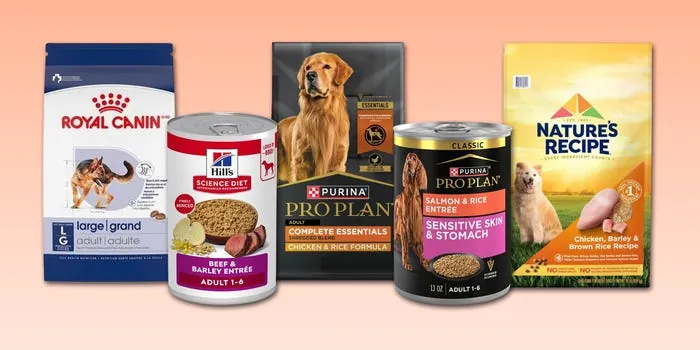
Choosing a feeding strategy depends on your budget, time, and your dog’s specific health requirements. The following table outlines the primary approaches available to owners.
| Method | How long | Effort | Cost | Best for |
|---|---|---|---|---|
| Kibble | Seconds | Low | Low | Busy owners |
| Wet food | Seconds | Low | Medium | Picky eaters |
| Home-cooked | Hours | High | High | Special diets |
Commercial dry kibble
Kibble is the most common choice for many households because it’s shelf-stable and easy to measure.
- Measure the portion size according to the weight guidelines on the bag.
- Pour the food into a clean stainless steel bowl.
- Provide fresh, clean water in a separate bowl at all times.
This method is convenient and often helps keep teeth cleaner than soft foods. Introduce new brands slowly over seven days to avoid digestive upset.
Canned wet food
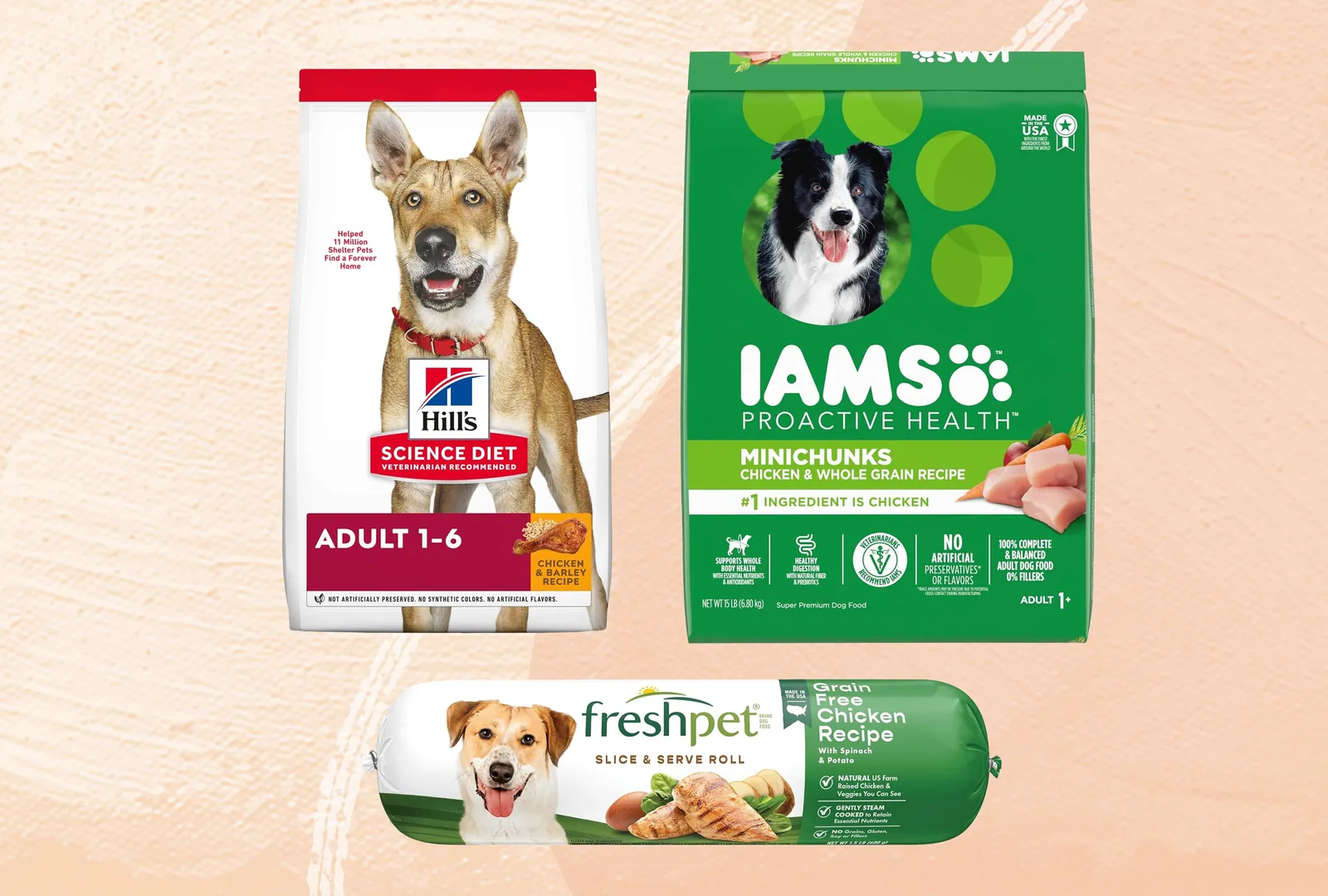
Wet food provides high moisture content, which can be beneficial for dogs that don’t drink enough water.
- Open the can and use a clean spoon to portion the food.
- Mix the food thoroughly to ensure even texture.
- Refrigerate any unused portion in a sealed container for up to 2 days.
Wet food is highly palatable and excellent for older dogs with dental issues. It’s more expensive than kibble and requires careful storage.
Preparing home-cooked meals
Cooking for your dog allows you to control exactly what goes into their bowl.
- Select a protein source like lean chicken or beef.
- Combine with cooked grains and dog-safe vegetables.
- Add a veterinary-approved mineral supplement to balance the recipe.
This method ensures your dog receives fresh ingredients without additives. Follow AAFCO nutrient profiles to ensure nutritional completeness.
Selecting the right food for your dog
When you’re in a hurry, high-quality dry kibble is the best choice because it’s fast and nutritionally balanced. If you want the best possible result regardless of the cost or time, work with a veterinary nutritionist to create a tailored, fresh diet plan.
Safety standards for every owner

Regardless of the method you choose, you must prioritize your dog’s long-term health. Before changing your dog’s diet, consult your veterinarian to discuss specific breed needs or existing health conditions.
Frequently asked questions
Can I feed my dog human food?
No, most human foods aren’t nutritionally balanced for dogs and some items like onions, garlic, and grapes are toxic and can cause serious illness or organ failure.
How much should I feed my dog?
You should feed your dog based on the calorie density of the specific food and their activity level, usually following the weight-based charts printed directly on the product packaging.
Is raw food safe for dogs?
No, the American Veterinary Medical Association warns that raw diets carry a high risk of bacterial contamination like Salmonella which can infect both the dog and the human household members.
How long does dry food stay fresh?
Dry food typically stays fresh for 4 to 6 weeks after opening if you keep the bag tightly sealed in a cool, dry place away from direct sunlight and humidity.
What happens if my dog eats too much?
Obesity is a common result of overfeeding, which puts extra stress on the joints and heart, so always measure portions precisely rather than using a “free-feeding” approach for your dog.
Is grain-free food better?
No, there’s currently no clinical evidence that grain-free diets are healthier for the average dog, and some studies suggest a link between these diets and heart issues in dogs.
How often should I feed my dog?
Most adult dogs should be fed twice daily to maintain steady energy levels, though you should adjust this frequency if your veterinarian suggests a different schedule for medical reasons.
The best approach is to select a brand that meets your budget while providing consistent, high-quality nutrition that your dog enjoys.
Conclusion
Your dog’s needs will change as they age, so don’t be afraid to adjust their bowl as the years go by. Keep a close eye on their energy levels and coat health. If you’re still unsure, it’s a great idea to chat with your vet during your next routine checkup.