
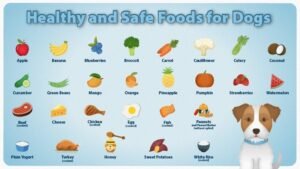
A balanced, commercial dog food that meets AAFCO nutrient profiles is what’s the best thing to feed a dog for complete health. You must choose a diet formulated for your dog’s specific life stage, such as puppy, adult, or senior, to ensure they get the right nutrients.
Essential nutritional requirements for dogs
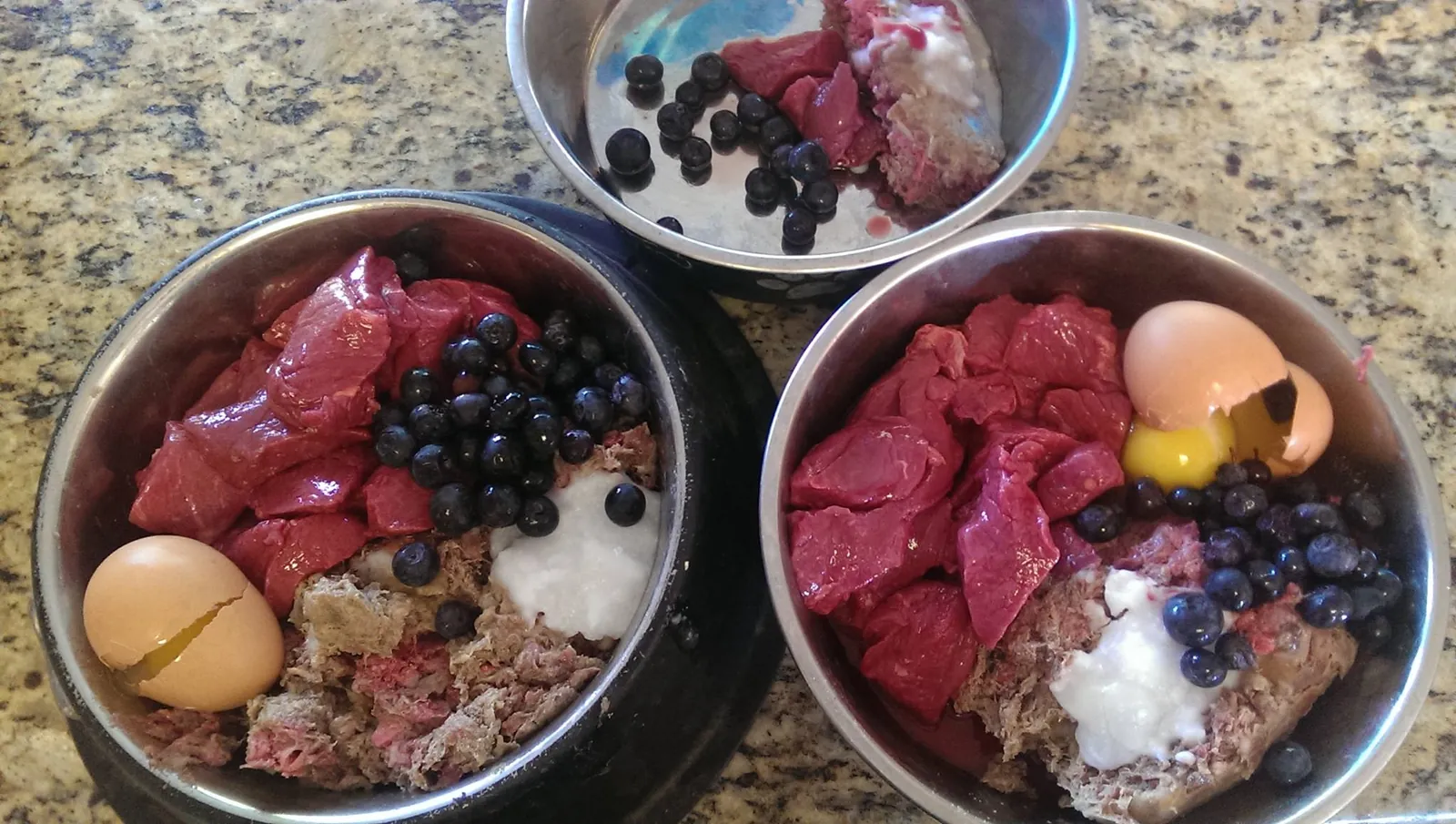
Feeding your dog correctly means providing a mix of proteins, fats, and carbohydrates that work together. Most dogs thrive on high-quality kibble or canned food that carries a statement of nutritional adequacy. If you see “complete and balanced” on the label, the food contains all necessary vitamins and minerals in the correct ratios.
- Look for a statement from the Association of American Feed Control Officials (AAFCO) on the bag.
- Protein should come from named animal sources like chicken, beef, or fish, rather than generic “meat meal.”
- Fat provides energy, but keep an eye on calories to prevent obesity in less active dogs.
- Fresh, clean water must be available 24 hours a day to support healthy digestion.
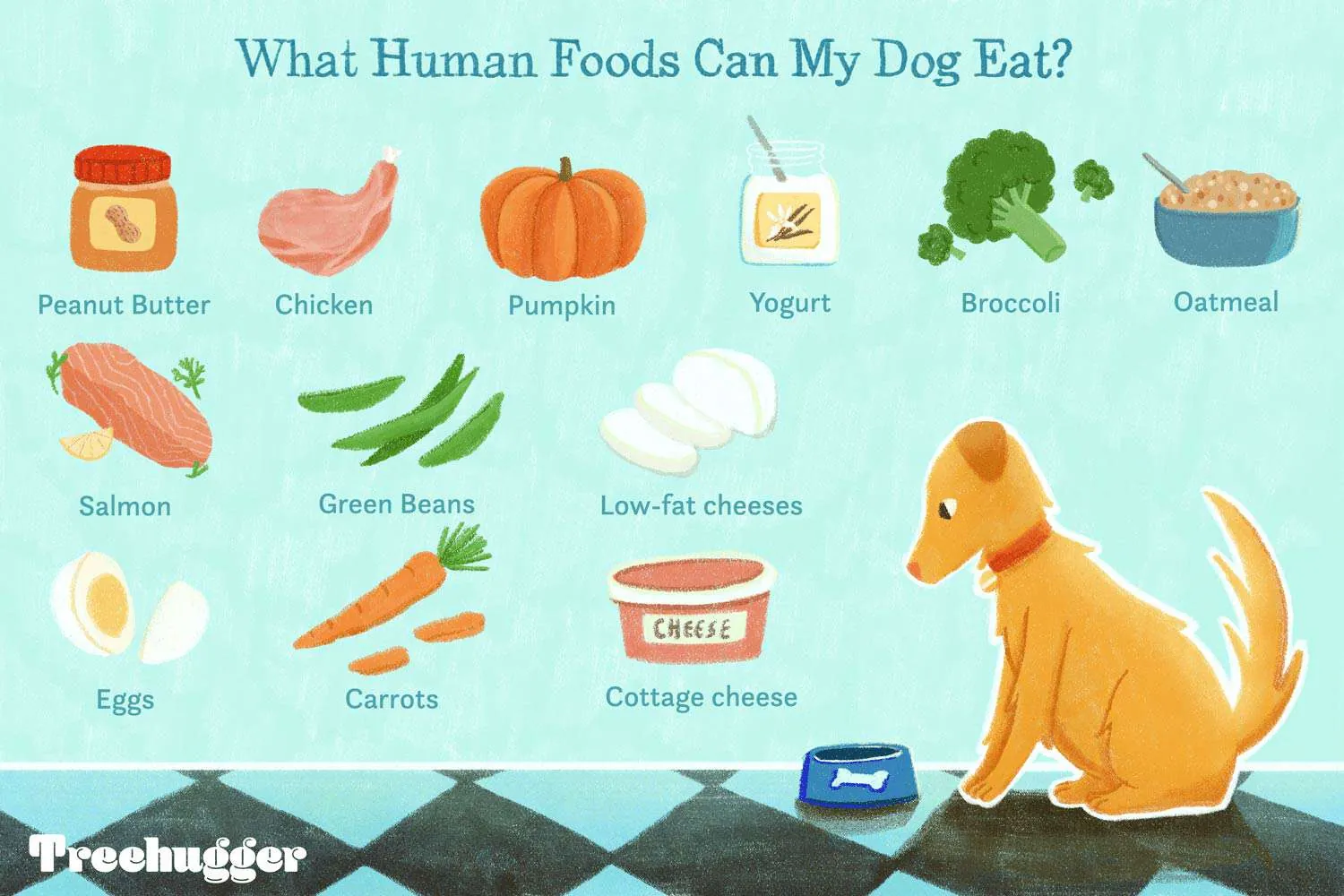
- Avoid feeding human leftovers, as many common foods like onions, garlic, and chocolate are toxic to dogs.
Why balanced commercial diets are superior
Commercial dog foods are created based on strict AAFCO nutrient profiles which define the minimum and maximum levels of vitamins, minerals, and amino acids for healthy dogs. These formulas are tested to ensure that the nutrients are bioavailable, meaning your dog can actually absorb and use them. Home-cooked meals often lack this precise balance, which can lead to long-term health issues like weak bones or organ strain if you don’t consult a veterinary nutritionist to create a custom recipe.
Commercial manufacturers also use precise cooking processes to destroy harmful bacteria like Salmonella. When you handle raw diets, you risk exposing your household to these pathogens. Unless you have a specific medical reason to avoid commercial options, sticking to regulated brands provides the safest and most consistent path for your pet’s daily nutrition.
When your dog needs a different diet
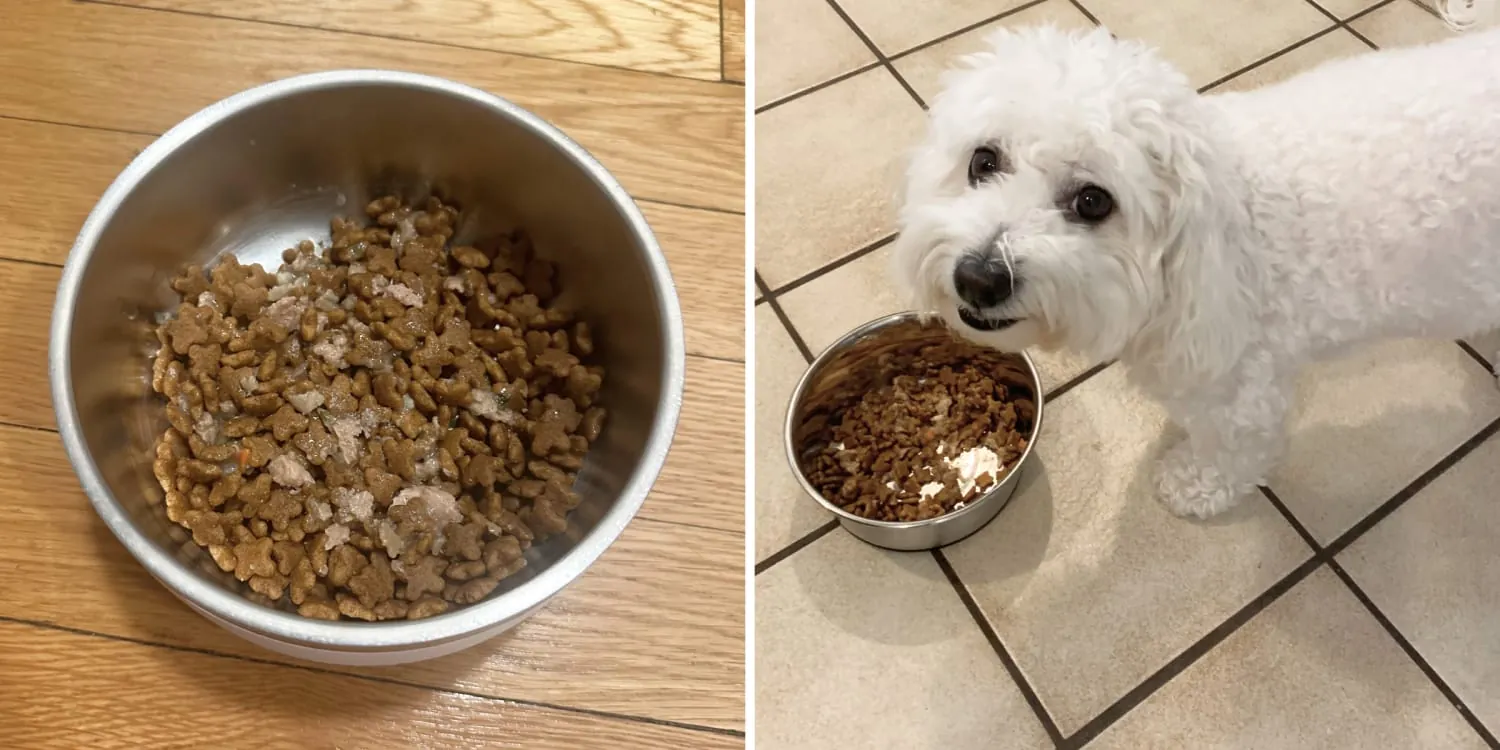
Not every dog does well on a standard, store-bought kibble. Some pets require specialized nutrition based on their unique health history or physical needs.
| Situation | What changes | What to do instead |
|---|---|---|
| Food allergies | Protein source | Use hydrolyzed or novel protein |
| Sensitive stomach | Fiber content | Choose easily digestible limited ingredients |
| High activity | Calorie density | Feed working dog performance formulas |
| Weight issues | Fat/Calorie count | Switch to weight management food |
| Kidney concerns | Phosphorus levels | Consult vet for prescription diet |
Steps to feed your dog correctly
- Read the weight-based feeding guide on the back of your dog food bag to determine the starting portion for your pet.
- Use a standard measuring cup for every meal rather than guessing, as small extra amounts lead to rapid weight gain over time.
- Split the total daily amount into two equal meals to help your dog feel full longer and manage their blood sugar levels.
- Monitor your dog’s body condition; if you can’t feel their ribs under a thin layer of fat, reduce the portion by 10%.
- Introduce any new food gradually over 7 to 10 days by mixing it with the old food to prevent digestive upset.
- Clean your dog’s food and water bowls with hot, soapy water every day to stop the buildup of harmful bacteria and slime.
Common feeding mistakes to avoid
- Feeding your dog based on their begging behavior causes them to consume far more calories than they actually need.
- Changing brands or protein sources without a slow transition often leads to vomiting, diarrhea, or significant gas.
- Using “light” or “senior” formulas for a growing puppy prevents them from getting the nutrients they need for bone development.
- Neglecting to account for the calories in treats leads to hidden weight gain that you might not notice for months.
Frequently asked questions
Can I feed my dog table scraps?
You should avoid feeding table scraps because many human foods contain high levels of salt, sugar, or ingredients that are dangerous to dogs. Stick to high-quality dog treats to ensure your pet stays within their daily calorie limit and avoids accidental poisoning.
How often should I feed my dog?
Most adult dogs should be fed twice a day to maintain steady energy levels and digestion. If you have a puppy, they generally require three to four meals per day until they’re about six months old to support their rapid growth.
Is grain-free food better for dogs?
Grain-free food isn’t better for most dogs unless they have a medically diagnosed allergy to specific grains. Grains provide essential energy and nutrients, and many dogs digest them very efficiently as part of a complete and balanced daily diet.
How much water does my dog need?
Your dog needs about one ounce of water per pound of body weight each day. This amount varies based on the temperature, your dog’s activity level, and whether they eat dry kibble or wet, canned food, which contains more moisture.
Does it matter if I switch food brands?
It matters because every brand uses different nutrient profiles and ingredient qualities. If you switch brands, you must do it slowly over 10 days to avoid upsetting your dog’s stomach, and ensure the new brand is appropriate for their life stage.
Why does my dog eat grass?
Your dog might eat grass due to boredom, an instinctual behavior, or a need for more fiber in their diet. While it’s usually harmless, you should check with your vet if it happens suddenly or if your dog shows signs of illness.
How do I know if my dog is overweight?
You know your dog is overweight if you can’t easily feel their ribs or if they have lost their “waist” when viewed from above. If you’re unsure, ask your veterinarian to perform a body condition score during your next routine visit.
Conclusion
Providing your dog with a consistent, measured diet that matches their life stage is the most reliable way to ensure a long and healthy life. Always prioritize food that meets recognized nutritional standards and consult your vet before making major changes to their routine.