
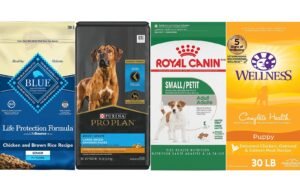
Fresh food is generally the most nutritionally complete choice for your pet, though determining the best dog food depends on your budget and your dog’s specific health needs. High-quality dry kibble remains the most practical and affordable option for most owners.
Which dog food is better
Photo: www.businessinsider.com on Google
Choosing between different feeding styles involves balancing convenience, cost, and the specific nutritional requirements of your animal. The table below outlines how these common options compare based on standard market expectations for adult maintenance.
| Method | How long | Effort | Cost | Best for |
|---|---|---|---|---|
| Dry kibble | Seconds | Low | Low | Busy owners |
| Wet food | Seconds | Low | Medium | Picky eaters |
| Fresh food | Minutes | High | High | Sensitive dogs |
| Raw diet | Minutes | High | High | Performance dogs |
If you have a tight budget, dry kibble is the standard choice. If your dog has severe allergies, fresh, human-grade ingredients often provide the best control over what they consume.
Dry kibble convenience
Dry food is the most common way to feed a dog because it’s shelf-stable and easy to measure.
- Use a standard measuring cup to portion out the amount recommended on the package based on your dog’s weight.
- Store the bag in a cool, dry place and seal it tightly after every use to prevent fat oxidation.
This method is excellent for multi-dog households and those who need to leave food out for longer periods. Its main weakness is the lack of moisture compared to wet or fresh diets.
Wet food for hydration

Wet food is often more palatable for dogs that are picky or have dental issues that make chewing hard kibble difficult.
- Verify the label identifies the product as “complete and balanced” for your dog’s specific age.
- Portion the food based on the calorie count per can; one 13-ounce can may contain 400 to 500 calories.
- Refrigerate any unused portion in an airtight container and discard it if it sits in the fridge for more than 2 days.
Wet food is highly digestible and provides extra hydration, which is helpful for dogs that don’t drink enough water. Its main weakness is the higher cost and the need for prompt refrigeration once opened.
Fresh and frozen diets
Fresh food diets use whole ingredients like meat, vegetables, and grains that are lightly cooked or served raw.
- Consult your veterinarian before starting this diet to ensure it’s balanced for your dog’s specific health profile.
- Defrost the required daily portion in your refrigerator overnight, never on the kitchen counter.
- Serve the food immediately and wash the bowl with hot, soapy water after every meal to prevent bacterial growth.
These diets are often free from heavy processing and fillers, which can improve coat health and energy levels. The main weakness is the significant preparation time and the high cost compared to commercial dry or wet products.
Choosing your feeding strategy
Choosing the right path requires looking at your own lifestyle and your dog’s physical response to the food.
- When you’re in a hurry, dry kibble is the clear winner because it requires no prep and stores easily.
- When you’re doing this for the first time, start with a high-quality dry kibble to establish a stable baseline for your dog’s health.
- When you want the best possible result whatever it takes, a vet-approved fresh food diet offers the highest nutrient density.
The trade-off is simple: you either pay in money for convenience, or you pay in time to prepare fresh, high-quality meals yourself.
Rules for safe feeding
Photo: www.businessinsider.com on Google
Regardless of the method you choose, you must monitor your dog’s body condition score to adjust portions. If your dog is gaining weight, you’re likely overfeeding; if they’re losing weight or have low energy, they may need more calories.
Always introduce a new food slowly over 7 to 10 days by mixing it with the old food to avoid digestive upset. If you’re ever unsure about a specific brand or a health symptom, stop the new food and contact your veterinarian immediately. They’re the only ones who can provide guidance tailored to your pet’s medical history.
Frequently asked questions
Can I mix dry and wet food?
Yes, you can mix dry and wet food to improve palatability while keeping costs lower than an all-wet diet. Ensure you adjust the total daily calories to prevent weight gain, as mixing often leads to overfeeding.
How long does dry food stay fresh?
Dry food typically stays fresh for 4 to 6 weeks after opening if stored in a cool, dry, and airtight container. Check the “best by” date on the packaging to ensure the fats haven’t gone rancid.
Why does my dog have gas after eating?
Gas is often caused by a sudden change in diet or an ingredient your dog can’t digest well. Introduce new foods slowly over one week to help your dog’s gut bacteria adjust to the change.
Is it safe to feed raw meat?
Raw meat carries a risk of Salmonella or Listeria contamination for both the dog and the human handlers. If you choose this path, you must handle the food with strict hygiene practices to prevent illness.
How much should I feed my dog?
You should feed your dog the exact gram or calorie amount listed on the bag for their specific weight and activity level. If your dog is highly active, they may require 10% to 20% more calories than a sedentary dog of the same size.
Conclusion
Ultimately, your dog’s health is a journey you’re taking together. Don’t feel pressured to pick the priciest bag on the shelf if it doesn’t fit your lifestyle. Instead, talk to your vet about your pup’s unique needs at your next visit. You’ll find the perfect balance that keeps them happy and thriving.