
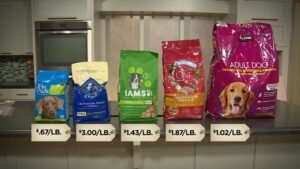
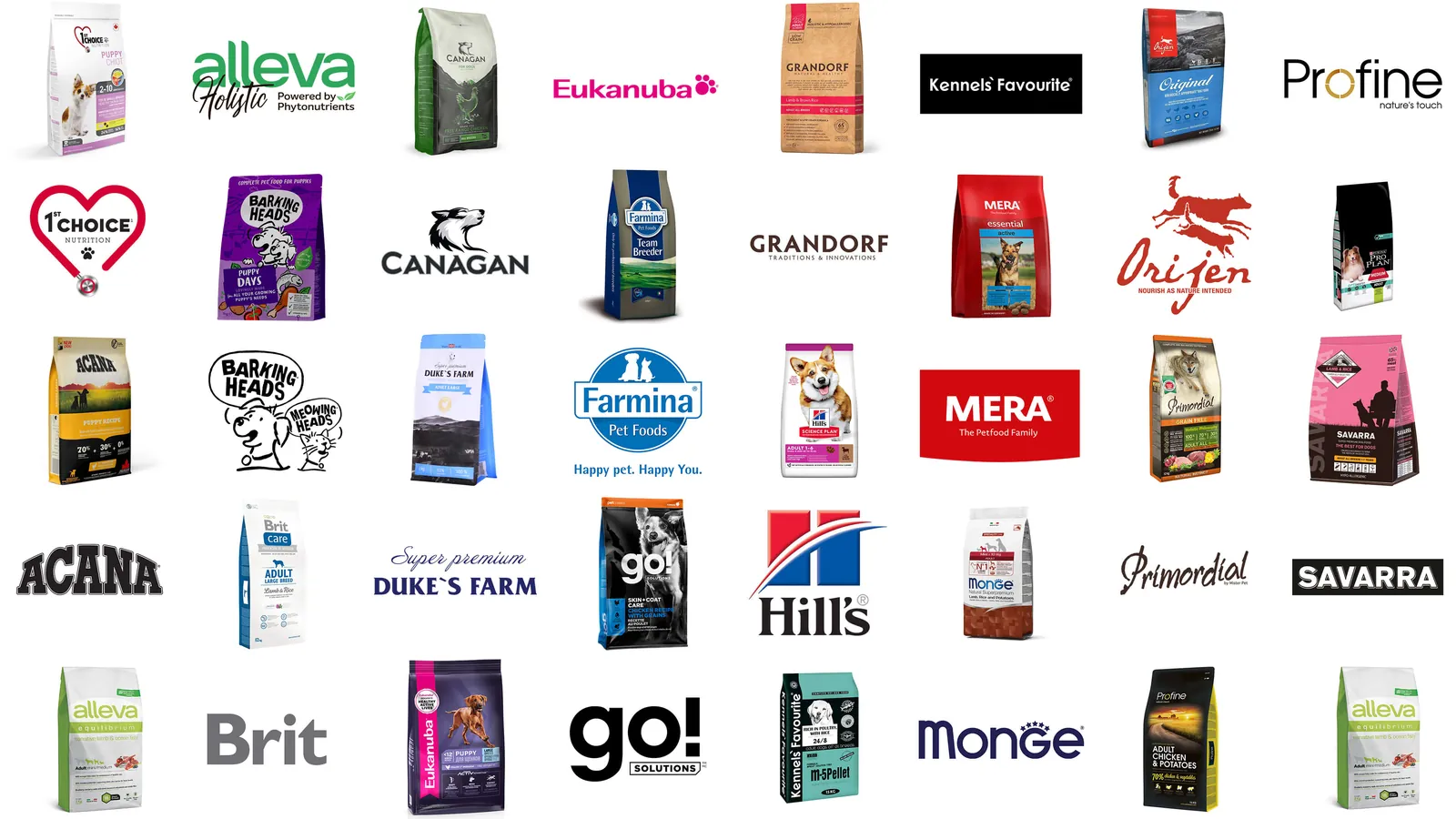
There are over 3,000 dog food brands sold in the United States today. To narrow your search, check the label for an AAFCO nutritional adequacy statement instead of counting logos.
How many dog food brands are out there
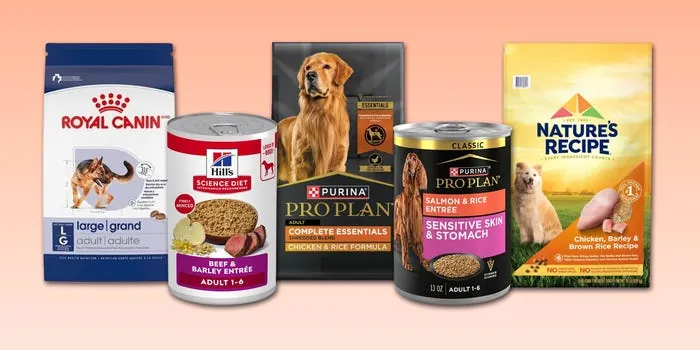
- Over 3,000 distinct dog food brands currently sell products in the US market.
- A single parent company often owns five or more separate brand names on store shelves.
- The total count shifts monthly as small startups launch and older labels shut down.
- An AAFCO statement on the bag matters far more than the total number of options available.
- Private store labels account for hundreds of these brands, sold exclusively by one retailer.
Why the dog food brand count is so high
The pet food industry has low barriers to entry. A company doesn’t need its own factory to launch a brand. They hire contract manufacturers to produce kibble and print their own labels.
Marketing drives the rest of the growth. Companies use separate brands to target specific buyers. One corporation might sell a budget brand, a premium grain-free line, and a veterinary prescription diet under completely different names.
When the dog food brand count changes
The baseline figure assumes you’re looking at the entire US retail market. That number drops sharply with different filters.
| Situation | What changes | What to do instead |
|---|---|---|
| Shopping at one local store | Count drops to 20-50 brands | Compare only those specific options |
| Needing prescription diets | Only about 4 major brands exist | Ask your vet for approved choices |
| Buying raw frozen food | Fewer than 100 national brands | Check local freezer sections directly |
| Looking outside the US | Different countries regulate brands separately | Search that country’s feed registry |
| Counting parent companies | Number shrinks to a few hundred | Research corporate ownership online |
| Filtering by AAFCO testing | Many untested brands drop off | Read the label for feeding trial claims |
How to choose a dog food brand
Pick the right food by focusing on your dog’s actual needs. Follow these steps to filter the options safely.
- Look for the AAFCO nutritional adequacy statement on the back of the bag. It must say the food is complete and balanced for your dog’s specific life stage.
- Match the food to your dog’s size and age. Puppies need different nutrient ratios than adult dogs, and large breeds require specific calcium limits for bone growth.
- Check who actually manufactures the food. Brands that own their plants usually have stricter quality control than those using third-party factories.
- Read the guaranteed analysis panel for minimum protein and fat percentages. These numbers let you compare two bags directly, regardless of their marketing claims.
- Verify the brand’s recall history on the FDA’s pet food recall page. A long list of past safety issues is a strong reason to skip that label.
- Calculate the cost per calorie rather than the cost per bag. A cheap bag with low caloric density costs more over time because you’ll pour larger portions daily.
- Transition slowly over seven days if you switch brands. Mix 25% new food with 75% old food for two days, then increase the ratio to prevent stomach upset.
This process won’t work for everyone. If your dog has severe kidney disease or chronic pancreatitis, don’t pick a commercial brand off the shelf—work directly with a board-certified veterinary nutritionist instead.
Dog food brand mistakes to avoid
- Buying based on the front label’s pictures. Marketing terms like “premium” aren’t strictly regulated, and while “natural” has an AAFCO definition, it doesn’t guarantee superior nutrition, so you may pay more for buzzwords instead of proven benefits.
- Ignoring the AAFCO statement entirely. Skipping this check means you might feed a food meant only for occasional treats as a full daily diet, causing long-term malnutrition.
- Switching brands abruptly without a transition. Dumping the old bag and filling the bowl with a new brand causes vomiting and diarrhea in sensitive dogs, costing you emergency vet visits.
- Assuming expensive boutique brands are safer. Small trendy brands sometimes lack the rigorous feeding trials that larger, established companies conduct, leaving gaps in nutritional proof.
- Comparing dry and wet foods by weight alone. Wet food is mostly water, so comparing percentages directly without calculating dry matter basis gives you completely wrong protein and fat readings.
Frequently asked questions
How many dog food brands fail each year?
Exact failure rates aren’t tracked publicly by a single agency. Hundreds of small labels disappear annually when parent companies consolidate or retailers drop slow-selling items.
Can I trust a new dog food brand?
Yes, if it carries an AAFCO statement showing it passed feeding trials or meets established nutrient profiles. Check the FDA recall database before buying to confirm their safety record.
Why do some brands cost twice as much?
Higher prices usually reflect expensive ingredients, specialized manufacturing, or heavy marketing budgets. Compare the guaranteed analysis and cost per calorie to see if the premium actually delivers more value.
Is it safe to mix two dog food brands?
Yes, if both foods carry AAFCO statements for the same life stage. Keep the total daily calories consistent so your dog doesn’t gain unwanted weight.
How long does a dog food brand last after opening?
Dry kibble stays fresh for about four to six weeks after opening if stored in a sealed container. Wet food spoils within three to five days in the refrigerator.
Does the country of origin change the brand count?
Yes. A brand sold legally in Europe might not be registered in the United States. Check your local agricultural department’s database for approved imports.
What happens if a dog food brand gets recalled?
The manufacturer must notify the public and remove affected batches from stores. Stop feeding the recalled lot immediately and contact your veterinarian if your dog shows symptoms. The FDA tracks these events publicly on their website.
Do store brands count as separate dog food brands?
Yes. Even if a major factory produces the kibble, the store’s name appears as the brand on the packaging and in sales records.
Conclusion
No single article can give you a permanent number, because new labels register and old ones fold every week. Your state’s department of agriculture keeps the live registry where you can read the exact count of brands legally sold near you today. Use the steps above to ignore the noise and pick the one bag that actually fits your dog.