
If you are asking, “is this a good dog food,” check the label for AAFCO nutritional standards to ensure it is complete and balanced for your pet’s life stage. You must also review the ingredient list and guaranteed analysis to confirm suitability.
Nutrition and ingredient basics
The most important factor is whether the food is formulated for your dog’s specific life stage, such as puppy, adult, or senior. If you choose a puppy formula for an adult, you risk over-nutrition; if you pick an adult formula for a growing puppy, they may lack the calcium or protein needed for development.
The most common mistake is focusing only on the first ingredient. People often assume that “meat first” always means higher quality, but the total nutrient profile across all ingredients matters more than the order of the list.
Is this a good dog food? How to choose
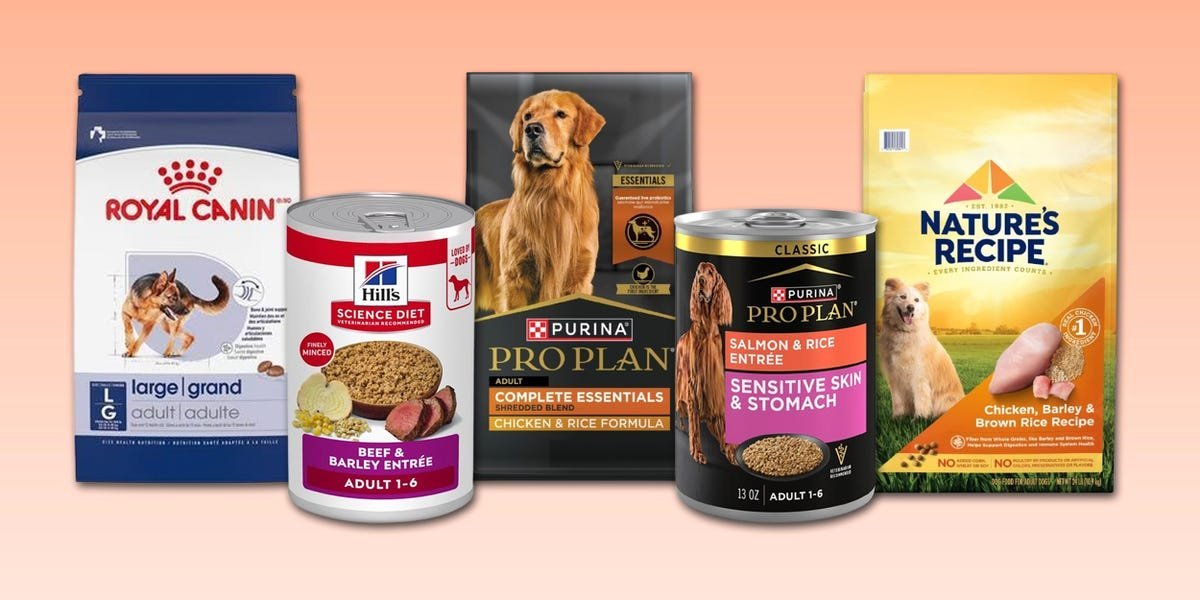
- Look for an AAFCO statement on the packaging that confirms the food is complete and balanced for your dog’s specific age or size.
- Review the guaranteed analysis to ensure protein, fat, and fiber levels align with your veterinarian’s recommendations for your pet’s activity level and health needs.
- Check the ingredient list for specific protein sources, such as “chicken” or “beef,” rather than vague terms like “meat meal” or “animal by-products.”
- Verify the expiration date on the bag, as older food can lose nutritional value or develop rancid fats.
- Transition to the new food slowly over seven days by mixing increasing amounts of the new kibble with the old to prevent stomach upset. Tip: If your dog has a known allergy, focus on limited-ingredient diets to reduce the chance of a reaction.
Tip: Always store dry food in its original bag inside an airtight container to keep it fresh and prevent pests. You can check the Association of American Feed Control Officials website for detailed guidance on how to read and interpret pet food labels.
How long it takes
The transition period for switching to a new diet typically takes one week to ensure your dog adjusts without digestive issues. Most owners mistakenly rush this process, assuming that a faster switch saves time. In reality, a rapid change often triggers systemic inflammation, which costs you expensive vet bills and days of cleanup.
| Situation | Transition Time | What changes it | What to watch for |
|---|---|---|---|
| Sensitive stomach | 14 days | History of GI issues | Loose stools or vomiting |
| Healthy adult | 7 days | Standard dietary change | Normal energy levels |
| Sudden switch | 1-2 days | Emergency food shortage | Sudden diarrhea or gas |
Use this decision rule: if your dog produces firm, consistent stools, increase the new food ratio by 25% regularly. If you observe soft stools, hold the current ratio for an extra 48 hours before progressing. If your dog shows signs of distress beyond three days, stop the transition and consult your veterinarian immediately.
How to tell when it’s done
You can’t measure “doneness” like you do with human food, but you can monitor your dog’s physical response. Look for a shiny coat, steady energy throughout the day, and consistent, firm stools. These signs usually appear after four to six weeks of consistent feeding.
If your dog refuses to eat or shows signs of lethargy, this isn’t the right food for them. A common mistake is switching brands too quickly when a dog turns their nose up at a new bowl. If they skip one meal, wait until the next feeding time before trying again.
However, if they refuse food for two consecutive meals, stop the transition immediately. You should also check for sudden weight loss by feeling their ribs. If the bones feel sharp rather than padded, the caloric density is likely too low. Always verify that the manufacturer employs a veterinary nutritionist to ensure the recipe is balanced.
Mistakes that ruin it
-
Overfeeding based on bag instructions: Most feeding guides are generic estimates meant for the average active dog. If your dog’s ribs feel padded or their waistline disappears when viewed from above, reduce the portion by 10% immediately.
-
Adding too many human table scraps: Extra snacks disrupt the nutrient balance of the main meal. Keep all supplemental treats to less than ten percent of their daily caloric intake. If you feed scraps, subtract those calories from the next bowl to prevent rapid weight gain.
-
Storing food in a damp area: Moisture in the storage bin encourages mold and bacterial growth. Always keep kibble in its original bag inside an airtight container. If the food smells musty or feels tacky, discard it; feeding contaminated kibble often leads to severe gastrointestinal distress.
-
Switching brands too often: Frequent changes without a transition period cause chronic digestive upset. If you must switch, mix 25% of the new food with 75% of the old for three days. Increase the ratio gradually over a week to avoid vomiting or diarrhea.