
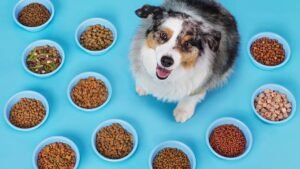
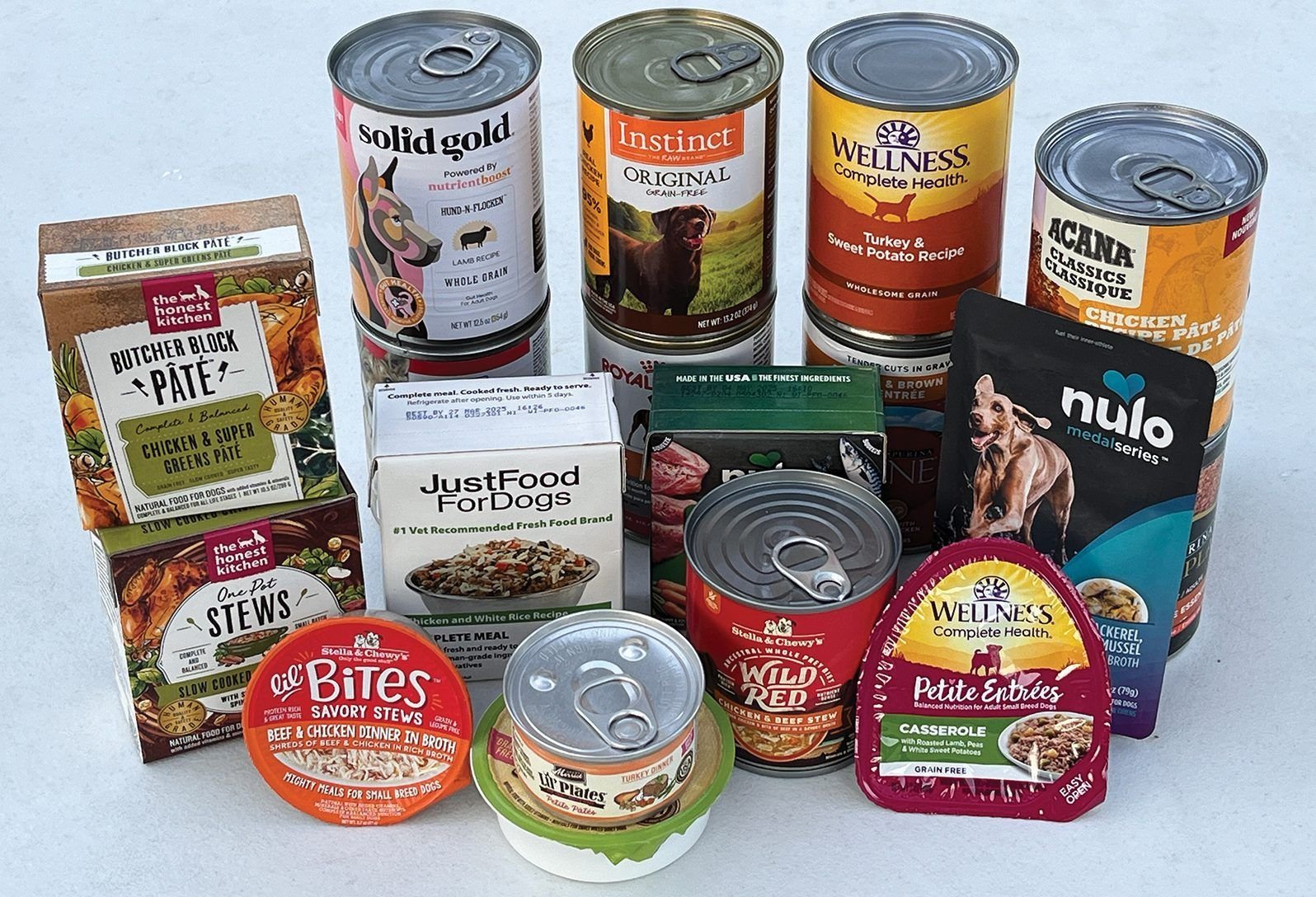
When asking what are the best dog foods for your dog, look for products meeting Association of American Feed Control Officials (AAFCO) standards. These provide a complete, balanced diet with the vitamins, minerals, and proteins required for your pet’s life stage. Always check the label to ensure it matches your dog’s age, size, and activity level.
The short version
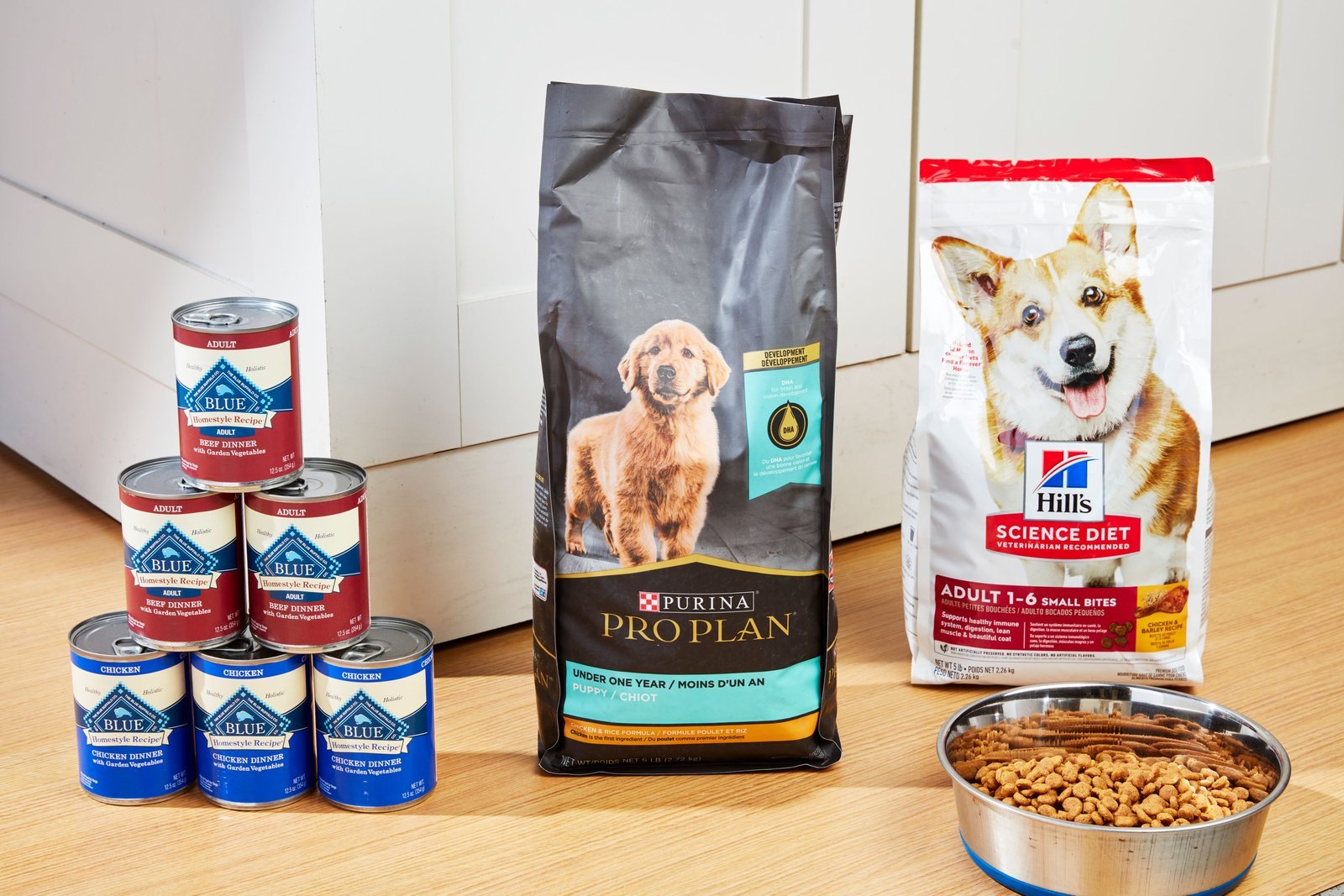
Look for an AAFCO statement on the back of the bag confirming the food is complete and balanced. This label acts as your primary legal assurance that the product meets nutritional minimums.
Choose a formula specifically labeled for your dog’s life stage, such as puppy, adult, or senior. A common mistake is feeding “all life stages” food to large-breed puppies, which can lead to rapid growth and skeletal abnormalities.
Check the ingredient list to ensure a high-quality protein source, like chicken or beef, is listed first. If the first ingredient is a grain or a vague “meat meal,” look for a different brand.
Measure food portions using a standard measuring cup based on the feeding guidelines printed on the packaging. Don’t eyeball the amount; overfeeding by just 10% daily can lead to obesity over six months.
Transition your dog to a new food over 7 to 10 days by mixing increasing amounts of the new food into the old one. If your dog develops loose stools, pause the transition for two days before proceeding.
Store dry kibble in a cool, dry place in its original bag to maintain freshness and prevent nutrient loss. Keeping the food in the original bag preserves the fat-coated barrier that prevents oxidation.
Why nutritional standards matter for dogs
Selecting the right nutrition requires understanding that dogs have specific biological requirements that vary by breed, age, and health status. A dog’s body needs a precise balance of amino acids, fatty acids, and minerals to maintain organ function, muscle mass, and immune health. When a food is labeled as “complete and balanced,” it signifies that the manufacturer has formulated the product to meet these requirements according to established scientific guidelines.
The Association of American Feed Control Officials provides the regulatory framework that guides pet food labeling and nutritional adequacy. If a product doesn’t carry this statement, it may be intended only for intermittent feeding. Using such products as a primary diet for more than 10 percent of a dog’s daily caloric intake can lead to severe nutrient deficiencies over time.
You should avoid diets that claim to be “premium” or “natural” without this specific regulatory evidence. These terms are often marketing labels rather than nutritional guarantees. A common mistake is assuming that high-cost, boutique brands are inherently safer; in reality, these smaller companies often lack the rigorous feeding trials required to prove long-term safety.
If your dog has a known health condition, such as kidney disease or food allergies, standard commercial diets may not be enough. In these cases, you must consult your veterinarian. They can recommend therapeutic diets that are restricted in certain minerals or protein sources to help manage the disease.
The decision rule is simple: if your dog is healthy, look for the AAFCO statement on the label. If your dog has a chronic illness, prioritize a prescription diet backed by clinical data. Never switch a dog with a health issue to a new food without professional guidance. The wrong balance of nutrients can worsen their underlying condition or put unnecessary stress on their kidneys or liver.
When the answer is different
| Situation | What changes | What to do instead |
|---|---|---|
| Puppy under one year | Higher energy needs | Use specific puppy formula |
| Large breed puppy | Slower growth needed | Choose large breed labels |
| Senior dog | Lower calorie needs | Use senior weight management |
| Sensitive digestion | Limited ingredients | Consult with your veterinarian |
| Pregnant or nursing | Extra calories required | Use all life stages food |
The most common mistake owners make is assuming a “maintenance” diet suits every adult dog. In reality, a sedentary house dog requires roughly 20% fewer calories than an active working breed of the same weight. If your dog gains visible fat over the ribs, switch to a weight-management formula immediately.
Large breed puppies face a unique risk. If they grow too quickly, their skeletal structure can’t support the rapid weight gain, which can exacerbate joint issues. You must choose food labeled specifically for “large breed growth” to ensure a controlled calcium-to-phosphorus ratio.
For dogs with sensitive digestion, look for the “limited ingredient” label. If your dog experiences chronic gas or loose stools, try a single-protein source diet for six weeks. If symptoms persist, the issue is likely an allergy rather than a simple intolerance, requiring a prescription hypoallergenic diet.
Finally, pregnant dogs enter a high-demand phase during the final trimester. Their caloric needs can double by the time they’re nursing. If you feed them standard adult food during this window, they may not receive the necessary caloric density to support fetal development. Always transition to an “all life stages” formula to support fetal development.
What are the best dog foods for your dog
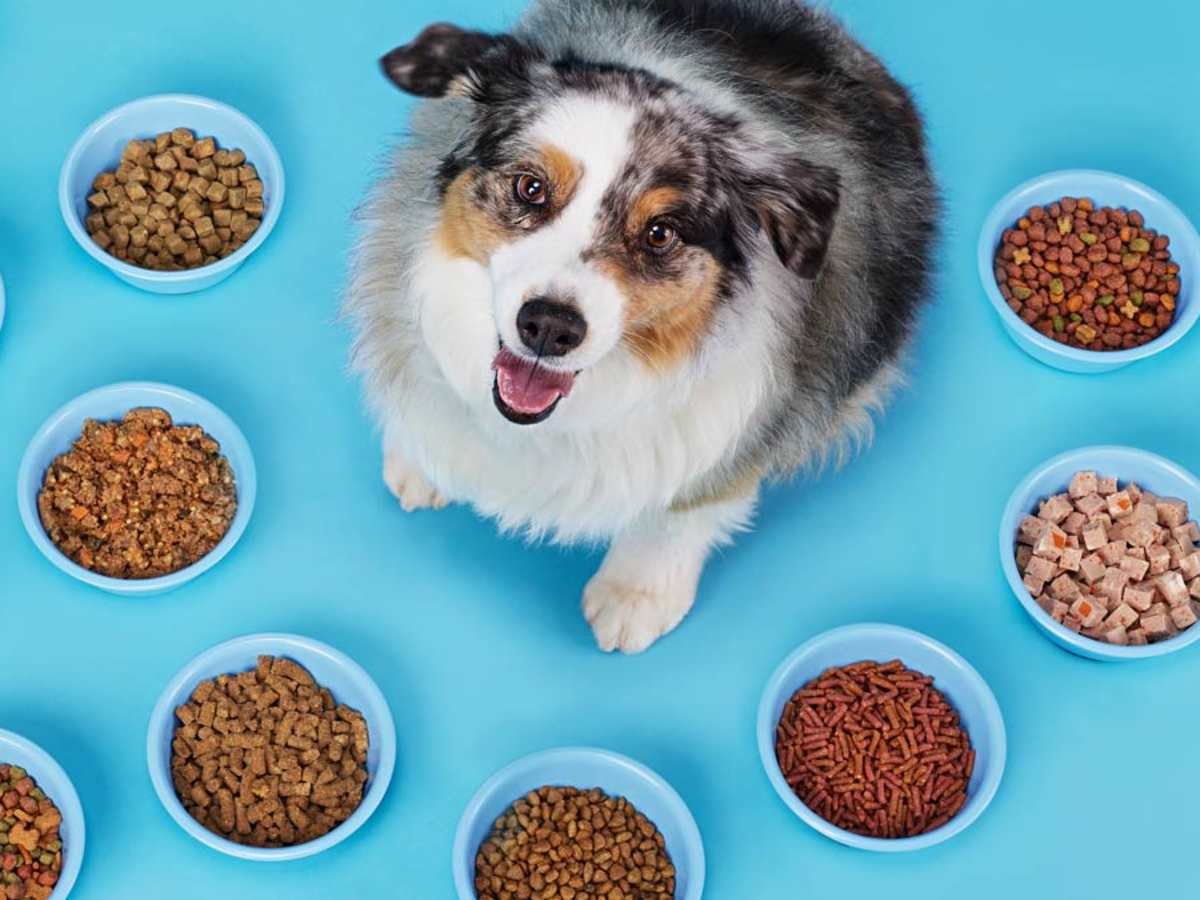
Identify your dog’s current weight and activity level to determine the daily caloric intake needed for their health. Most owners make the mistake of using the bag’s estimate without adjusting for their dog’s specific metabolism.
Read the feeding chart on the back of the bag to find the recommended daily amount for your dog’s weight. Use a standard 8-ounce measuring cup to scoop the food. Never eyeball the amount, as this can lead to significant inaccuracies in daily caloric intake.
Divide the total daily amount into two equal meals, one in the morning and one in the evening. This schedule helps manage hunger throughout the day.
Mix 25% new food with 75% old food for the first three days. Move to a 50/50 mix for the next three. Increase to 75% new food for the final three days before feeding 100% of the new diet. If you notice loose stool or vomiting, pause the transition for two days. If symptoms persist, consult your vet to rule out an underlying food intolerance.
The mistakes that ruin it
Feeding by “feel” rather than using a measuring cup often leads to obesity and joint issues. Most owners underestimate a portion by 20% when eyeballing, which adds up to an extra meal’s worth of calories regularly.
Changing food abruptly can cause severe stomach upset, vomiting, or diarrhea. To avoid this, mix 25% of the new food with 75% of the old, increasing the ratio over four days. If your dog has a sensitive gut, extend this transition to ten days.
Leaving food out all day encourages overeating and makes it impossible to track your dog’s appetite changes. A sudden loss of interest in a meal is often the first clinical sign of illness; if the bowl is always full, you’ll miss this vital warning.
Adding too many human table scraps dilutes the balanced nutrition of commercial food and can cause pancreatitis. As a rule, treats and scraps should never exceed 10% of a dog’s total daily caloric intake. If you can’t resist sharing, swap fatty meats for plain green beans.
Related guides