

The best brand of dog food for your pet is one that meets the nutritional standards set by the Association of American Feed Control Officials, fits your dog’s life stage, and aligns with your budget.
Key Takeaways
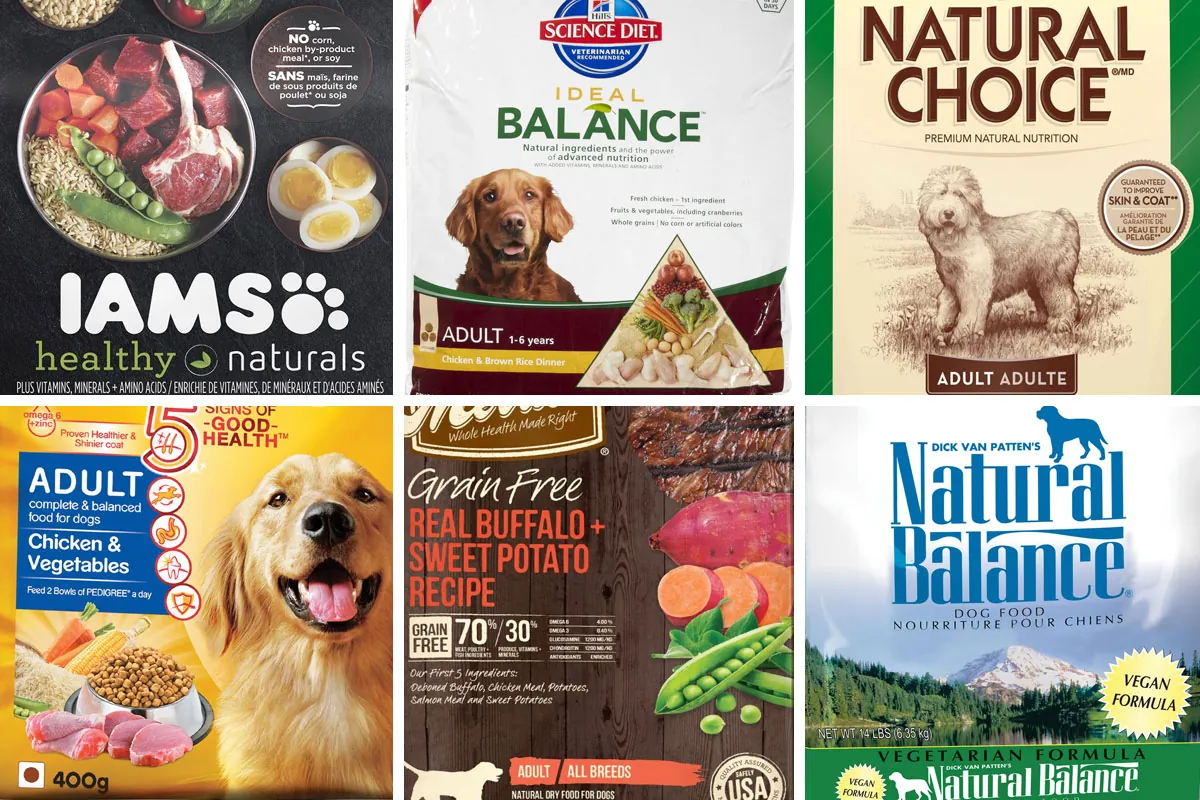
- Look for an AAFCO statement on the packaging to confirm the diet is complete and balanced for your dog’s specific life stage.
- Brands like Purina Pro Plan, Hill’s Science Diet, and Royal Canin employ full-time board-certified veterinary nutritionists to formulate their recipes.
- Puppies require diets formulated for growth, while seniors often benefit from joint support and adjusted caloric density.
- Large-breed puppies must eat food specifically designed to control calcium levels and prevent rapid skeletal growth.
- Grain-free diets aren’t inherently healthier and have been investigated for potential links to canine heart disease.
What Brand of Dog Food Should I Feed My Dog?
Prioritize manufacturers that conduct feeding trials rather than relying solely on computer-formulated recipes. Avoid boutique brands that lack transparency about who formulates their products or where they source ingredients.
Top Recommended Manufacturers
- Purina Pro Plan: Offers targeted formulas for working dogs, sensitive stomachs, and weight management.
- Hill’s Science Diet: Frequently recommended by veterinarians for everyday maintenance and clinical conditions.
- Royal Canin: Known for highly specific breed-size and veterinary prescription diets.
- Iams: Provides accessible, well-researched nutrition at various price points.
- Eukanuba: Focuses on high-performance nutrition for active and sporting breeds.
Reading the AAFCO Statement
The nutritional adequacy statement is the most critical text on any pet food label. Always choose foods validated by feeding trials when possible.
Matching Food to Life Stage
Dogs have vastly different metabolic demands depending on their age. Never feed an “all life stages” formula to a large-breed puppy unless it explicitly states it meets the growth requirements for large-sized dogs.
| Life Stage | Caloric Need | Key Nutrients | Example Formula Type |
|---|---|---|---|
| Puppy | High | DHA, Calcium, Phosphorus | Growth-specific kibble |
| Adult | Moderate | Balanced amino acids | Maintenance diet |
| Senior | Lower | Glucosamine, Omega-3s | Age-support blend |
Does Size Matter for Kibble?
Yes, physical kibble size and caloric density matter significantly. More importantly, large-breed puppy formulas restrict calcium and phosphorus ratios to prevent developmental orthopedic diseases such as hip dysplasia.
Wet vs Dry Dog Food

Choosing between canned and dry formats depends on your dog’s hydration needs, dental health, and your budget. Wet food contains roughly seventy-five percent moisture, making it excellent for dogs prone to urinary issues or those who refuse to drink enough water.
| Format | Moisture Content | Cost Per Day | Shelf Life Opened |
|---|---|---|---|
| Dry Kibble | 10% | Low | Weeks in sealed bin |
| Wet Canned | 75% | High | 3 days refrigerated |
| Fresh Frozen | 65% | Very High | Days thawed |
Are Grain-Free Diets Safe?
The FDA launched an investigation into a potential link between certain grain-free diets and dilated cardiomyopathy, a serious heart condition. Unless your veterinarian has diagnosed a confirmed grain allergy, a grain-inclusive diet remains the safer choice.
Warning: Switching to a grain-free diet without medical justification may inadvertently increase your dog’s risk of developing taurine-deficient heart disease. Always consult your vet before eliminating grains.
How to Transition Foods Safely
Sudden dietary changes frequently cause gastrointestinal upset. Spread the change over seven to ten days, monitoring stool quality daily.
| Days | Old Food Ratio | New Food Ratio |
|---|---|---|
| 1-3 | 75% | 25% |
| 4-6 | 50% | 50% |
| 7-9 | 25% | 75% |
| 10+ | 0% | 100% |
Pro Tip: If your dog has a history of sensitive digestion, extend this transition schedule to fourteen days, increasing the new food by just ten percent every other day.
When to Choose Prescription Diets
Therapeutic diets are strictly regulated and available only through veterinary authorization. Brands like Hill’s Prescription Diet, Royal Canin Veterinary Diet, and Purina Pro Plan Veterinary Diets manufacture specialized formulas for kidney disease, pancreatitis, and severe allergies. These aren’t premium versions of grocery store food; they’re medically engineered interventions.
Budgeting for Quality Nutrition
High-quality nutrition doesn’t always require the highest price tag. Calculate the cost per calorie rather than the cost per bag. Buying larger bags typically reduces the unit price, provided you can store them properly to prevent fats from going rancid.
Evaluating Ingredient Lists
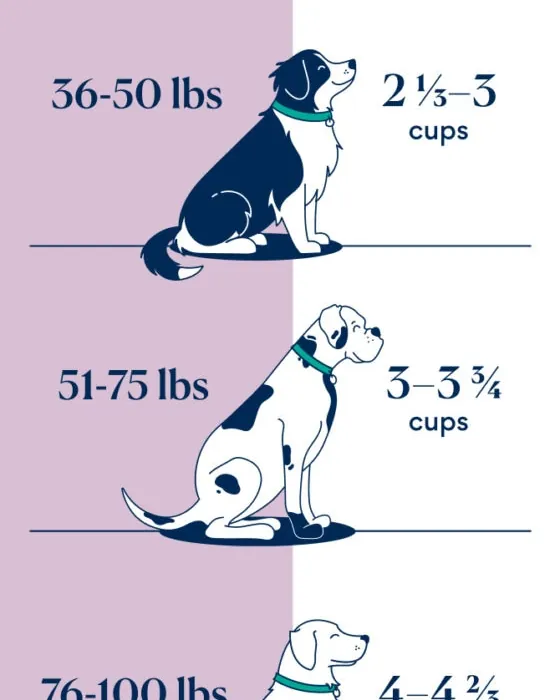
Ingredient lists are ordered by weight before processing. Focus on the guaranteed analysis and the manufacturer’s reputation rather than obsessing over whether blueberries appear in the top five ingredients. Named meat meals, like salmon meal or lamb meal, are concentrated, high-quality protein sources.
Frequently Asked Questions
Can I feed my dog human food instead?
While some human foods like plain boiled chicken or carrots are safe, a purely homemade diet requires precise formulation by a board-certified veterinary nutritionist. Most home-cooked diets are severely deficient in calcium, zinc, and essential fatty acids unless carefully supplemented.
How often should I feed my adult dog?
Most adult dogs thrive on two meals per day, spaced roughly twelve hours apart. Free-feeding often leads to obesity. Puppies under six months typically require three to four smaller meals daily to maintain stable blood sugar levels.
Is raw feeding better than kibble?
Major veterinary organizations advise against raw diets due to significant risks of Salmonella and Listeria contamination for both pets and humans. Raw diets also frequently suffer from nutritional imbalances that commercial cooking processes eliminate.
Why is my dog itching after eating?
Itching can indicate a food allergy, though environmental allergens like pollen or dust mites are far more common culprits. True food allergies usually involve proteins like beef, dairy, or chicken. Consult your vet for a proper elimination diet trial.
Do dogs get bored eating the same food?
Dogs have far fewer taste receptors than humans and generally don’t experience boredom with consistent meals. Frequent rotation of different brands or flavors is more likely to cause chronic digestive upset than satisfaction.
Conclusion
Schedule an appointment with your veterinarian to discuss your dog’s specific body condition score and activity level. Bring the bag or a photo of your current food’s ingredient panel and AAFCO statement so they can recommend the exact formula your pet needs today.