
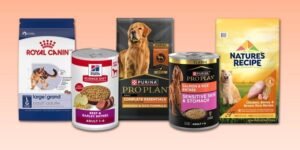
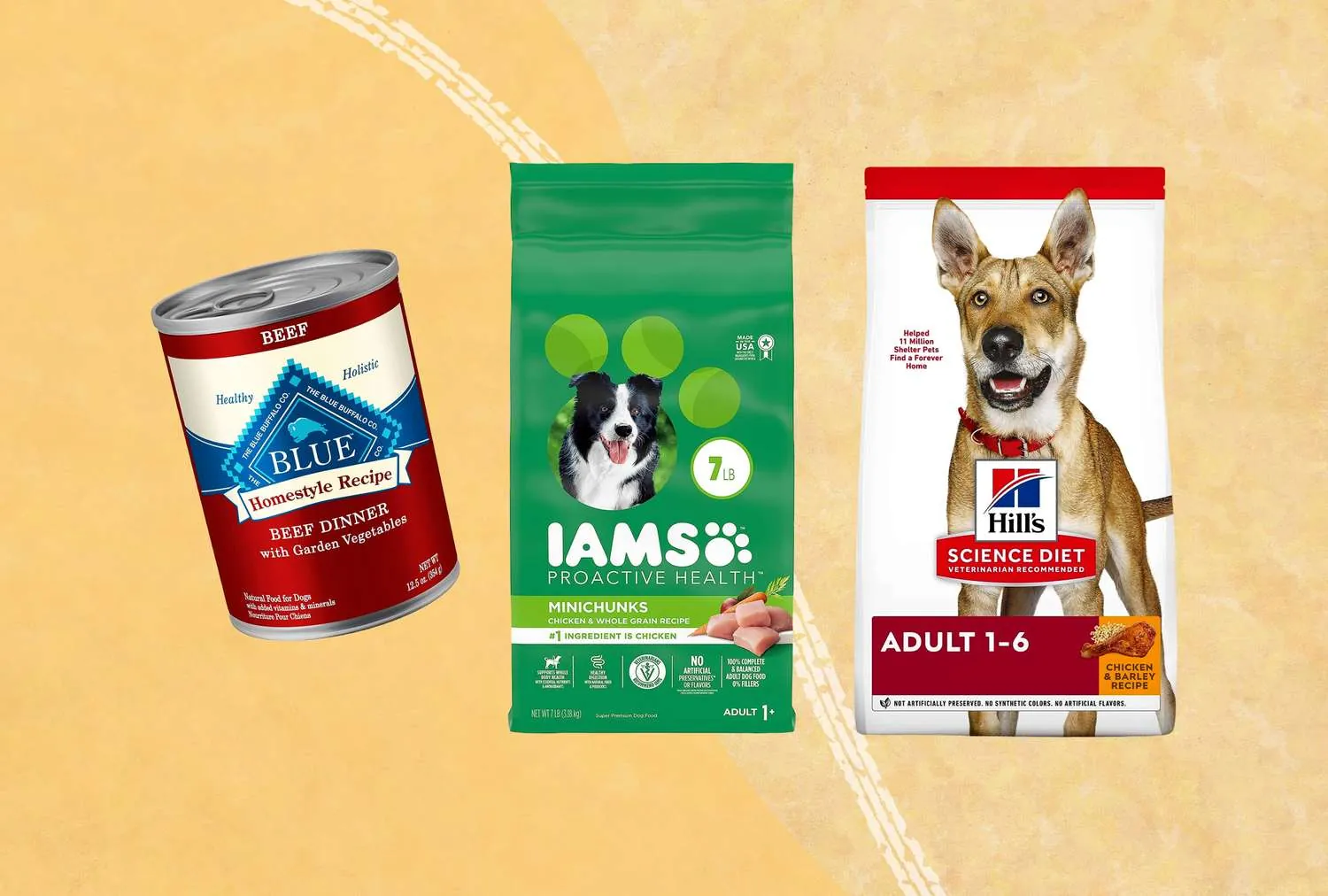
Several trusted dog food brands consistently meet high nutritional standards, including Hill’s Science Diet, Royal Canin, Purina Pro Plan, Blue Buffalo, and Orijen. The best options employ veterinary nutritionists and conduct feeding trials to ensure every recipe supports long-term canine health.
Key Takeaways
- Look for brands that employ full-time board-certified veterinary nutritionists to formulate their recipes.
- Prioritize companies that conduct AAFCO feeding trials instead of relying solely on nutrient profiles.
- Match the formula to your dog’s specific life stage: puppy, adult maintenance, or senior.
- Avoid boutique diets with exotic proteins unless a veterinarian specifically recommends them for medical reasons.
- Check the ingredient list for named animal proteins like chicken or salmon as the first item.
What Dog Food Brands Are Good?
The most reliable manufacturers invest heavily in research, quality control, and safety testing. Always verify that a brand meets established nutritional guidelines before making a purchase.
| Brand | Parent Company | Primary Strength |
|---|---|---|
| Hill’s Science Diet | Colgate-Palmolive | Prescription and science-backed diets |
| Royal Canin | Mars Petcare | Breed-specific and targeted nutrition |
| Purina Pro Plan | Nestlé Purina | Performance and widely available formulas |
| Blue Buffalo | General Mills | Natural ingredients without poultry by-product meals |
| Orijen | Champion Petfoods | High-protein, biologically appropriate recipes |
Why Feeding Trials Matter
A formulation might look perfect on paper but fail during actual digestion. Feeding trials involve feeding the diet to real dogs over an extended period while monitoring bloodwork, weight, and overall health.
Formulation vs. Testing
Formulated diets rely on mathematical calculations to meet minimum nutrient requirements. Choose tested whenever possible.
How to Read Ingredient Labels
Ingredient lists follow descending order by pre-cooking weight. Because fresh meat contains roughly seventy percent water, it often appears first even if the actual protein contribution is lower than a meal further down the list. Focus on named protein sources like deboned turkey or lamb meal rather than vague terms like meat by-products. Whole grains such as brown rice and oats provide valuable energy and fiber, while artificial colors serve no nutritional purpose whatsoever.
Is Grain-Free Food Better?
Marketing has convinced many owners that grains are harmful fillers, but veterinary science tells a different story. Unless your dog has a diagnosed grain allergy, which is statistically rare, whole grains offer excellent carbohydrates and essential fatty acids. The FDA launched an investigation into potential links between certain grain-free diets containing peas, lentils, or potatoes and an increased risk of dilated cardiomyopathy in dogs.
Matching Food to Life Stages
Nutritional requirements shift dramatically as dogs age. Puppies need higher calories, calcium, and phosphorus to support rapid skeletal growth. Adult maintenance formulas balance energy intake to prevent obesity, while senior diets often include joint supplements and reduced caloric density. Large breed puppies require specifically controlled calcium levels to prevent developmental orthopedic diseases.
| Life Stage | Key Nutrient Focus | Caloric Need |
|---|---|---|
| Puppy | Calcium, DHA, high protein | Very high |
| Adult | Balanced amino acids | Moderate |
| Senior | Glucosamine, lower fat | Reduced |
Wet Versus Dry Kibble Options
Both formats can provide complete nutrition when formulated correctly. Dry kibble offers convenience, dental friction benefits, and cost-effectiveness for daily feeding. Canned wet food provides superior hydration, stronger aromas for picky eaters, and softer textures for dogs with dental disease.
Should You Try Fresh Delivery?
Fresh delivery services like The Farmer’s Dog, Nom Nom, and Ollie use gently cooked human-grade ingredients shipped directly to your door. These subscriptions offer excellent palatability and highly digestible proteins. However, they cost significantly more than traditional retail bags and require dedicated freezer space.
Warning Signs of Poor Nutrition
Monitor your dog’s physical condition closely after changing diets. A dull coat, chronic loose stools, excessive shedding, or unexplained lethargy indicate the food lacks proper bioavailability or balance. Digestive upset lasting more than a few days warrants a return to the previous formula.
Warning: Never transition foods abruptly. Mix the new formula with the old one gradually over seven to ten days to prevent severe gastrointestinal distress.
Transitioning Between Brands Safely
Switching diets requires patience to protect your dog’s sensitive gut microbiome. Start by replacing twenty-five percent of the old food with the new brand for three days. Increase the ratio to fifty percent for another three days, then seventy-five percent, until the transition is complete.
Pro Tip: If your dog refuses the new food, warm it slightly or add a tablespoon of low-sodium bone broth to enhance the aroma and encourage eating.
Frequently Asked Questions
What is the healthiest dog food brand?
There’s no single healthiest brand for every dog. Hill’s Science Diet, Royal Canin, and Purina Pro Plan consistently rank highest among veterinary professionals because they conduct rigorous feeding trials and employ board-certified nutritionists to formulate their recipes.
Is expensive dog food always better?
Higher prices don’t automatically guarantee superior nutrition. Premium pricing often reflects marketing, exotic ingredients, or specialized processing. Evaluate the company’s nutritional research, feeding trials, and veterinary endorsements rather than relying solely on the retail price tag.
Can I feed my dog homemade food?
Homemade diets are extremely difficult to balance correctly without professional guidance. Dogs require precise ratios of calcium, phosphorus, and trace minerals. If you prefer cooking at home, consult a veterinary nutritionist to create a safe, complete recipe.
How often should I change dog food?
You don’t need to rotate brands frequently if your dog thrives on their current diet. Only switch foods when transitioning between life stages, addressing a specific health issue, or if the manufacturer changes their formula negatively.
Are by-products bad for dogs?
Named by-products, such as chicken by-products, contain nutrient-dense organ meats like liver and kidneys. They aren’t inherently harmful. Avoid products listing vague “meat by-products” without specifying the animal source to ensure quality and safety.
Conclusion
Review your dog’s current body condition score and discuss their specific dietary needs with your primary care veterinarian at their next wellness exam. Bring the bag or note the exact formula name so they can evaluate whether the macronutrient profile truly matches your pet’s individual health requirements.