
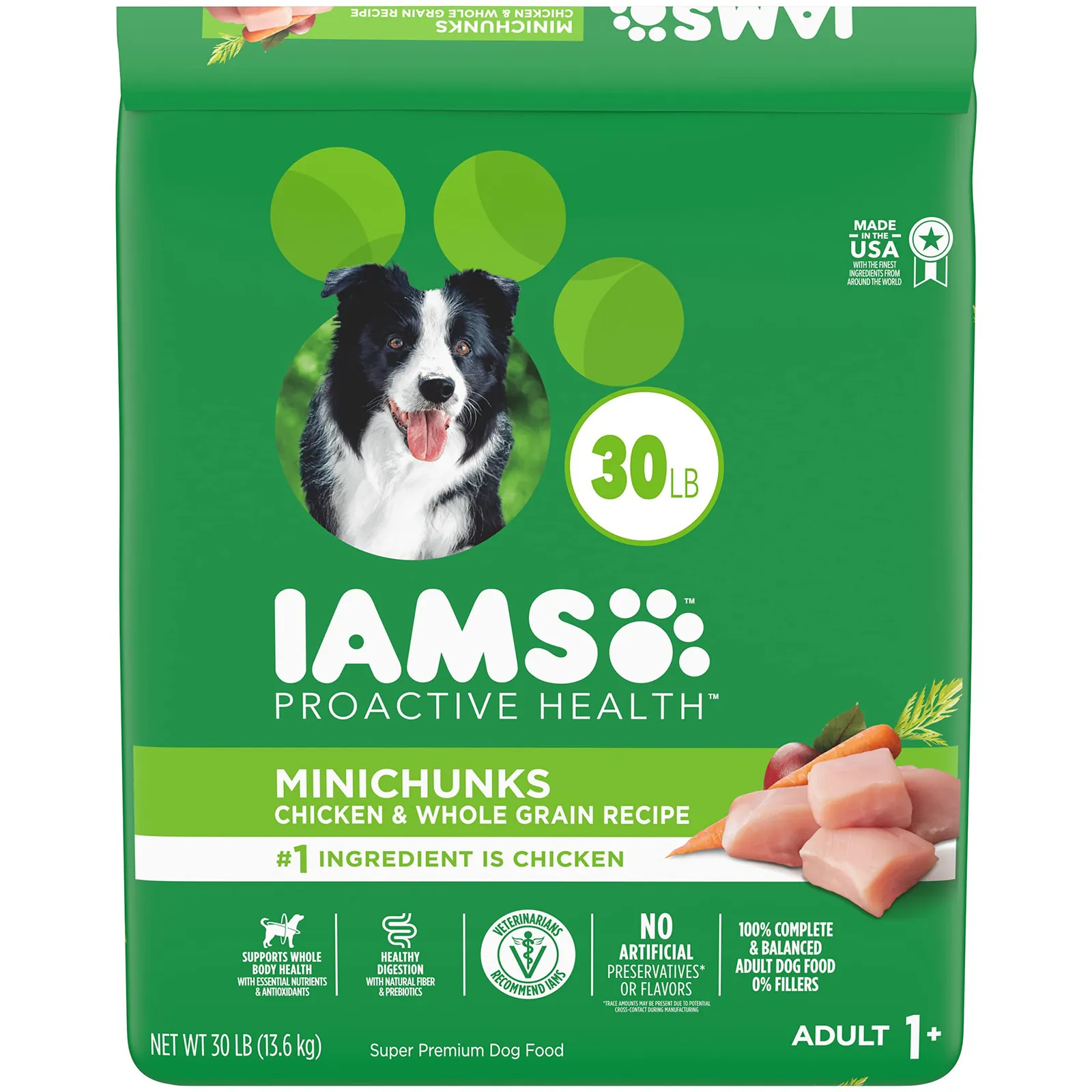
Safe dog food brands are those that meet strict nutritional standards, employ veterinary nutritionists, and conduct rigorous feeding trials before selling their products. Choosing a safe diet means looking beyond flashy packaging to examine manufacturing practices, ingredient sourcing, and scientific backing. Brands like Purina, Hill’s Science Diet, Royal Canin, and Iams consistently meet these high benchmarks because they invest heavily in research and quality control.
Key Takeaways
- Look for an AAFCO statement on the label confirming the food is complete and balanced for your dog’s life stage.
- Choose brands that employ full-time board-certified veterinary nutritionists rather than relying solely on outside consultants.
- Prioritize companies that conduct actual feeding trials instead of formulating diets based only on paper calculations.
- Check the FDA’s recall history to see how a brand handles safety issues and whether problems are recurring.
- Avoid boutique diets making extreme claims about grain-free or raw ingredients without peer-reviewed evidence supporting them.
What Dog Food Brands Are Safe?
The safest options come from large manufacturers with decades of research behind their formulas. These companies own their manufacturing plants, which reduces contamination risks associated with third-party co-packers.
| Brand | Parent Company | Veterinary Nutritionists | Feeding Trials |
|---|---|---|---|
| Purina Pro Plan | Nestlé Purina | Yes | Yes |
| Hill’s Science Diet | Colgate-Palmolive | Yes | Yes |
| Royal Canin | Mars Petcare | Yes | Yes |
| Iams | Mars Petcare | Yes | Yes |
These four brands represent the gold standard for nutritional adequacy and consistent safety records across thousands of batches produced annually.
How Do You Verify Nutritional Adequacy?
Every bag of commercial pet food sold in the United States must display a nutritional adequacy statement. This statement confirms whether the diet meets nutrient profiles established by the Association of American Feed Control Officials.
A formulation method means the recipe matches nutrient profiles on paper. A feeding trial means real dogs ate the food for months under veterinary supervision to prove it actually sustains health. Always prefer foods validated through feeding trials.
Which Ingredients Signal Quality?
High-quality proteins like chicken, beef, salmon, or lamb should appear first on the ingredient list. Named meat meals, such as chicken meal or fish meal, are concentrated protein sources that provide excellent nutrition.
Avoid generic terms like “meat by-products” or “animal fat,” which lack transparency. Safe brands clearly identify every component. Whole grains like brown rice and oats provide essential fiber and energy for most healthy dogs.
Why Are Feeding Trials Important?
Formulating a recipe on a computer doesn’t guarantee a dog can digest and absorb those nutrients properly. Feeding trials test bioavailability in living animals over extended periods.
Brands that skip this step rely entirely on mathematical models. While cheaper to produce, these foods carry higher risks of hidden nutritional deficiencies. The World Small Animal Veterinary Association strongly recommends choosing diets tested through clinical feeding trials whenever possible.
What About Grain-Free Diets?
In recent years, the FDA investigated a potential link between certain grain-free diets and dilated cardiomyopathy (DCM) in dogs. Many implicated diets contained high amounts of peas, lentils, chickpeas, or potatoes replacing traditional grains.
Unless your veterinarian diagnoses a specific grain allergy, which is statistically rare, standard grain-inclusive diets remain the safer choice. You can review the FDA investigation into DCM directly for ongoing updates regarding this serious cardiac condition.
How to Spot Red Flags
Marketing buzzwords often distract from actual nutritional science. Be skeptical of brands using fear-based marketing to sell their products.
| Red Flag | Why It Matters | Safer Alternative |
|---|---|---|
| “Human-grade” claims | Legally meaningless for pet food nutrition | AAFCO-approved statements |
| No named manufacturer | Hides where the food is actually made | Brands owning their plants |
| Exotic proteins only | Lack long-term safety data | Standard chicken or beef |
| Anti-grain rhetoric | Ignores veterinary consensus | Balanced grain-inclusive diets |
Pro Tip: If a brand spends more time criticizing competitors than publishing its own peer-reviewed research, consider that a major warning sign regarding their overall priorities.
Where to Check Recall History
No manufacturer is immune to occasional errors, but safe brands handle recalls transparently and swiftly. Frequent recalls involving the same contaminants suggest systemic failures in quality control protocols.
You can search historical recall databases maintained by federal regulatory agencies. A single isolated recall handled perfectly is far less concerning than repeated violations involving salmonella or dangerous mycotoxins. Look for proactive testing protocols.
When Should You Consult a Veterinarian?
Puppies, senior dogs, pregnant females, and dogs with chronic illnesses have highly specific nutritional requirements. Over-the-counter adult maintenance diets won’t support their unique metabolic needs safely.
A veterinarian can recommend therapeutic diets formulated for conditions like kidney disease, obesity, or severe allergies. Never switch a sick dog to a new diet without professional guidance, as improper nutrition can rapidly worsen underlying medical conditions.
Warning: Don’t attempt to balance a homemade diet using internet recipes alone. Most online recipes are severely deficient in critical micronutrients like calcium, zinc, and essential fatty acids.
Frequently Asked Questions
Is raw dog food safe?
Raw diets carry significant risks of bacterial contamination, including Salmonella and Listeria, for both pets and humans handling the food. Major veterinary organizations generally advise against feeding raw meat due to these public health hazards and the difficulty of ensuring complete nutritional balance at home.
Are expensive dog foods always safer?
Price doesn’t guarantee safety or nutritional superiority. Many premium boutique brands lack the extensive research, dedicated manufacturing facilities, and veterinary oversight that larger, moderately priced brands possess. Always evaluate the science and feeding trials behind a product rather than its retail cost.
How often do safe brands get recalled?
Even top-tier brands occasionally face minor recalls, but they typically catch issues through internal testing before pets become ill. A safe brand responds immediately, identifies the root cause, and implements corrective actions. Chronic, repeated recalls are the true indicator of an unsafe manufacturer.
Can I trust organic dog food labels?
Organic certification dictates how agricultural ingredients are grown, not whether the final formula provides complete canine nutrition. An organic diet can still be nutritionally imbalanced. Always verify that any organic brand also meets AAFCO nutrient profiles and conducts proper feeding trials.
What if my dog has food allergies?
True food allergies require veterinary diagnosis, usually through a strict elimination diet trial using novel proteins or hydrolyzed diets. Over-the-counter limited ingredient diets often share manufacturing equipment with common allergens, risking cross-contamination. Prescription diets offer the highest safety for allergic dogs.
Conclusion
Transitioning to a verified, safe diet requires patience. Mix the new food with your dog’s current diet gradually over seven to ten days to prevent gastrointestinal upset. Start by consulting your veterinarian to select the best brand for your dog’s specific age, breed, and health status today.