
There’s no single healthiest dog food brand because nutritional needs vary by age, size, and health status. The best choice meets AAFCO nutrient profiles for your dog’s specific life stage and passes feeding trials to prove digestibility.
Healthiest dog food brands at a glance
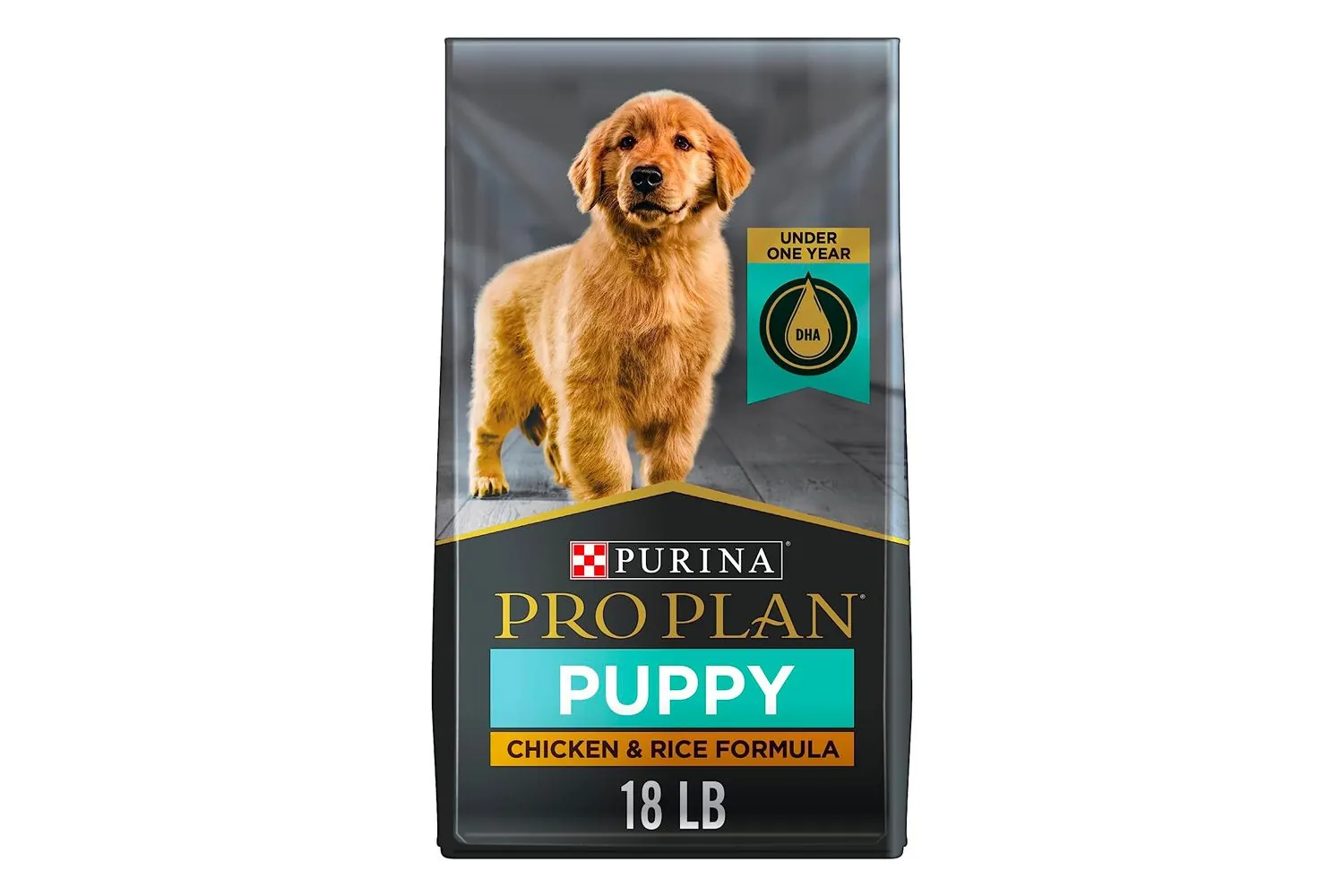
- Brands like Purina Pro Plan, Hill’s Science Diet, and Royal Canin employ full-time veterinary nutritionists and conduct peer-reviewed research.
- Look for an AAFCO statement confirming the food is complete and balanced for your dog’s current life stage.
- Foods passing actual feeding trials are superior to those formulated only by computer analysis.
- Prescription diets from Hills or Royal Canin are necessary for managing kidney disease, allergies, or urinary stones.
- Fresh food services like The Farmer’s Dog offer gentle cooking but cost significantly more than kibble.
- Avoid boutique brands lacking published nutritional studies or board-certified nutritionist oversight.
Why formulation matters most
Nutritional adequacy determines health outcomes far more than marketing claims about human-grade ingredients or ancestral diets. A brand’s quality depends entirely on its formulation process, testing protocols, and employment of board-certified veterinary nutritionists who understand canine physiology.
The AAFCO nutrient profiles establish minimum standards, but exceeding them through rigorous testing separates reliable brands from risky ones. Companies conducting actual feeding trials catch bioavailability issues that laboratory analysis alone can’t detect.
Dogs absorb nutrients differently based on ingredient interactions and processing methods. A diet might look perfect on paper yet fail in practice because nutrients aren’t accessible after manufacturing. This gap explains why some expensive foods cause deficiencies while science-backed mid-range options support thriving dogs.
Research investment directly correlates with safety records. Brands publishing peer-reviewed studies demonstrate accountability and continuous improvement. Without this transparency, you’re trusting marketing over measurable nutritional science that actually supports long-term canine health.
When standard brands aren’t enough
Some dogs require specialized nutrition that mainstream commercial diets can’t provide safely.
| Situation | What changes | What to do instead |
|---|---|---|
| Food allergies | Protein triggers immune response | Use hydrolyzed prescription diet |
| Kidney disease | Phosphorus restriction needed | Feed renal therapeutic formula |
| Pancreatitis | Fat intolerance present | Choose ultra-low fat prescription food |
| Large breed puppy | Rapid growth risks joints | Select large-breed specific growth diet |
| Senior with cognitive decline | Brain aging accelerates | Use MCT-enriched senior formulation |
| Post-surgery recovery | Digestive system compromised | Follow vet-recommended recovery diet |
Choosing safe dog food properly
- Read the AAFCO statement to confirm the food matches your dog’s exact life stage and size category.
- Verify the manufacturer employs at least one full-time DACVN or PhD animal nutritionist overseeing formulations.
- Confirm the product passed actual feeding trials rather than relying solely on computer-formulated nutrient analysis.
- Check recall history on FDA databases to identify brands with repeated safety failures or contamination events.
- Compare the guaranteed analysis to your veterinarian’s recommendation to ensure protein and fat levels suit your dog’s activity.
- Request the caloric density per cup from manufacturers since energy content varies dramatically between products.
- Transition gradually over seven days while monitoring stool quality to assess individual digestive tolerance.
- Schedule veterinary bloodwork annually to verify the chosen diet maintains optimal internal health markers.
Common dog food selection mistakes
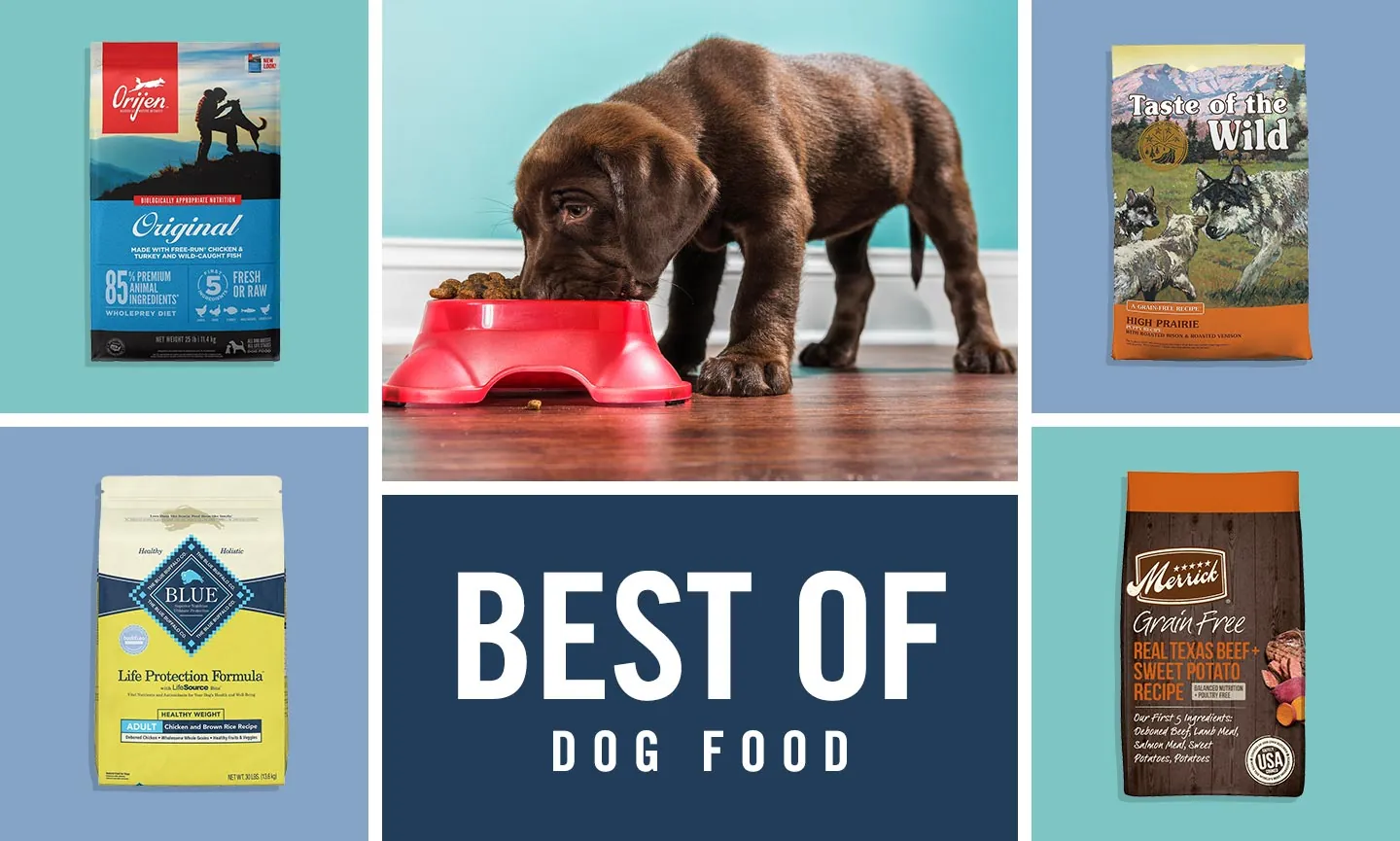
- Choosing grain-free without medical need increases dilated cardiomyopathy risk due to legume-heavy formulations replacing grains.
- Ignoring calorie density leads to obesity when switching brands because cups contain vastly different energy amounts.
- Trusting “human-grade” labels assumes safety despite lacking evidence that this improves canine nutrient absorption.
- Rotating proteins frequently can introduce new sensitivities and complicates elimination-diet trials used to identify true allergens.
- Overlooking feeding trial data means accepting untested formulations that may lack bioavailable nutrients despite meeting minimums.
Frequently asked questions
Is grain-free dog food healthier?
No, grain-free isn’t inherently healthier and may increase heart disease risk. The FDA linked certain grain-free diets to dilated cardiomyopathy in dogs. Unless your veterinarian diagnoses a specific grain allergy, which is rare, traditional grain-inclusive foods remain safer choices backed by decades of safety data.
How often should I change dog food brands?
Change only when medically necessary or if your dog shows intolerance signs. Frequent rotation doesn’t prevent allergies and often causes digestive upset. Most dogs thrive on consistent nutrition for years. Switch gradually over seven days whenever a change becomes unavoidable for health reasons.
Are fresh dog food brands worth the cost?
Fresh brands offer convenience and palatability but aren’t nutritionally superior to quality kibble. They typically cost three to five times more monthly. If budget allows and your dog prefers them, they’re acceptable options. However, premium kibble from research-backed brands provides equal nutrition at lower expense.
Does my senior dog need special food?
Yes, seniors benefit from adjusted phosphorus, enhanced omega-3s, and modified protein levels. Age-related metabolic changes alter nutrient requirements significantly. Senior formulas address these shifts proactively. Consult your veterinarian around age seven to determine if transitioning supports your dog’s changing physiological needs appropriately.
Can I trust dog food reviews online?
Online reviews reflect individual experiences, not nutritional adequacy. Dogs respond differently to identical diets based on genetics and health status. Prioritize veterinary recommendations and manufacturer transparency over crowd-sourced opinions. Scientific formulation and feeding trial data matter far more than anecdotal testimonials from other pet owners.
What ingredients should I avoid completely?
Avoid artificial colors and flavors, as well as synthetic preservatives like BHA or ethoxyquin. Also skip foods listing vague terms such as “meat by-products” without specifying the animal source. However, demonizing common ingredients like corn or chicken lacks scientific basis. Focus on complete nutritional balance rather than ingredient fear-mongering.
Do raw diets improve dog health?
Raw diets carry significant bacterial contamination risks without proven health benefits over cooked foods. The AVMA warns against raw feeding due to pathogen exposure for pets and humans. Cooked commercial diets undergo safety testing raw foods lack. Discuss concerns with your veterinarian before considering any unprocessed feeding approach.
Conclusion
Your dog’s ideal food depends on their unique biology, not industry rankings or trending ingredients. Monitor body condition, energy levels, coat quality, and veterinary bloodwork to evaluate whether your current choice truly supports their health. Adjust based on observable results and professional guidance rather than marketing promises.