

No single best dog food brand exists because nutritional needs vary by age, size, and health status. Purina Pro Plan, Hill’s Science Diet, and Royal Canin meet AAFCO nutrient profiles and employ veterinary nutritionists, making them reliable starting points when matched to your pet’s life stage.
Skipping the AAFCO statement on the bag is the most common error before buying. That small print confirms the food meets nutrient profiles for a specific life stage, and without it you’re guessing at completeness.
How to choose the best brand of dog food
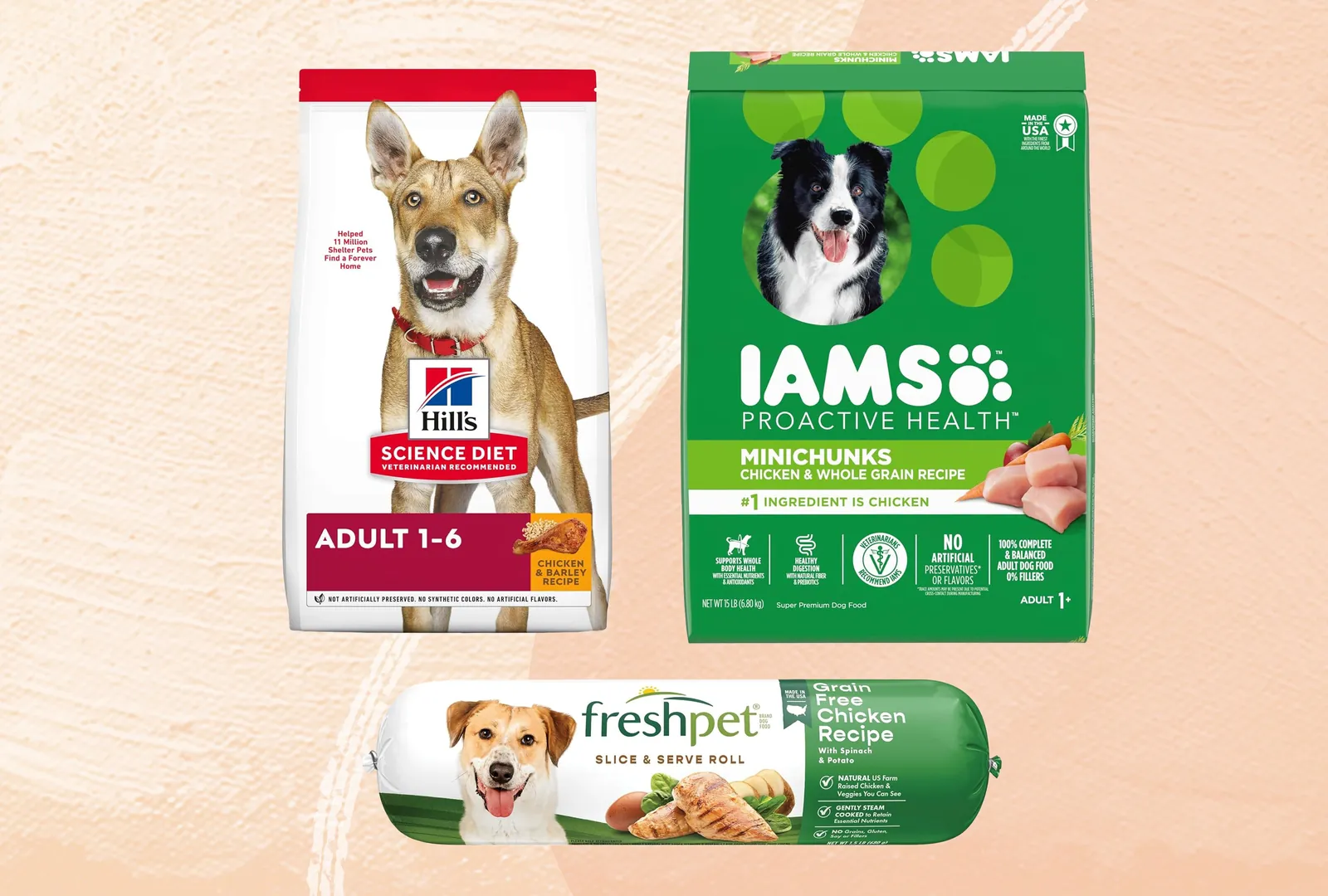
- Read the AAFCO statement to confirm the food is complete and balanced for your dog’s specific life stage, such as growth, adult maintenance, or all life stages. If the label says “intermittent or supplemental feeding only,” it isn’t a standalone diet and can’t meet daily nutrient needs.
- Check the manufacturer’s website for evidence of feeding trials or formulation by a board-certified veterinary nutritionist. The WSAVA Global Nutrition Committee recommends selecting companies that provide this transparency, as it indicates scientific oversight beyond basic regulatory compliance.
- Match the calorie density to your dog’s activity level and body condition score using the feeding guide as a starting point. Active working dogs need higher fat formulas around 400 kcal/cup, while sedentary seniors often require lower-calorie options near 300 kcal/cup to prevent obesity.
- Transition gradually over seven days by mixing 25% new food with 75% old food, increasing the new portion every two days. Rushing this causes gastrointestinal upset in sensitive dogs, so slow the transition if loose stools appear and consult your vet if symptoms persist beyond three days.
- Monitor your dog’s stool quality, energy levels, and coat condition for four weeks after switching. Poor digestion or dull fur signals the formula doesn’t suit your individual dog, even if it meets all nutrient standards on paper.
Tip: Keep a simple daily log during the transition period noting appetite, stool consistency, and any skin changes. This helps your veterinarian distinguish between adjustment issues and true food intolerance.
Dog Food Selection Timeline
Finding the right food takes time because each dog responds differently to formulations, and rushing leads to repeated failures.
| Situation | How long | What changes it | What to watch for |
|---|---|---|---|
| Healthy adult dog | 4-6 weeks | Previous diet similarity | Stool consistency and coat shine |
| Puppy transitioning | 8-12 weeks | Growth rate and breed size | Body condition score and energy |
| Senior with health issues | 6-10 weeks | Concurrent medications | Blood work values and mobility |
| Known food sensitivity | 8-12 weeks | Elimination diet protocol | Itching reduction and GI signs |
If evaluation exceeds twelve weeks without improvement, stop testing new brands and schedule a veterinary nutrition consultation to rule out underlying medical conditions requiring prescription diets.
Signs Your Dog Food Works

Signs a food suits your dog include ideal body weight, firm stools, and steady energy.
When signs conflict, trust objective measures over subjective impressions. Regular body condition scoring is the most reliable home assessment tool for dietary adequacy.
Track these markers monthly rather than daily to account for normal variation.
Common Dog Food Mistakes
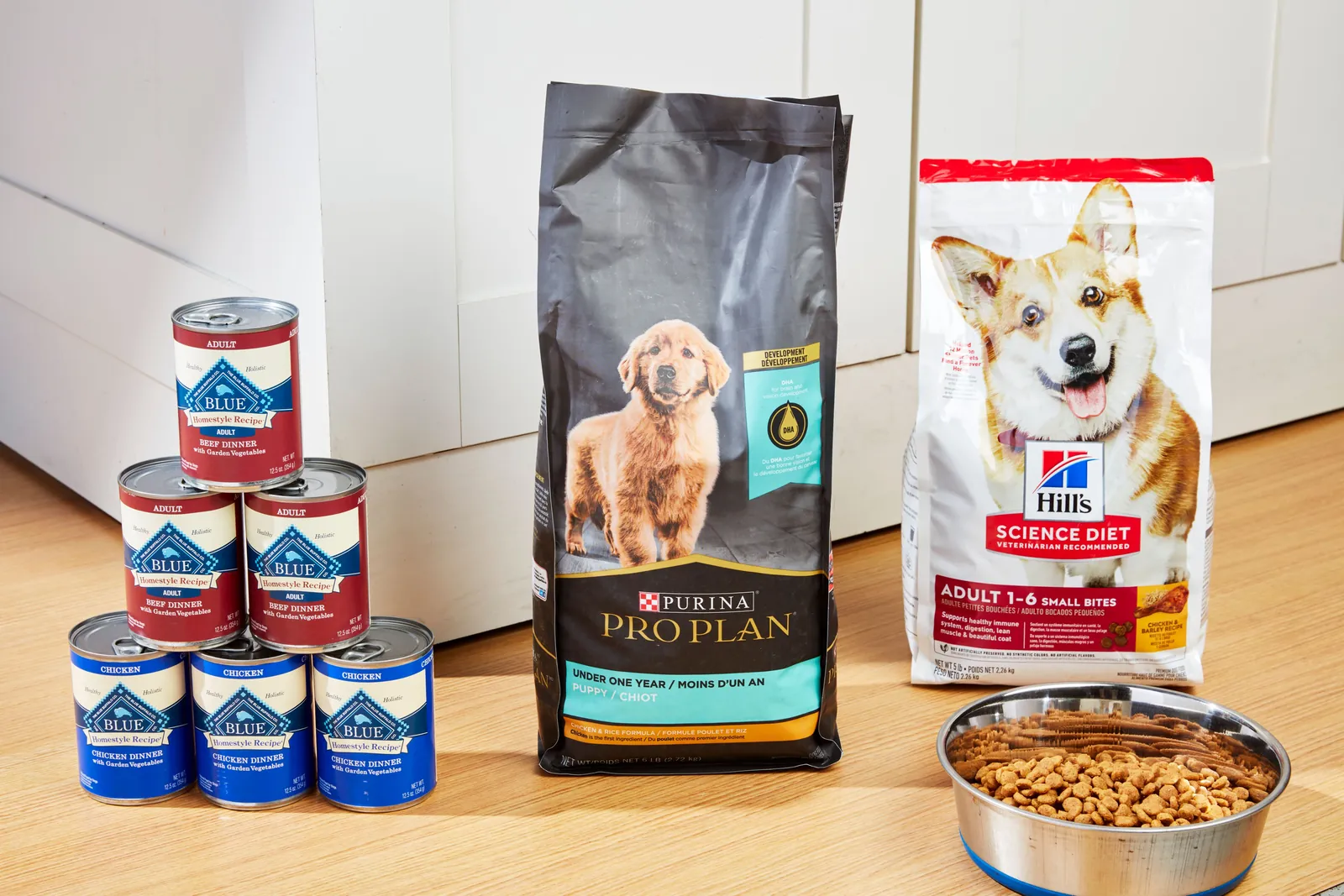
- Ignoring calorie density: Feeding by volume instead of calories causes overweight in low-energy dogs or malnutrition in active ones. Always measure by weight using a kitchen scale and adjust portions based on your dog’s body condition score, not just the bag’s generic chart.
- Chasing exotic proteins: Novel ingredients like kangaroo or bison aren’t inherently superior and often lack extensive feeding trial data. Stick to well-researched protein sources unless your veterinarian diagnoses a specific allergy requiring elimination dieting under supervision.
- Overlooking life stage mismatches: Adult maintenance food lacks the calcium-phosphorus ratio puppies need for bone development, while puppy food excesses strain senior kidneys. Verify the AAFCO statement matches your dog’s current physiological state exactly, not just their chronological age.
- Switching too frequently: Rotating foods weekly prevents proper adaptation and masks true intolerances. Commit to one formula for at least eight weeks before judging effectiveness, as gut microbiome stabilization takes time and constant disruption creates artificial sensitivity.
Frequently asked questions
Can I feed my dog homemade food safely?
Yes, but only with a recipe formulated by a board-certified veterinary nutritionist. Never rely on internet recipes without professional validation and regular blood monitoring.
Why does my dog have diarrhea after switching food?
Diarrhea usually results from transitioning too quickly rather than food intolerance. Extend the transition period to ten days minimum and consult your vet if loose stools persist.
How long should I test a new dog food?
Test each new food for at least four to six weeks before deciding it doesn’t work. Premature switching creates false negatives and prevents identifying successful formulas.
Is grain-free dog food better for allergies?
No, grain-free diets don’t reduce allergy risk and may increase heart disease concerns according to FDA investigations. True food allergies typically involve animal proteins, so veterinary-supervised elimination diets remain the gold standard.
What happens if I miss the AAFCO statement?
Foods without AAFCO statements aren’t nutritionally complete and can cause deficiencies over time. Only use such products as treats or supplements under veterinary guidance, never as primary nutrition.
How much should I feed my adult dog daily?
Start with the manufacturer’s guideline for your dog’s target weight, then adjust 10-20% based on body condition scoring every two weeks. Calorie needs vary significantly by metabolism and activity, so treat package directions as baselines rather than fixed rules.
Conclusion
Your dog’s ideal food is the one they thrive on consistently, not the one with the most impressive marketing or highest price tag. Trust observable health markers over trends, and partner with your veterinarian to navigate choices that genuinely support your pet’s individual needs rather than chasing perfection that doesn’t exist.