
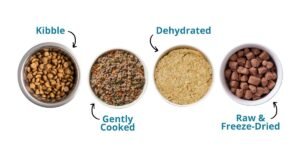
Choosing the best dog food for your pet depends on individual needs that vary by age, breed, and health status.
Choosing the right diet is about matching the energy density and nutrient balance to your dog’s current activity level. If your dog is a high-energy working breed, they need more calories than a sedentary senior dog.
The most common mistake owners make is choosing food based on marketing trends or human-grade ingredients rather than proven nutritional science. This often leads to dogs missing essential vitamins or getting too much of a specific mineral, which can cause long-term health issues over several years.
Selecting the Best Dog Food
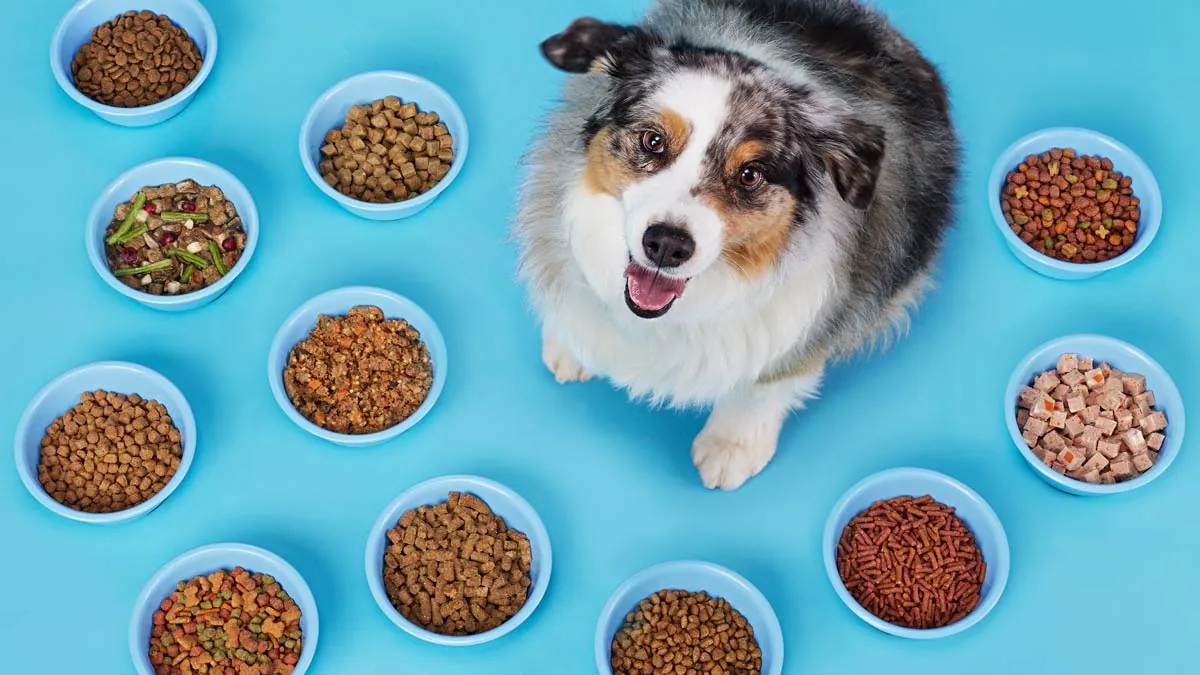
You should follow these steps to ensure you provide the right fuel for your companion. If your dog has a medical condition, always consult your veterinarian before changing their diet, as they may require a prescription-only formula.
- Check the bag for an AAFCO statement that explicitly says the food is “complete and balanced” for your dog’s life stage, such as puppy or adult maintenance.
- Calculate the daily caloric needs based on your dog’s weight and activity level; most manufacturers provide a feeding guide on the back of the package.
- Observe your dog’s body condition score; if you can easily see their ribs or if they have no waist, adjust the portion size by 5% to 10% accordingly.
- Introduce the new food slowly over 7 to 10 days by mixing increasing amounts of the new brand with the old one to avoid digestive upset.
- Monitor your dog’s stool quality and energy levels during the transition; if they experience vomiting or diarrhea, stop the change and contact a vet.
Tip: Avoid “all life stage” foods if you have a large-breed puppy, as these may contain incorrect calcium levels for their rapid growth.
Determining Your Dog’s Feeding Timeline
The time it takes to see the benefits of a new diet varies depending on the dog’s metabolism and the quality of the previous food. This table outlines what you can expect when switching to a new brand.
| Situation | How long | What changes it | What to watch for |
|---|---|---|---|
| Healthy adult transition | 7–10 days | Digestive sensitivity | Stool consistency |
| Weight loss plan | 8–12 weeks | Exercise frequency | Body condition score |
| Senior diet change | 4–6 weeks | Metabolism speed | Coat and skin health |
If your dog still shows signs of poor digestion after two weeks on a new food, consult a professional to rule out food allergies.
Signs of a Quality Diet
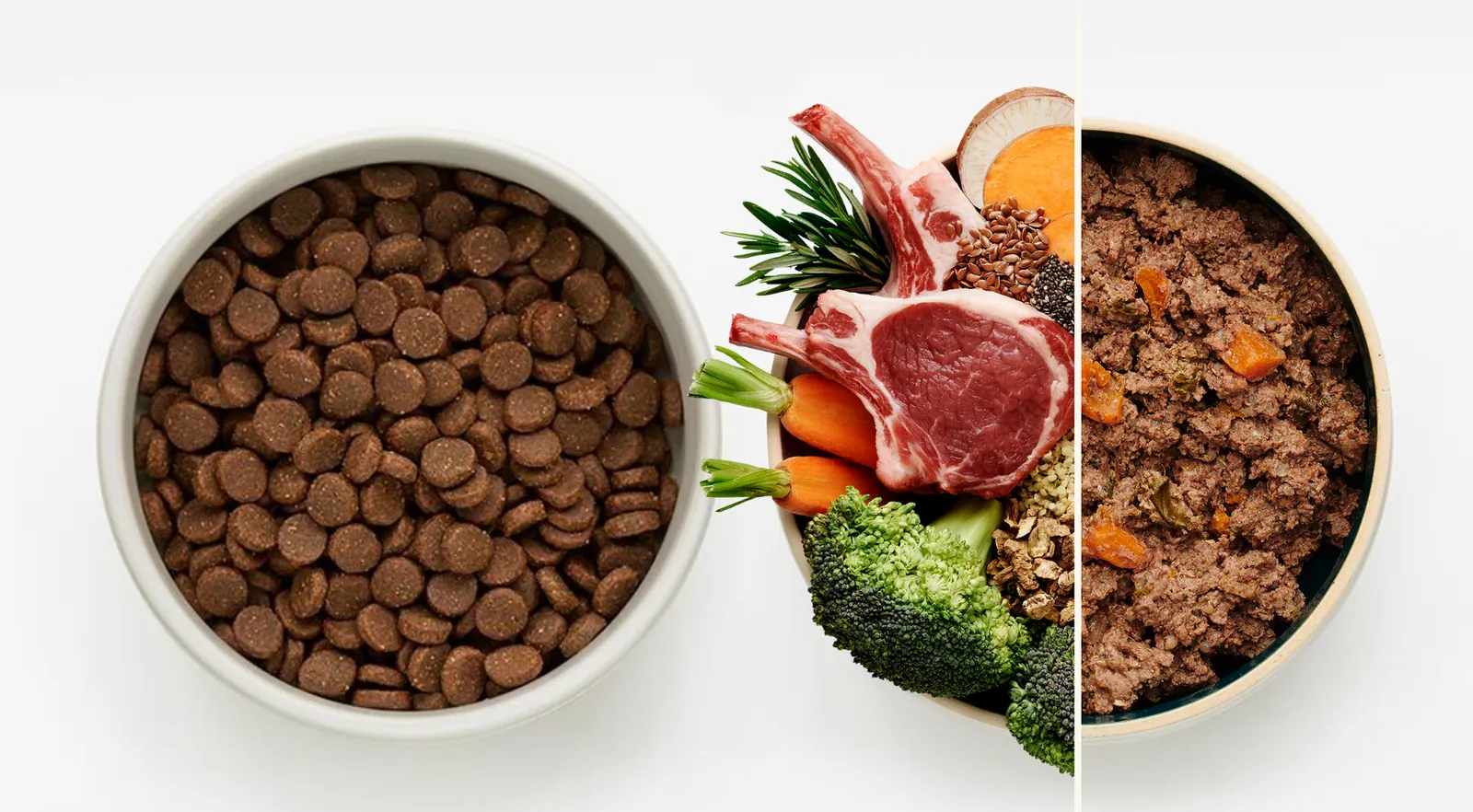
You can tell if a food is working by looking at your dog’s physical appearance and behavior. A healthy dog on a proper diet should have a shiny coat, clear eyes, and firm, consistent stools. They should maintain a steady weight without excessive hunger or lethargy.
If you notice a dull coat or persistent scratching, the current food may lack the necessary fatty acids or could be causing an allergic reaction. The most reliable test is a check-up with your vet to ensure their blood work and weight remain within a healthy range.
Mistakes That Impact Health
- Ignoring life stage labels: Feeding puppy food to an adult can lead to rapid weight gain, while feeding adult food to a puppy can cause skeletal development issues. Always match the bag’s designation to your dog’s actual age.
- Over-relying on ingredient lists: People often think meat as the first ingredient is the only thing that matters, but this ignores the nutrient balance of the entire recipe. Look at the guaranteed analysis instead of just the marketing claims on the front of the bag.
- Giving too many treats: Extra snacks can easily account for 20% of a dog’s daily calories, leading to obesity. Keep treats to less than 10% of their total daily intake to maintain a balanced diet.
Frequently asked questions
How much should I feed my dog daily?
The amount depends on the calorie density of the specific food and your dog’s weight, usually listed on the bag’s feeding chart. Start with the lowest recommended amount for your dog’s weight range and adjust based on their activity level and body condition score over the next few weeks.
Is grain-free food better for dogs?
No, grain-free food isn’t medically necessary for most dogs unless they have a diagnosed grain allergy. Many dogs thrive on diets that include high-quality grains like brown rice or oats, which provide essential fiber and energy for their daily activities and long-term digestive health.
How do I know if my dog has a food allergy?
Signs of a food allergy include chronic ear infections, itchy skin, and frequent digestive issues like vomiting or diarrhea. If you notice these symptoms, a veterinarian must perform an elimination diet to identify the specific protein or ingredient causing the reaction instead of guessing.
Should I change my dog’s food often?
No, you shouldn’t change your dog’s food frequently because it can cause significant digestive distress. Stick to one high-quality, nutritionally complete brand that works for your dog unless your veterinarian recommends a change due to health concerns or a shift in their specific life stage.
Can I mix wet and dry food?
Yes, you can mix wet and dry food as long as you account for the total calories from both sources to prevent overfeeding. This can be a great way to improve hydration and appeal to picky eaters, provided the combined total stays within your dog’s daily caloric limit.
Is expensive dog food always better?
No, the price doesn’t always guarantee better nutrition, as some premium brands spend more on marketing than on clinical feeding trials. Look for brands that invest in nutritional research and testing rather than just those with fancy packaging or high prices that don’t reflect the actual ingredients.
Conclusion
Choosing a diet for your dog is a long-term commitment to their health and well-being. By focusing on verified nutrient profiles rather than trends, you ensure your pet gets the balanced energy they need for every stage of their life. Always watch their body condition closely and work with your veterinarian to make adjustments as they age.