
As an Amazon Associate, we earn from qualifying purchases. This post contains affiliate links – if you buy through them, we may earn a commission at no extra cost to you.
Finding the best dry dog food for senior dogs for your companion depends on their specific needs as they age. Every dog enters their senior years with different demands, whether that involves joint support, digestive sensitivity, or weight management. You should choose based on your dog’s activity level and their unique health history rather than general labels. While Purina Pro Plan Senior is often a go-to for its balanced approach, owners of large breeds might find Royal Canin Aging 8+ more suitable for their specific bone and joint requirements.
1. Purina Pro Plan Complete Essentials Senior Dry Dog Food

Best for: A dog that needs a reliable, balanced everyday diet.
This food provides a mix of hard kibble and tender pieces designed to be palatable for older dogs. It focuses on mobility through added glucosamine and EPA, which are essential as your dog’s joints begin to show wear.
The inclusion of guaranteed live probiotics helps support digestive and immune health, which is vital for maintaining comfort in later years. This formula isn’t ideal for dogs with severe food allergies, as it contains chicken as the primary protein source.
Good if:
- You want a mix of textures to encourage eating.
- Your dog needs standard support for joint health.
- You prefer a brand with a long history of senior-specific recipes.
Skip it if:
- Your dog has a known sensitivity to chicken.
- You’re looking for a grain-free diet.
2. Hill’s Science Diet Adult 7+ Dry Dog Food

Best for: Owners focused on long-term heart and kidney health.
This diet is formulated to support vital organs like the heart, kidneys, and bladder through balanced minerals and antioxidants. It uses high-quality protein to help maintain lean muscle mass, which often declines in senior dogs.
Because this food is formulated with natural ingredients, it’s a common choice for those who value veterinary-backed nutrition. However, it may not provide the specific calorie control needed by dogs that have become significantly less active.
Good if:
- You prioritize recommendations from veterinarians.
- You want to support kidney and heart function.
- Your dog does well on a diet with balanced minerals.
Skip it if:
- Your dog requires a high-protein, low-carbohydrate formula.
- Your dog is extremely picky about texture.
3. Blue Buffalo Life Protection Formula Chicken Senior 7+ Dry Dog

Best for: Owners who prefer natural ingredients and added antioxidants.
This formula stands out for its LifeSource Bits, which are a blend of antioxidants and vitamins processed at lower temperatures to keep their potency. It includes glucosamine and chondroitin to assist with mobility and joint health.
The use of wholesome grains like brown rice and oatmeal supports steady energy levels throughout the day.
Good if:
- You want a formula with natural prebiotic fiber.
- You prefer a diet that includes wholesome grains.
- You want extra joint support built into the daily meal.
Skip it if:
- Your dog needs a grain-free diet.
- Your dog is a very large breed with extreme joint demands.
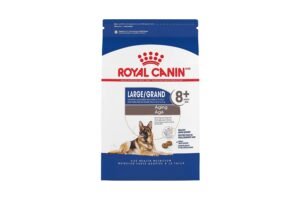
4. Royal Canin Size Health Nutrition Large Aging 8+ Senior Dry

Best for: Large breed seniors needing specific joint and bone support.
Large dogs face unique physical demands as they age, and this food is tailored for those weighing between 56 and 100 lbs. It contains a precise balance of minerals and amino acids to support heart and kidney health.
The kibble is designed to be easy to digest, which helps with stool quality in older, less mobile dogs.
Good if:
- You own a large breed dog over 8 years old.
- You want to combine dry kibble with wet food.
- Your dog needs support for bone and joint health.
Skip it if:
- You have a small or medium-sized dog.
- You’re looking for a raw-meat-focused diet.
5. VICTOR Purpose Senior

Best for: Senior dogs that need help managing their weight.
If your dog has become less active, this formula uses L-Carnitine and a gluten-free approach to help maintain a healthy weight. It includes the brand’s proprietary VPRO blend of vitamins and minerals designed to maximize their genetic potential.
The inclusion of beef, fish, and chicken meals provides a variety of protein sources. This isn’t the best option for a senior dog that’s underweight or struggling to maintain muscle mass due to high activity needs.
Good if:
- Your dog needs assistance with weight management.
- You prefer a gluten-free grain option.
- You want a formula with added L-Carnitine.
Skip it if:
- Your dog is highly active and needs more calories.
- You prefer a formula with traditional grains.
6. Purina Pro Plan Sensitive Skin & Stomach Dry Dog Food

Best for: Dogs with delicate stomachs or sensitive skin.
This formula uses salmon as the primary protein, which is often easier for sensitive dogs to process than chicken. It includes oatmeal and rice to ensure the food is gentle on the digestive tract.
With 29% protein, it doesn’t sacrifice muscle maintenance for digestive comfort. This may not be the right choice for dogs that have no history of skin or stomach issues and prefer meatier, chicken-based formulas.
Good if:
- Your dog has a history of skin or stomach sensitivities.
- You want a high-protein diet for lean muscle.
- You need a formula with added prebiotic fiber.
Skip it if:
- Your dog prefers chicken-based recipes.
- You’re on a strict budget and don’t need specialized proteins.
7. Wellness Complete Health Age Advantage Senior Dry Dog Food

Best for: Owners wanting a grain-inclusive, natural recipe.
This recipe focuses on whole-body health by excluding corn, wheat, and soy. It uses a combination of chicken and barley to provide a dense, nutritious meal that supports eyes, teeth, and heart health.
The inclusion of probiotics and taurine makes it a well-rounded choice for older dogs.
Good if:
- You want to avoid corn, wheat, and soy.
- You’re looking for a grain-inclusive formula.
- You value recipes developed by animal nutritionists.
Skip it if:
- Your dog has a poultry allergy.
- You prefer a grain-free diet.
8. Blue Buffalo Wilderness Rocky Mountain Recipe Senior Dry Dog Food

Best for: High-protein diets for active senior dogs.
With 28% protein from real red meat, this is a dense option for seniors who still maintain a higher activity level. It includes wholesome grains to balance that protein with the complex carbohydrates needed for energy.
The addition of Omega 3 & 6 fatty acids helps maintain a healthy skin and coat. Because this is a high-protein formula, it might be too rich for dogs with very sedentary lifestyles or those with certain kidney concerns.
Good if:
- Your senior dog is still quite active.
- You prefer a red-meat-based protein source.
- You want a high-protein formula with added omegas.
Skip it if:
- Your dog is very sedentary.
- Your dog has specific kidney health restrictions.
9. Nutro Natural Choice Senior Dry Dog Food
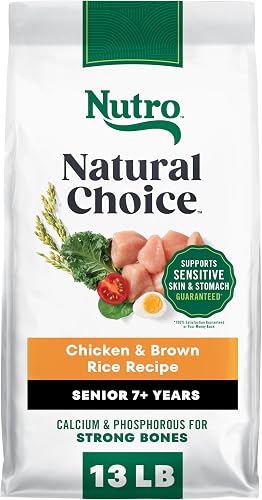
Best for: Small breed seniors needing better nutrient absorption.
This formula uses lamb as the first ingredient and includes beet pulp as a natural prebiotic to assist with digestion. It’s designed to support bone health with a specific ratio of calcium and phosphorus.
The focus on skin and coat health through Omega fatty acids is a strong feature for dogs with dry or dull fur.
Good if:
- Your dog needs support for skin and coat.
- You want a lamb-based protein source.
- Your dog needs help with nutrient absorption.
Skip it if:
- Your dog has advanced dental issues.
- You prefer a chicken-based recipe.
10. Bil-Jac Small Breed Senior Dry Dog Food with Probiotics &

Best for: Small seniors with dental or chewing difficulties.
The soft, porous texture of this kibble is the standout feature, making it much easier for small dogs with missing or sensitive teeth to eat. It’s formulated specifically for small breeds to support vitality without excess calories.
It uses fresh chicken to help maintain muscle mass, and the fiber from yams and oatmeal is gentle on the stomach.
Good if:
- Your dog has sensitive or missing teeth.
- You have a small breed senior dog.
- You need a soft, easy-to-chew kibble.
Skip it if:
- You have a large or giant breed dog.
- Your dog prefers a harder, crunchy kibble texture.
Where These Overlap
Most of these senior foods share a commitment to joint support, typically through added glucosamine and chondroitin. Brands like Blue Buffalo, Wellness, and Purina Pro Plan all prioritize high-quality protein and antioxidants to support aging immune systems. The primary differences lie in the protein source, such as salmon versus chicken or lamb, and the carbohydrate profile. If your dog has no specific sensitivities, many of these options will provide similar baseline nutritional benefits. The decision often comes down to your dog’s personal preference for texture or their specific reaction to certain protein sources.
Still Not Sure?
How often will I really use it?
If you’re feeding your dog twice a day, you need a bag size that stays fresh. Large bags are better for value, but if you have a smaller dog, a large bag might go stale before it’s finished. Choose a smaller bag if you want to ensure the kibble remains fresh throughout the month.
What do I already own that this has to work with?
If you currently use wet food toppers, look for a dry food that complements them. Many manufacturers, such as Royal Canin, offer both wet and dry formulas designed to be mixed. Using a consistent brand for both can help maintain a balanced nutrient profile for your senior dog.
What am I most likely to regret choosing?
The most common regret is ignoring your dog’s specific health history. If your dog has a sensitive stomach, choosing a high-protein, red-meat formula might lead to digestive upset. Always prioritize the protein source your dog has tolerated well in the past to avoid unnecessary transitions and potential illness.
Frequently Asked Questions
What does a senior dog food ask of its owner week to week?
You must monitor your dog’s body condition and energy levels closely. As dogs age, their metabolism shifts, and you may need to adjust the portion size to prevent weight gain or loss. Keeping a consistent feeding schedule helps you spot any changes in appetite that could indicate a health issue.
What has to be replaced or renewed to keep it working?
The most important thing to “renew” is the freshness of the food. Always store the bag in a cool, dry place and keep it sealed tightly to maintain the potency of vitamins and probiotics. If the food is left open, the fats can oxidize, making the food less appealing and nutritious.
What happens when the formula is outgrown or used up?
If your dog’s health needs change, such as developing a new joint issue or a heart condition, you may need to transition to a more specialized veterinary diet. Never switch foods abruptly; mix the new food with the old over 7–10 days to prevent stomach upset during the transition period.
Would the more capable one on this list have suited them better?
If your dog is struggling with mobility despite being on a standard senior food, a formula with higher levels of glucosamine and chondroitin might provide more support. Assessing their specific needs—like whether they need weight management or sensitive skin support—will tell you if you should upgrade to a more targeted, premium formula.
Conclusion
Choosing the right senior food is about matching the product to your dog’s specific stage of life. If your dog needs weight management, VICTOR Purpose Senior is a strong candidate, while Purina Pro Plan Senior remains a reliable choice for general health. Consult your veterinarian to confirm which nutritional profile best suits your dog’s current health requirements.