
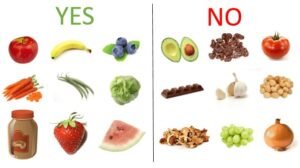
When considering what food should i give to my dog, you must choose a balanced commercial diet formulated for their specific life stage. Because nutritional needs depend on age, activity level, and health status, always select options that meet standards set by veterinary experts.
Safe food to give your dog
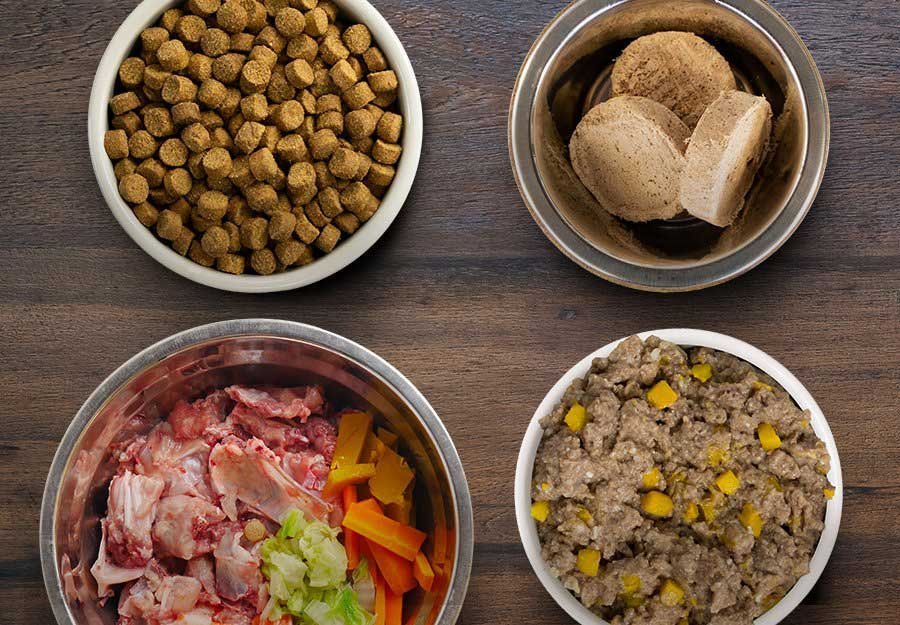
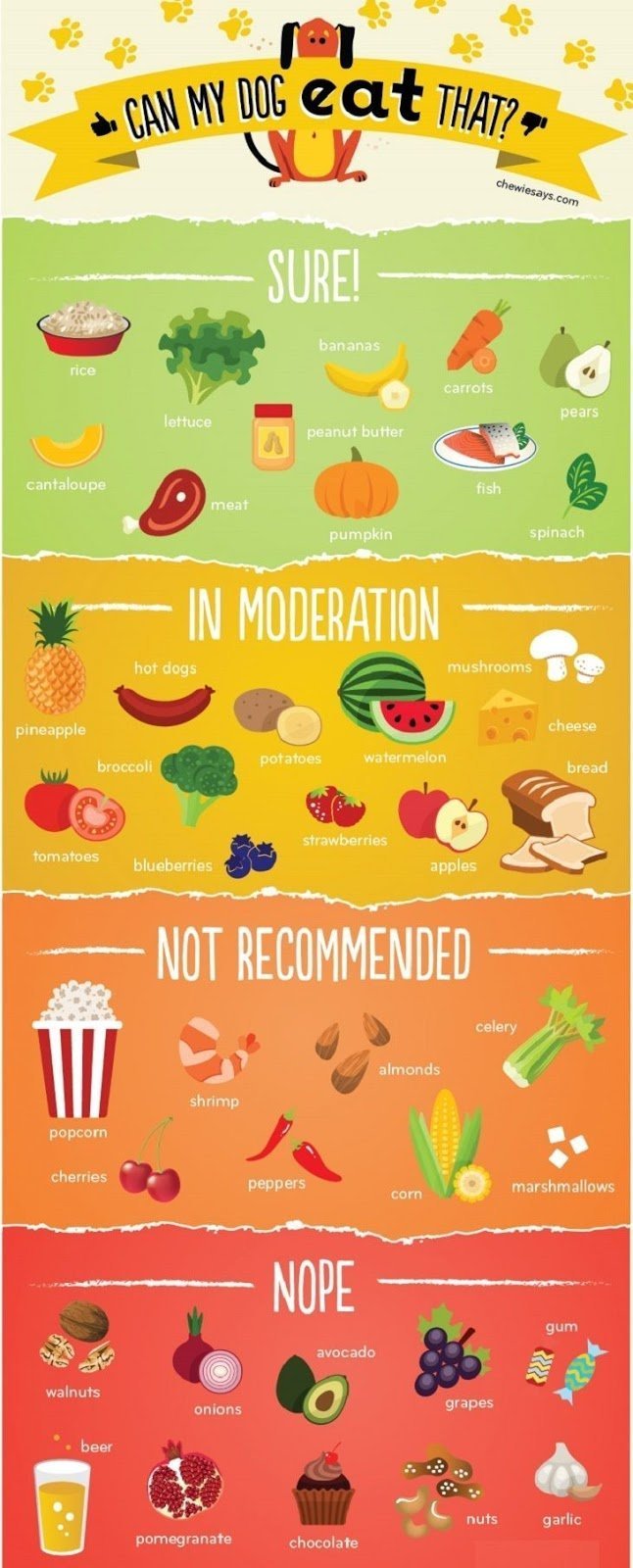
The most common mistake owners make is assuming human food scraps are safe or sufficient for canine health. Many common kitchen ingredients, such as onions, garlic, grapes, and chocolate, are toxic to dogs. A balanced commercial diet is designed to provide the exact ratio of proteins, fats, vitamins, and minerals your pet requires. If you want to introduce home-cooked meals, you must consult a veterinary nutritionist to avoid dangerous nutrient deficiencies or imbalances that can cause long-term organ damage.
Always verify that your chosen pet food meets the AAFCO Dog and Cat Food Nutrient Profiles to ensure it’s nutritionally complete. If your dog has a specific health condition, such as kidney disease or allergies, don’t rely on standard supermarket bags. Instead, talk to your vet about therapeutic diets. If X is a puppy, feed a high-calorie growth formula; if Y is a senior dog, prioritize lower-calorie diets with joint support supplements.
Feeding your pet properly
- Measure food portions using a standard kitchen scale rather than a cup to prevent overfeeding and obesity.
- Divide the total daily amount into two or three smaller meals to keep energy levels stable throughout the day.
- Transition your dog to a new food slowly over seven days by mixing increasing amounts of the new brand with the old one.
- Remove any uneaten wet food after 30 minutes to prevent bacterial growth and spoilage in the bowl.
- Provide fresh, clean water in a stainless steel or ceramic bowl at all times, washing the dish daily with soap. Tip: Don’t use plastic bowls, as they can develop small cracks that harbor bacteria even after washing.
- Consult your veterinarian before adding supplements, as some vitamins can be toxic if given in excess. Tip: Never feed your dog bones, as they can splinter and cause severe internal damage or choking.
Factors affecting meal times
| Situation | Frequency | What changes it | What to watch for |
|---|---|---|---|
| Puppy (under 6 months) | 3-4 times daily | Rapid growth needs | Weight gain trends |
| Adult dog | 2 times daily | Activity level | Rib visibility |
| Senior dog | 2 times daily | Metabolism slowing | Joint stiffness |
If your dog consistently leaves food behind, check with your vet, as this can be a sign of dental pain or illness rather than just pickiness.
Signs of a healthy diet
You can tell if a diet is working by observing your dog’s body condition, energy, and coat. A healthy dog should have a visible waist when viewed from above and be able to feel the ribs without a thick layer of fat. The coat should be shiny, not dull or brittle. Monitor for consistent, firm stools, as loose or frequent bowel movements often indicate the food isn’t being digested properly. If you notice persistent itching, skin redness, or ear infections, the current food may contain an allergen, and you should discuss a trial elimination diet with your professional veterinarian.
Mistakes that ruin it
- Free-feeding dry kibble: Leaving a full bowl out all day leads to obesity because dogs often eat out of boredom rather than hunger.
- Adding too many treats: Extra snacks should never exceed ten percent of your dog’s total daily calorie intake to avoid nutritional gaps.
- Ignoring the transition period: Switching brands instantly often causes severe digestive upset, including vomiting and diarrhea, because the gut bacteria can’t adapt quickly.
- Feeding low-quality fillers:
Frequently asked questions
Can I feed my dog raw meat?
No, raw meat carries a high risk of bacterial contamination like Salmonella and E. coli, which can make both your dog and your family sick. Most veterinarians strongly advise against raw diets due to these safety concerns and the difficulty in balancing raw ingredients correctly at home.
Why is my dog eating grass?
It’s a common behavior that usually doesn’t indicate a medical problem, though some dogs do it when they feel mild stomach discomfort. If your dog eats grass very frequently or shows signs of vomiting, check with your veterinarian to rule out underlying gastrointestinal issues or nutritional deficiencies.
How much water should a dog drink?
A healthy dog typically drinks about one ounce of water per pound of body weight each day. This amount will increase if the weather is hot or if your dog has been exercising, but sudden changes in thirst can be an early sign of diabetes or kidney disease.
Is it safe to feed my dog table scraps?
No, feeding table scraps is dangerous because many human foods contain high levels of salt, fat, or hidden toxins like xylitol. These additions disrupt the carefully balanced nutrition of their main meals and often lead to obesity, pancreatitis, or accidental poisoning from common household ingredients.
What happens if I change my dog’s food too fast?
Changing food too quickly will likely cause gastrointestinal distress, resulting in loose stools, vomiting, or gas. The digestive system needs time to adjust to new proteins and fiber sources, which is why a gradual seven-day transition is necessary to keep your pet comfortable and healthy.
Final Thoughts
Your vet is your best resource for choosing the right bowlful for your furry friend. Don’t hesitate to schedule a quick check-up if you’re unsure about the best brand or portion size. They’ll help you make sure your companion’s diet isn’t just tasty, but perfectly suited for a long, happy life.