

If you are asking what food should i be feeding my dog, you should provide a nutritionally complete, balanced commercial diet that meets AAFCO standards for their life stage to ensure they stay healthy.
Understanding Nutritional Needs
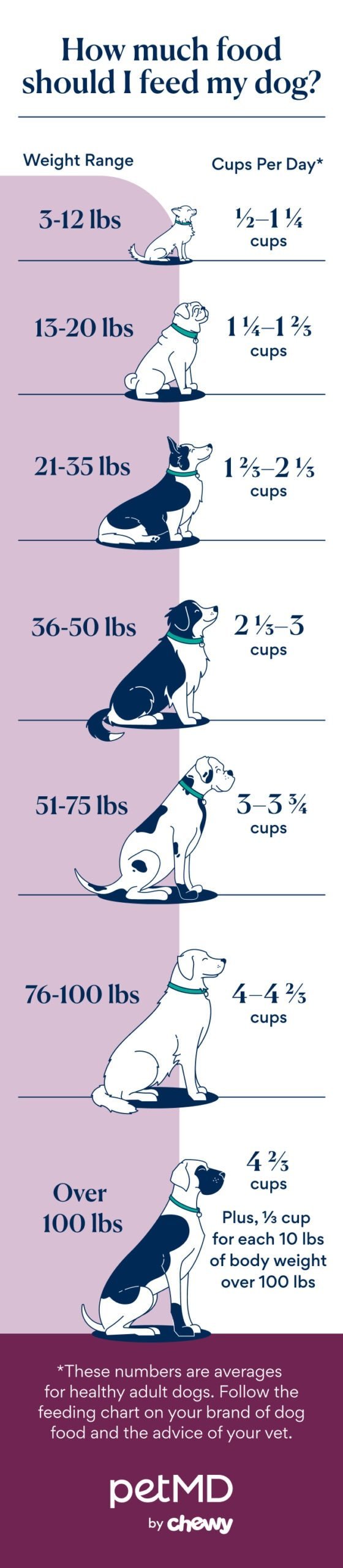
The most important factor in dog nutrition is the life stage of your animal. Puppies, adults, and seniors have different needs for protein, fat, and minerals. A puppy needs a diet that supports growth, while an adult requires maintenance-level nutrition. If your dog is a large breed, look for formulas specifically labeled for large-breed growth to manage joint health.
The most common mistake people make is assuming human food scraps are safe or balanced. Feeding table scraps often leads to obesity or nutritional imbalances, as these foods rarely meet the specific mineral ratios dogs require. Always check the label for an AAFCO statement confirming the food is complete and balanced for your pet’s age.
Establishing a Feeding Routine
- Calculate your dog’s daily caloric needs based on their current weight and activity level, usually found on the bag or through your veterinarian.
- Divide the total daily amount into two or three meals to help with digestion and keep your dog’s energy levels stable.
- Use a standardized measuring cup to ensure you aren’t overfeeding, as even small extras can quickly lead to weight gain.
- Transition to a new food slowly over 7 to 10 days by mixing increasing amounts of the new food with the old.
- Store dry kibble in an airtight container in a cool, dry place to prevent fats from going rancid.
Tip: If your dog refuses to eat the new food, don’t force it. If they miss more than two meals, contact your vet, as this could indicate an underlying issue.
Daily Caloric Requirements
Photo: www.precisionlandscape-inc.com on Google
| Activity Level | Daily Calories (per 10 lbs) | Adjustment Factor | Watch For |
|---|---|---|---|
| Sedentary | 250 kcal | Reduce by 10% | Weight gain |
| Moderate | 350 kcal | Baseline | Stable weight |
| High Performance | 500+ kcal | Increase by 20% | Lethargy |
This assumes a standard healthy metabolism; for dogs with specific health conditions, you must consult your veterinarian to adjust these numbers. If your dog continues to gain weight despite following the label, reduce the portion size by 5% and monitor for two weeks.
Signs of a Healthy Diet
You can tell if a food is working by observing your dog’s coat, energy, and stool quality. A high-quality diet usually results in a shiny, soft coat and firm, consistent stools. Your dog should maintain a steady weight where you can feel their ribs but not see them clearly. According to the AAFCO guidelines on pet food labeling, a product must list its nutritional adequacy to be legally sold as a complete meal. If your dog shows persistent skin irritation, digestive upset, or extreme lethargy, the food may not be the right fit for their system.
Mistakes that ruin it
- Feeding by volume instead of weight: Many people use a random cup rather than a precise measuring tool, which leads to significant overfeeding. Use a kitchen scale for accuracy if your dog is prone to gaining weight.
- Adding too many treats: Treats should never make up more than 10% of your dog’s daily calories. If you give treats, subtract that amount from their main meal to avoid caloric surplus.
- Ignoring the transition phase: Switching foods instantly often causes severe diarrhea and stomach pain. Always take at least one full week to gradually mix the new food with the old.
- Overlooking expiration dates: Rancid fats in old or improperly stored food can cause illness. Check the date on the bag and discard any kibble that smells stale or “off.”
Frequently asked questions
Photo: www.taekwondoluxembourg.com on Google
Can I feed my dog a homemade diet?
Yes, but you must work with a board-certified veterinary nutritionist to create a recipe that’s nutritionally balanced. Homemade diets often lack the precise calcium-to-phosphorus ratios required for long-term health, which can lead to serious bone and organ issues if you just guess the ingredients.
Why is my dog a picky eater?
Your dog may be picky because they’re used to high-value human food or because the current kibble doesn’t appeal to their senses. If your dog is healthy, try warming the food slightly or adding a small amount of warm water to release the aromas.
How long can I leave wet food out?
You should remove wet food after 30 to 60 minutes if your dog hasn’t finished it. Wet food spoils quickly at room temperature, which encourages bacterial growth and can lead to severe stomach upset or food poisoning if consumed later.
Is grain-free food better for dogs?
No, there’s no scientific evidence that grain-free diets are better for the average healthy dog. Unless your veterinarian has diagnosed a specific grain allergy, grains provide essential fiber and nutrients that support a healthy digestive tract and consistent energy levels throughout the day.
What happens if I feed my dog too much?
Feeding your dog too much leads to obesity, which puts dangerous stress on their joints and heart. Overweight dogs are at a much higher risk for diabetes, arthritis, and breathing difficulties, all of which significantly shorten their lifespan and reduce their overall quality of life.
Is it safe to feed dogs raw meat?
No, feeding raw meat carries a high risk of bacterial contamination, such as Salmonella or Listeria, which can infect both your dog and your family. The American Veterinary Medical Association advises against feeding raw or undercooked animal-source protein due to these significant public health risks.
Final Thoughts
Choosing the right bowl filler doesn’t have to be a guessing game. If you’re still unsure about the best brand for your furry friend, don’t hesitate to give your vet a quick call. They’ll help you pick a high-quality option that’ll keep your pup’s tail wagging for many happy years to come.