
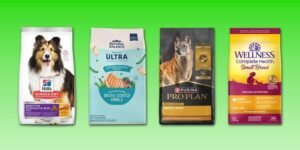
The safest healthiest dog food is one that meets the nutritional standards set by the Association of American Feed Control Officials (AAFCO) for your dog’s specific life stage. There’s no single “best” brand, as the right choice depends on your dog’s age, weight, and any diagnosed medical conditions.
The most important factor is ensuring the bag has an AAFCO nutritional adequacy statement. This label confirms the food provides complete and balanced nutrition for either growth, reproduction, or adult maintenance. A common mistake is choosing a food formulated only for adult maintenance for a puppy, as it won’t contain the specific calcium-to-phosphorus ratios needed for growth. Always check the specific life stage label on the package before buying.
Choosing the safest and healthiest food
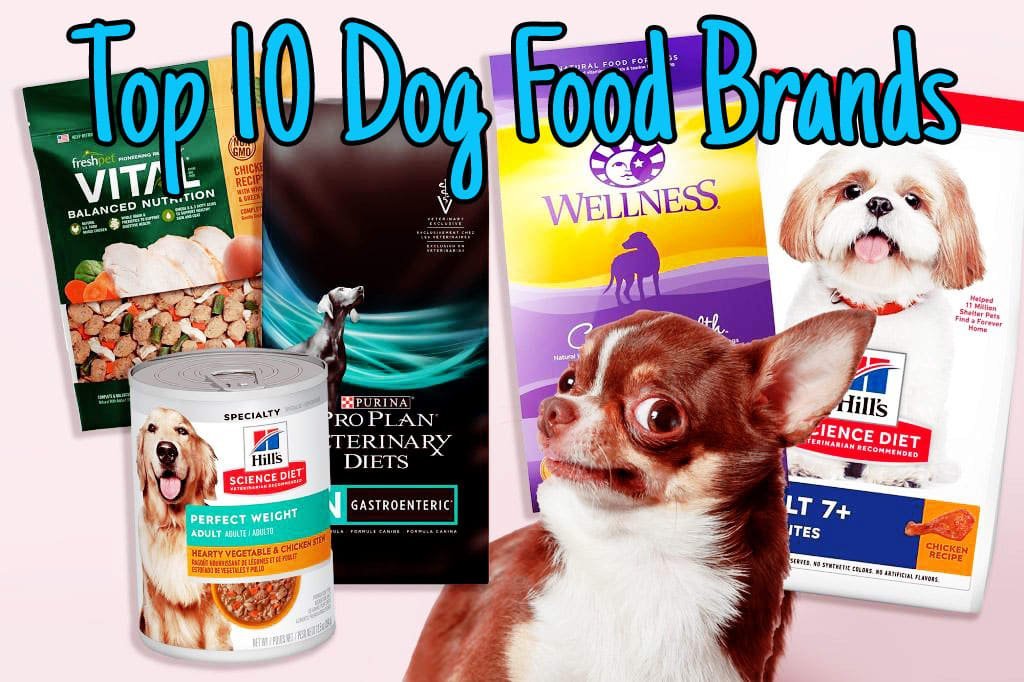
- Check the packaging for the AAFCO statement to ensure the food is formulated for the correct life stage of your dog.
- Consult your veterinarian about your dog’s specific caloric needs, as these change based on activity level and breed.
- Introduce new food by mixing it with the old brand over 7 to 10 days to prevent digestive upset.
- Measure portions using a standard kitchen scale rather than a cup to avoid overfeeding and obesity.
- Store dry kibble in its original bag inside an airtight container to keep it fresh and prevent mold or pest contamination.
Tip: If your dog has a sensitive stomach, look for a limited-ingredient diet, but only after a vet confirms there’s no underlying illness.
Tip: Never feed your dog raw meat-based diets without professional guidance, as the U.S. Food and Drug Administration warns these can carry harmful bacteria like Salmonella and Listeria.
Timeframes for Diet Transitions
Transitioning to a new diet requires patience to allow the dog’s gut microbiome to adapt. If you switch too quickly, you risk causing diarrhea or vomiting, which may lead to dehydration.
| Transition Phase | Duration | What changes it | What to watch for |
|---|---|---|---|
| Days 1-3 | 25% new, 75% old | Sensitivity levels | Loose stools |
| Days 4-6 | 50% new, 50% old | Dog’s age | Refusal to eat |
| Days 7-9 | 75% new, 25% old | Past health issues | Vomiting |
| Day 10 | 100% new | Digestive speed | Energy levels |
If your dog shows signs of distress for more than 48 hours, stop the transition and contact your veterinarian.
Signs of a Healthy Diet
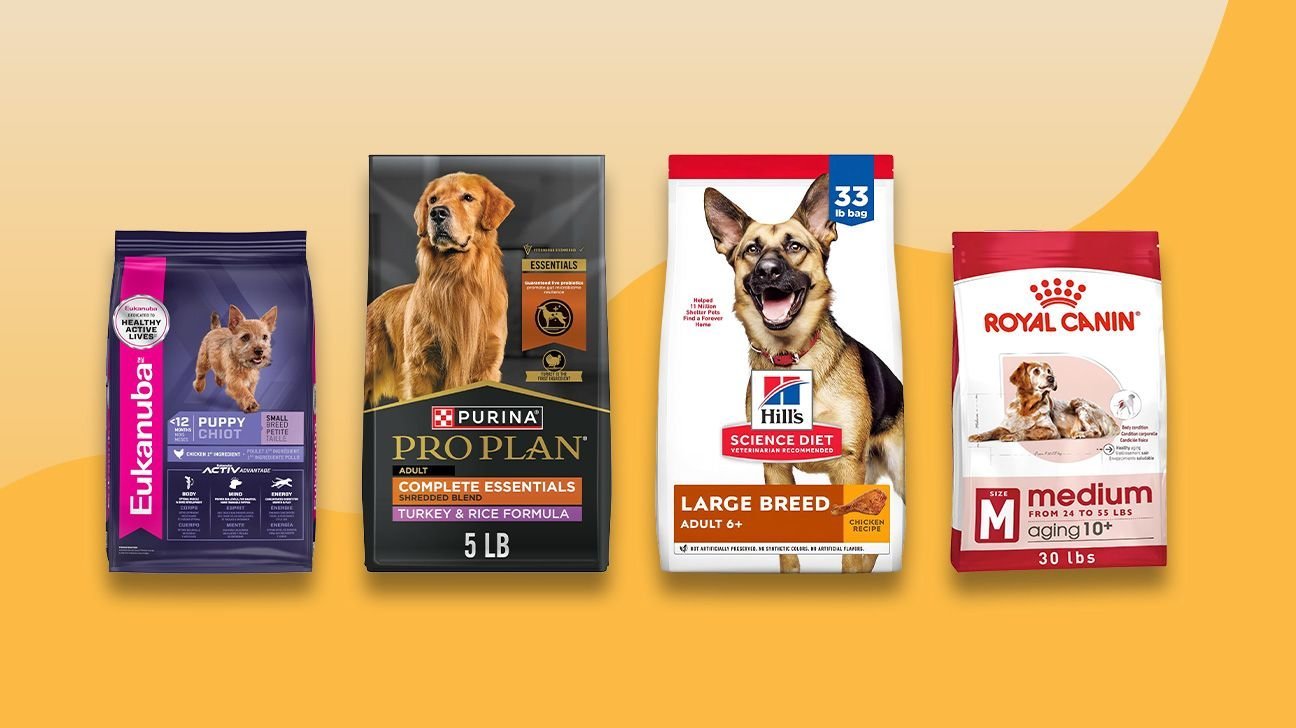
You can tell if a food is working by observing your dog’s physical condition over four to six weeks. A healthy dog should maintain a consistent, lean body weight where you can feel their ribs without pressing hard. Their coat should be shiny and soft, not brittle or dull. Furthermore, their energy levels should remain steady throughout the day, and their stool should be firm and consistent in frequency. If your dog experiences sudden weight gain or loss, this is a sign that the caloric density or the nutrient profile of the food isn’t right for their metabolism.
Common Nutritional Mistakes
- Overfeeding treats: Owners often forget that treats can account for up to 10% of a dog’s daily calories, leading to rapid weight gain. Always reduce the main meal size if you give extra treats during the day.
- Ignoring the expiration date: Feeding expired kibble risks rancid fats and mold growth, which can make a dog very sick. Check the date on the bottom of the bag and discard any food past its prime.
- Skipping vet checks: A food that’s healthy for one dog might be inappropriate for another with early-stage kidney or heart issues. Rely on your veterinarian to interpret blood work rather than guessing based on marketing claims.
- Adding human food: Mixing in table scraps adds unpredictable salt and fat, which can trigger pancreatitis. Stick to dog-specific nutrition unless your vet suggests otherwise.
Frequently asked questions
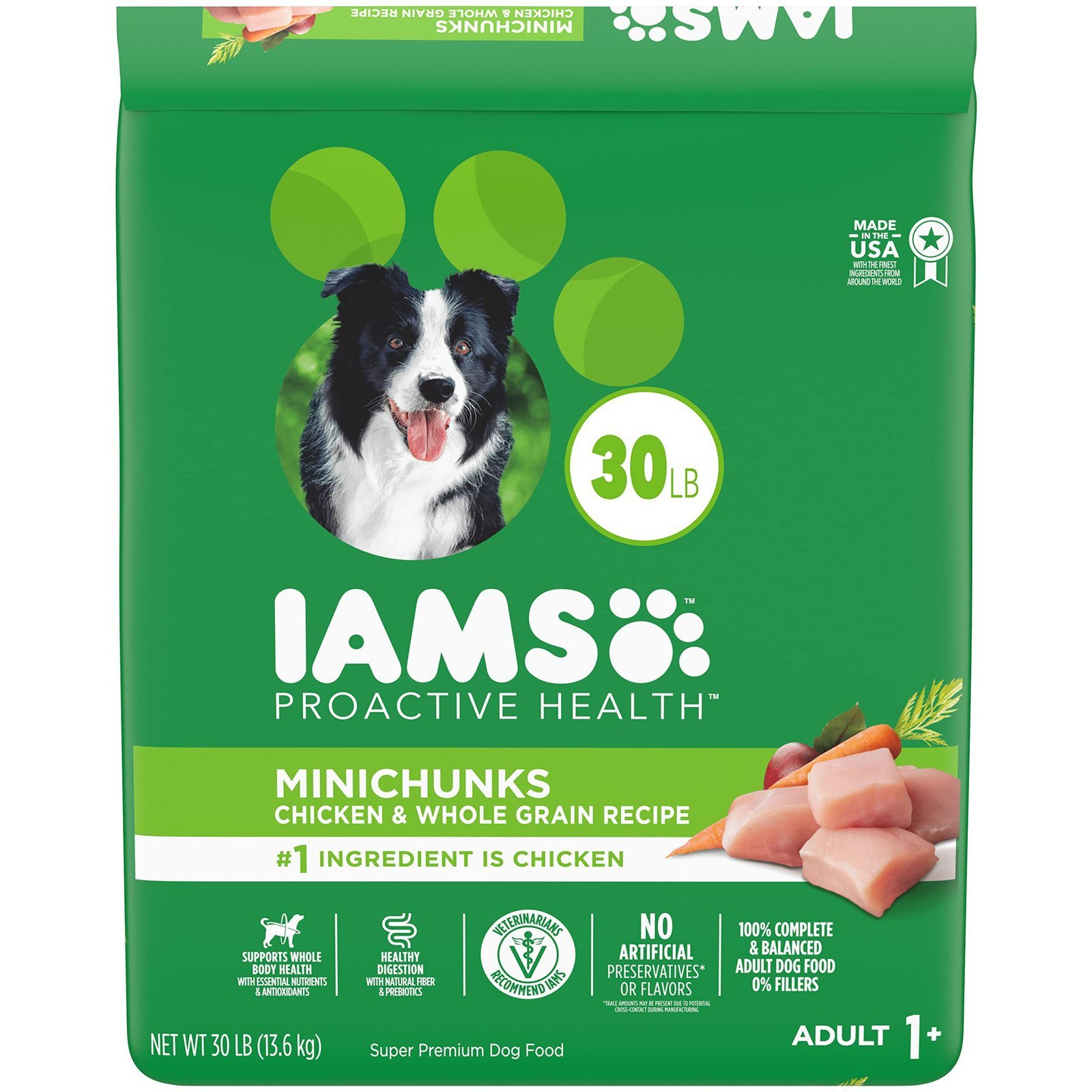
How much should I feed my dog daily?
You should feed your dog based on the calorie count per cup listed on the bag, typically following the manufacturer’s weight-based chart. A standard 50-pound adult dog with moderate activity needs about 900 to 1,000 calories per day, but this varies based on your specific brand’s energy density.
Is grain-free food healthier for dogs?
No, grain-free food isn’t inherently healthier unless your veterinarian has diagnosed a specific grain allergy in your dog. Most dogs digest grains like rice or oats easily, and these provide necessary fiber for a healthy digestive system.
How often should I change my dog’s food brand?
You don’t need to change your dog’s food brand if they’re thriving, maintaining a healthy weight, and have a shiny coat. Consistency is generally better for a dog’s digestive health than frequent rotation, unless your veterinarian recommends a change for a medical reason.
Can I feed my dog human food?
You can feed your dog small amounts of plain, cooked vegetables like green beans or carrots, but never feed them onions, garlic, grapes, or chocolate. These items are toxic to dogs and can cause severe organ damage even in very small quantities.
Is wet food better than dry kibble?
No, neither is better; wet food and dry kibble are both safe if they meet the AAFCO nutritional standards. Wet food helps with hydration, while dry kibble is more convenient for storage and may help reduce tartar buildup on teeth.
What if my dog refuses to eat the new food?
If your dog refuses the new food, try mixing in a small amount of warm water or low-sodium chicken broth to increase the aroma. If they still refuse to eat for more than 24 hours, contact your veterinarian to rule out a medical issue or dental pain.
Conclusion
Choosing the right food for your dog is a long-term commitment to their health. By focusing on nutritional labels, monitoring their body condition regularly, and working closely with your veterinarian, you can ensure they receive the balanced diet they need to live a long, active life.
Related guides