

The healthiest dog food out there’s one that meets the nutritional standards set by the Association of American Feed Control Officials (AAFCO) for your dog’s specific life stage. No single brand is best for every dog, as individual health, age, activity level, and allergies determine what your pet needs.
When you look for food, you must check the label for an “AAFCO Statement of Nutritional Adequacy.” This ensures the product provides complete and balanced nutrition rather than being intended for intermittent or supplemental feeding. If the label doesn’t have this statement, don’t feed it as your dog’s primary diet, as it may lack essential vitamins or minerals.
The most common mistake owners make is choosing food based on marketing buzzwords like “holistic” or “human-grade” instead of looking at the nutrient profile. These terms aren’t regulated in the same way as nutritional standards, meaning they don’t guarantee the food is actually better for your pet.
Finding the healthiest food for your dog
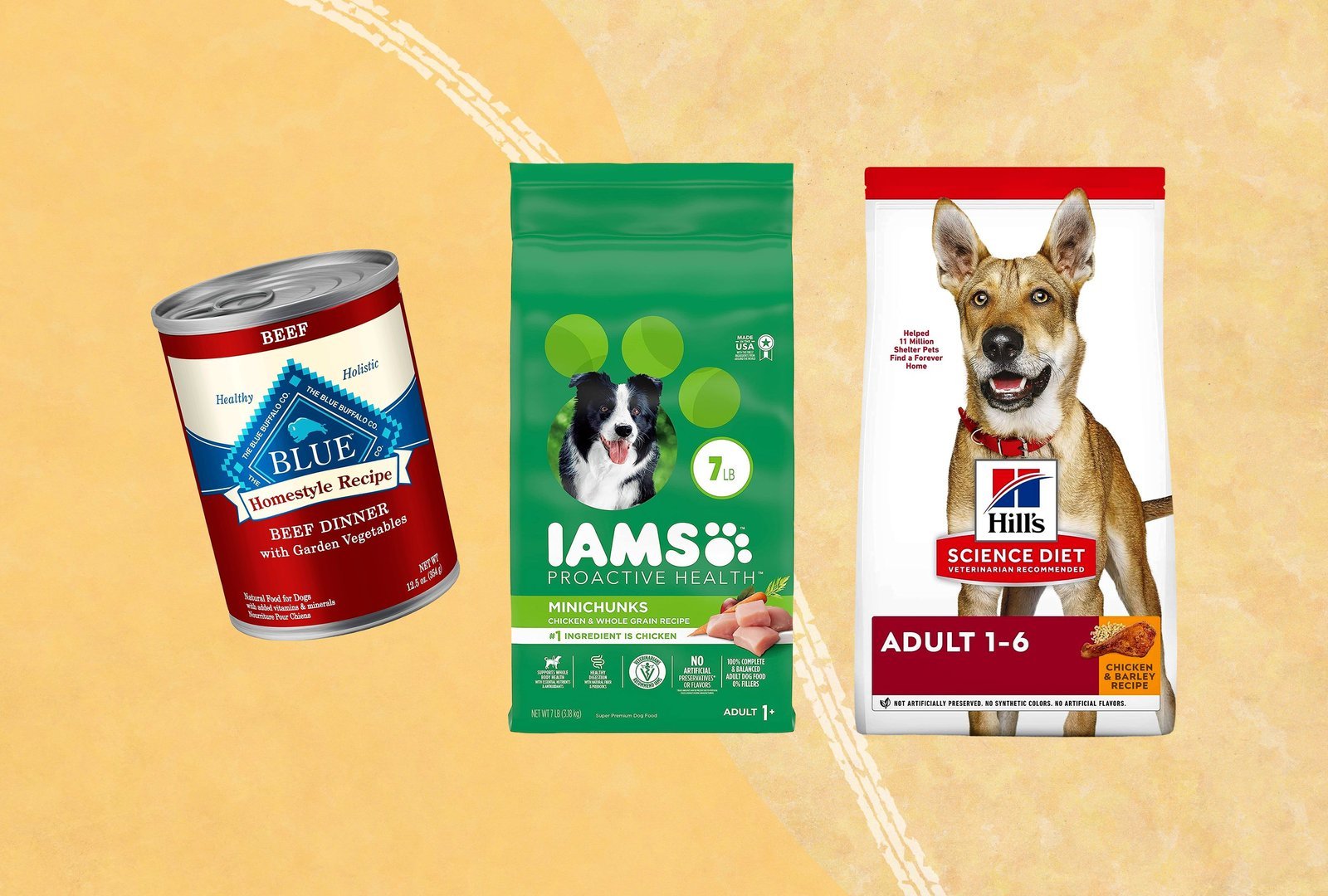
- Identify your dog’s current life stage, such as puppy, adult, or senior, as their needs change significantly over time.
- Search for the AAFCO statement on the packaging, which confirms the food has been tested or formulated to meet AAFCO nutritional guidelines.
- Consult your veterinarian about your dog’s specific health profile, especially if they have sensitivities or breed-specific risks.
- Transition your dog to new food slowly over 7 to 10 days by mixing increasing amounts of the new food with the old.
- Monitor your dog’s body condition and energy levels during the change to ensure the new diet supports their weight.
Tip: If your dog experiences loose stools or vomiting during a transition, slow down the process by keeping the ratio of new to old food the same for an extra 3 days.
Timeframes for nutritional transitions
| Life Stage | Transition Period | What changes it | What to watch for |
|---|---|---|---|
| Puppy | 7 days | Growth rate | Rapid weight gain |
| Adult | 10 days | Activity level | Weight maintenance |
| Senior | 14 days | Metabolic rate | Reduced appetite |
If your dog refuses to eat or shows signs of distress for more than 48 hours after starting a new food, stop the change and contact your veterinarian.
Signs of a healthy diet
Photo: www.frysfood.com on Google
You can tell if a food is working by observing your dog’s physical condition. A healthy, well-fed dog should have a shiny coat, clear eyes, and firm, consistent stools. They should maintain a steady weight, where you can feel their ribs without seeing them clearly, and they should have consistent energy levels throughout the day. If your dog becomes lethargic or develops dry, flaky skin, the food may not be providing the right balance of fats or proteins for their specific metabolism. When in doubt, a physical exam by a vet is the only way to confirm if a diet is truly meeting your dog’s needs.
Common mistakes in feeding
- Overfeeding based on bag instructions: Many bags suggest a range, but your dog’s metabolism depends on their activity level; start at the lower end of the recommended range and adjust up only if your dog loses weight.
- Ignoring calorie density: Foods vary widely in calories per cup, so switching brands without checking the kcal/cup can lead to accidental weight gain.
- Frequent diet rotation: While variety sounds nice, changing foods constantly can cause digestive upset in dogs with sensitive stomachs; stick to one high-quality, balanced formula unless a vet recommends otherwise.
- Adding too many human treats: Treats should make up no more than 10% of your dog’s daily calories, or you risk unbalancing the carefully measured nutrients in their primary food.
Frequently asked questions
Can I feed my dog a grain-free diet?
Yes, but you should only do so if your veterinarian recommends it for a specific allergy. Recent research has looked into potential links between grain-free diets and heart issues in certain breeds, so don’t make this switch without professional guidance to ensure your dog is still getting proper nutrients.
How do I know if my dog is allergic to their food?
Common signs of food allergies include chronic ear infections, itchy skin, and recurring digestive issues. If you suspect an allergy, don’t guess; see your vet to perform a strict elimination diet trial to identify the specific protein or ingredient causing the reaction.
How much should I feed my dog per day?
The amount depends on your dog’s weight, age, and activity level, which you can find on the feeding chart on the food bag. Start with that amount, but remember that these are just estimates; if your dog starts gaining or losing weight, adjust the portion by 5-10% accordingly.
Is raw food better than kibble?
No scientific consensus confirms that raw food is inherently healthier, and it carries a higher risk of bacterial contamination for both the dog and the household. If you choose a raw diet, you must handle it with strict hygiene protocols to prevent the spread of pathogens like Salmonella.
How often should I change my dog’s food?
You shouldn’t change your dog’s food unless there’s a medical reason or they reach a new life stage. Consistency is key for digestive health, so if your dog is doing well on their current, balanced diet, there’s no need to switch brands or formulas.
What is the most important ingredient in dog food?
The most important factor is the overall balance of proteins, fats, vitamins, and minerals for your dog’s life stage. No single ingredient like “chicken” or “beef” is a magic bullet; the quality of the entire formula is what determines how well your dog thrives.
Conclusion
Your dog’s health depends on consistent, balanced nutrition that matches their life stage and individual needs. Always prioritize the AAFCO adequacy statement on the label and work with your veterinarian to monitor your dog’s weight and condition. By avoiding unnecessary diet changes and keeping treats to a minimum, you ensure your dog gets the full benefit of their balanced meals every day.