

You can identify the safest and healthiest dog food by looking for products that meet the nutritional standards set by the Association of American Feed Control Officials. These products provide complete and balanced nutrition for your dog’s life stage.
How to find the safest and healthiest food
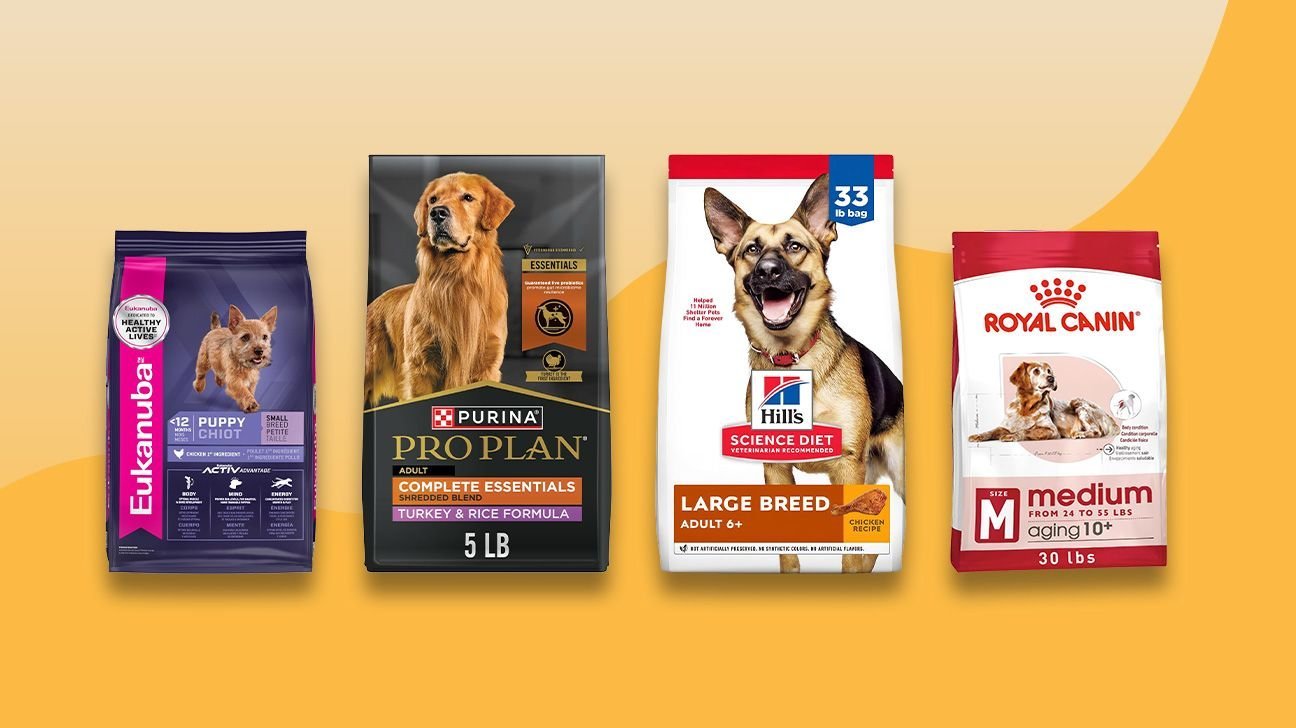
When you scan the market for food, you must prioritize quality control and transparency. A reliable brand will test its recipes to ensure they’re safe and meet specific health requirements for your pet.
- Check the label for a statement confirming the food meets AAFCO nutrient profiles.
- Pick a diet tailored to your dog’s age, whether they’re a puppy, adult, or senior.
- Prioritize brands that conduct feeding trials rather than just laboratory analysis of ingredients.
- Avoid foods with vague ingredient lists like “meat meal” without a named animal source.
- Ensure the manufacturer provides a clear contact number for customer service and quality questions.
- Store dry food in its original bag inside a cool, dry bin to prevent mold or rancidity.
Why nutritional standards matter for safety
A dog’s health depends on the precise balance of vitamins, minerals, and amino acids, which is why following established standards is so important. If a diet lacks essential nutrients, or if it contains them in dangerous excess, your pet can suffer from long-term health issues such as bone deformities, heart disease, or organ failure. Manufacturers who follow these guidelines reduce the risk of nutritional deficiencies that occur when companies formulate recipes based on guesswork. When you choose a brand that invests in safety protocols, you’re paying for the testing that keeps harmful contaminants out of the bowl. If you’re unsure about a brand, look for their commitment to third-party audits or their internal quality control certifications.
Adjusting for individual dog needs
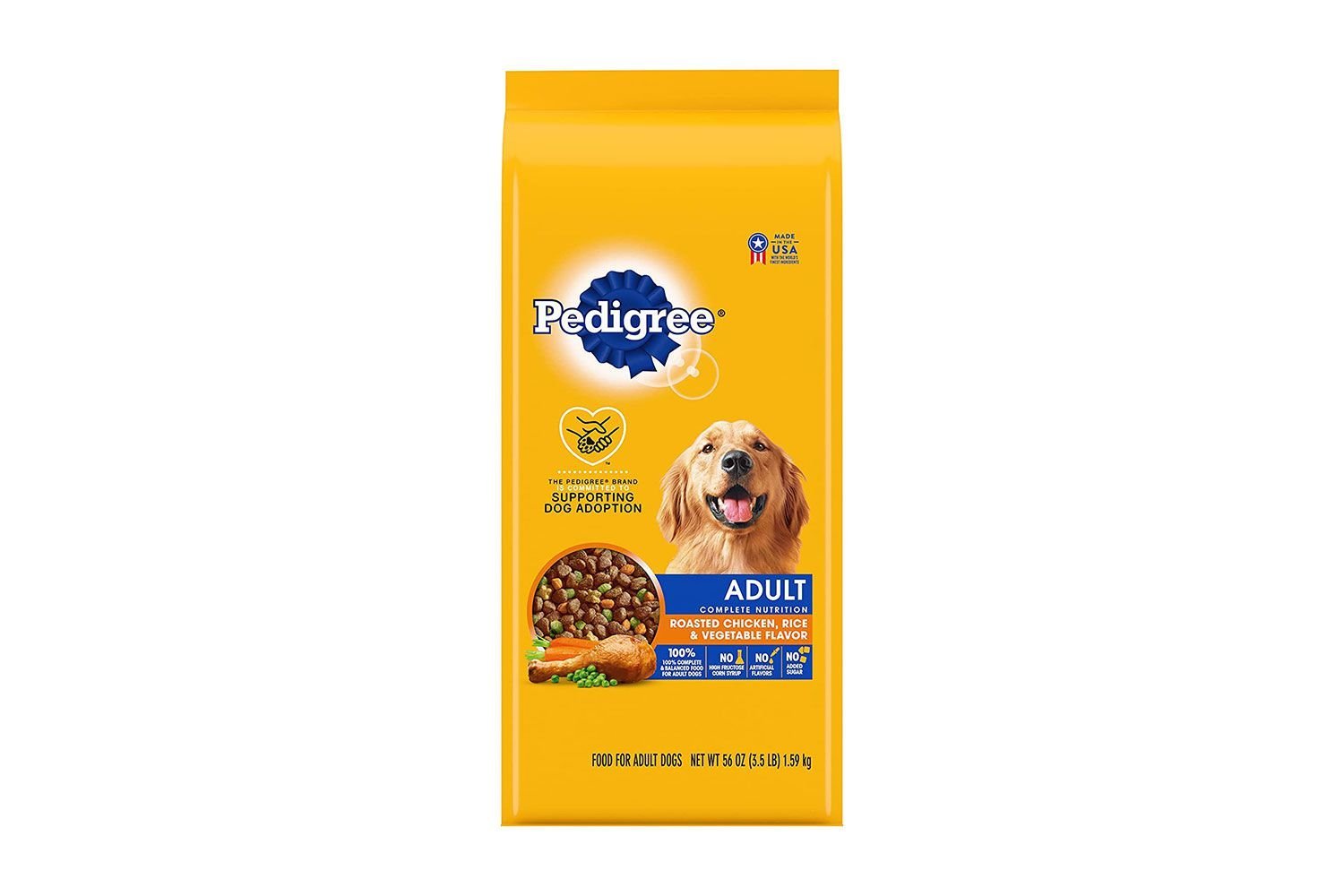
The standard “one size fits all” approach rarely works for every animal. Some dogs have medical conditions or sensitivities that require a different strategy.
| Situation | What changes | What to do instead |
|---|---|---|
| Food allergies | Protein or grain source | Switch to limited ingredient diet |
| Obesity | Calorie density | Use weight management formulas |
| Sensitive stomach | Fiber content | Consult your veterinarian |
| Senior age | Protein and phosphorus | Switch to senior-specific recipes |
| High activity | Fat and calorie intake | Choose performance or working diets |
Steps for feeding your dog properly
- Consult your veterinarian to determine your dog’s ideal weight and daily caloric needs based on their breed and activity level.
- Select a high-quality, life-stage appropriate food that features a named protein source as the first ingredient on the label.
- Measure the exact portion size using a standard kitchen scale or measuring cup, following the guidelines printed on the food bag.
- Transition to the new food slowly over 7 to 10 days by mixing increasing amounts of the new food into the old.
- Watch for signs of digestive upset, such as vomiting or diarrhea, which indicate the food may not suit your dog’s system.
- Serve the food in a clean stainless steel or ceramic bowl to prevent bacteria growth common in porous plastic containers.
- Check your dog’s weight every month and adjust the portion size slightly if you notice them gaining or losing weight unintentionally.
Common mistakes that ruin health
- Feeding human table scraps often leads to an imbalanced diet and dangerous weight gain.
- Mixing different brands or types of food frequently can cause chronic digestive upset and makes it hard to identify the cause of an allergic reaction.
- Buying food in bulk without checking the expiration date often results in the dog eating rancid fats that have lost their nutritional value.
- Ignoring the “best by” date on the package puts your dog at risk of consuming oxidized fats or degraded vitamins.
Frequently asked questions
Can I feed my dog a raw diet?
Raw diets carry a significant risk of bacterial contamination like Salmonella and Listeria, which can affect both pets and humans in the household. If you choose this path, you must handle all ingredients with the same strict hygiene protocols used for raw meat.
How much should I feed my dog?
Feeding amounts are determined by your dog’s current weight and daily energy requirements, usually printed as a range on the back of the food bag. If your dog is spayed or neutered, start at the lower end of the recommended range to prevent weight gain.
Is grain-free food healthier?
Grain-free food isn’t inherently healthier and has been linked by the FDA to potential heart issues in some dog breeds. Unless your veterinarian has diagnosed a specific grain allergy, grains provide essential fiber and energy for most healthy dogs.
How often should I change dog food?
You shouldn’t change dog food frequently, as a consistent diet is best for maintaining a healthy gut microbiome. Only change the food if your veterinarian recommends it for a health reason or if your dog enters a new life stage.
Does the price of dog food matter?
Price often reflects the quality of ingredients and the amount of safety testing performed by the manufacturer. While a high price doesn’t guarantee safety, extremely cheap food often uses lower-quality fillers that provide less nutritional value per calorie.
What happens if my dog refuses to eat?
A dog refusing to eat for more than 24 hours requires a visit to the veterinarian to rule out underlying illness or dental pain. If the dog is active and alert, you can try warming the food slightly, but never force-feed a dog.
Conclusion
Your dog’s long-term health is best supported by consistency, high-quality ingredients, and regular veterinary checkups. By choosing a reputable brand and monitoring your pet’s weight and energy, you provide the safest environment for their development. Always talk to your vet before making major changes to the diet.