
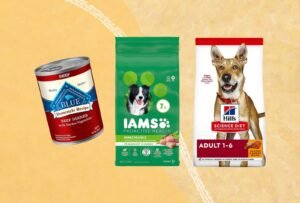
Purina Pro Plan is currently the most popular dog food in the United States by total market share and sales volume. This status reflects consumer trust in its long-standing veterinary research, though individual needs for dogs vary based on age, weight, and activity level.
Finding the most popular dog food
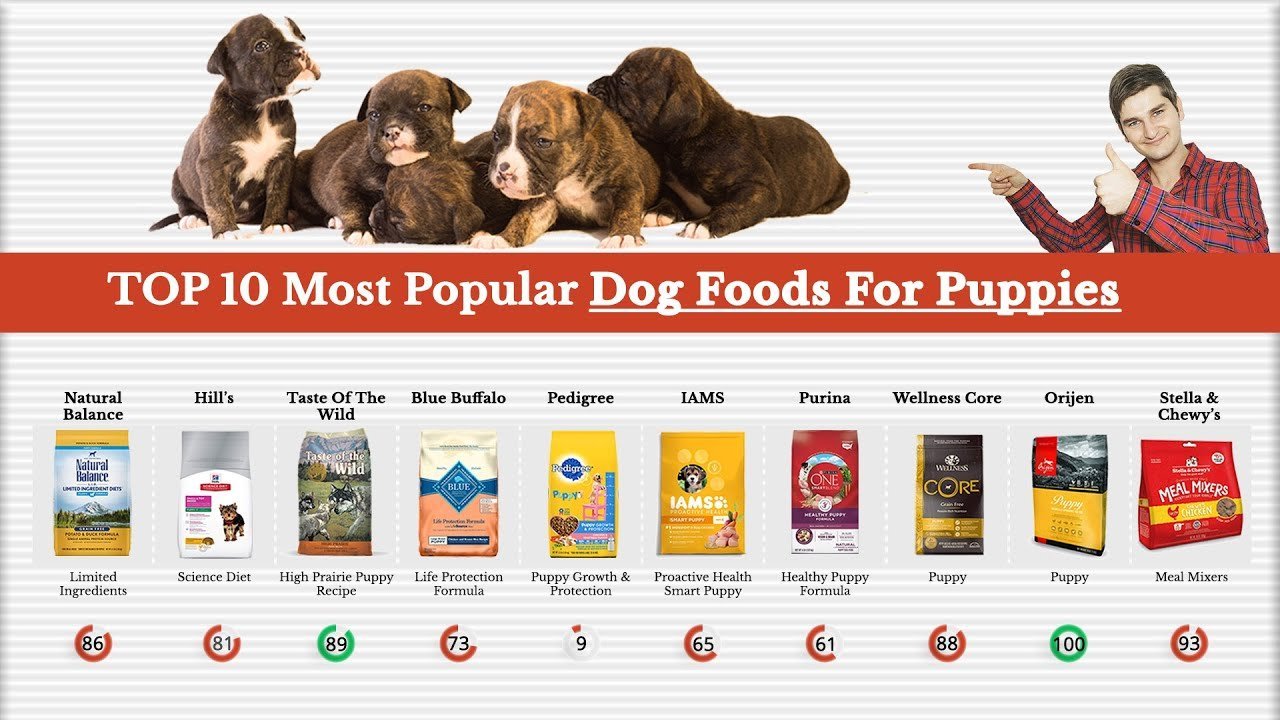
- Pick a formula that matches your dog’s life stage, such as puppy, adult, or senior, because nutrient requirements change as a dog ages.
- Check the label for the Association of American Feed Control Officials statement, which confirms the diet is complete and balanced for a specific life stage.
- If your dog has a known health issue, consult your veterinarian before switching brands to avoid triggering digestive upset or allergic reactions.
- Evaluate the calorie density per cup listed on the bag to ensure you’re feeding the correct portion size for your dog’s weight.
- Monitor your dog’s body condition score regularly; if they’re gaining weight, you should reduce the daily portion by 10% and re-evaluate in two weeks.
Why brand popularity matters for health
Popularity in the pet food industry is often driven by the depth of scientific testing behind the formulas. When a large manufacturer invests in feeding trials, they gather data on how the food affects a dog’s health over several generations. This is different from companies that only follow a nutrient profile on paper without testing how the body absorbs those nutrients.
If your dog thrives on a specific brand, consistency is usually better than variety. Dogs don’t crave the culinary diversity that humans do, and frequent diet changes can lead to loose stools or vomiting. If you do decide to switch, do it slowly over seven days by mixing increasing amounts of the new food into the old one. This allows the gut bacteria to adjust to the new ingredients. Always check the official website of the manufacturer for specific transition guidelines, as some sensitive dogs require a longer period of up to fourteen days to fully adjust.
Variations in dietary requirements
| Situation | What changes | What to do instead |
|---|---|---|
| Food allergies | Protein source | Use limited ingredient diets |
| High activity | Calorie needs | Select high-performance formulas |
| Weight gain | Daily intake | Use light or weight-control food |
| Puppy growth | Calcium ratio | Choose large-breed specific growth |
| Senior age | Joint support | Select senior-specific recipes |
How to feed your dog correctly
- Weigh your dog on a scale to determine their current mass, as feeding guidelines are always based on weight, not just visual size.
- Read the feeding chart on the back of the bag, noting the recommended daily amount for your dog’s specific weight range.
- Use a standard measuring cup to portion out the food exactly, as guessing leads to overfeeding and potential obesity over time.
- Divide the total daily amount into two equal meals to help with digestion and keep your dog satisfied throughout the day.
- Check the bowl after 20 minutes; if the dog leaves food behind, reduce the next portion by 10% to prevent waste.
- Store the kibble in an airtight container in a cool, dry place to prevent the fats from going rancid over time.
Common mistakes that ruin nutrition
- Adding table scraps to the bowl turns a balanced meal into an unbalanced one, which can lead to nutritional deficiencies.
- Ignoring the serving size on the bag leads to rapid weight gain, which puts unnecessary stress on a dog’s joints and heart.
- Switching foods too quickly without a transition period often causes severe diarrhea, which can lead to dehydration in small dogs.
- Storing large bags of food in a hot garage causes the oils in the kibble to spoil, making the food unpalatable and unhealthy.
Frequently asked questions
Can I feed my dog human food?
You should limit human food to 10% of your dog’s daily calories, but it’s better to avoid it entirely to prevent obesity. Many human foods, like onions, grapes, and chocolate, are toxic to dogs and cause immediate health emergencies.
How long does a bag of food stay fresh?
A bag of dry food usually stays fresh for six weeks after opening if it’s stored in a cool, dry, and airtight container. Always check the “best by” date on the packaging to ensure the fats remain stable for your dog.
Is expensive dog food always better?
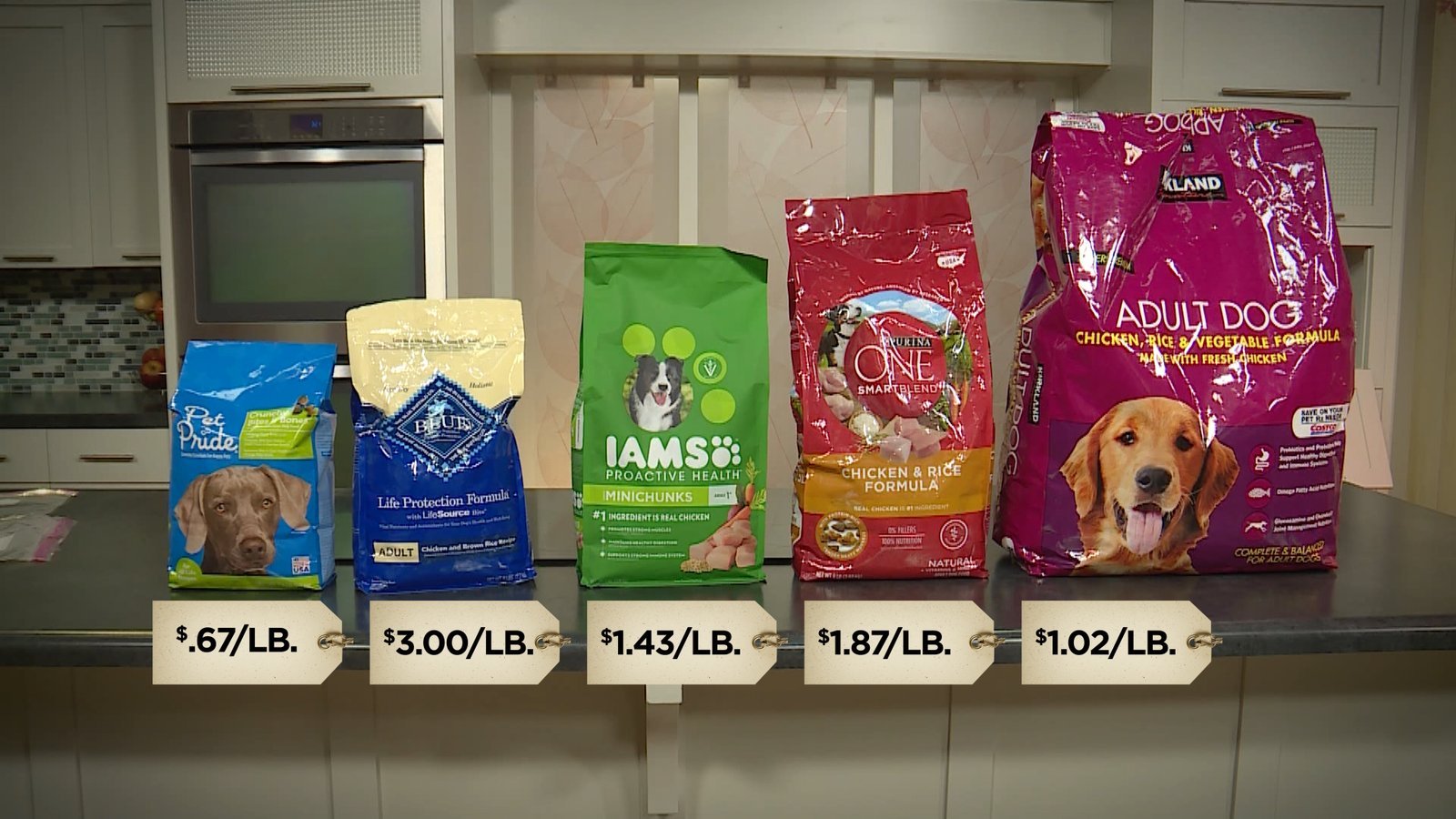
Expensive food isn’t always better, but it often reflects the cost of extensive clinical feeding trials and high-quality sourcing. Check the label for a nutritional adequacy statement to ensure the brand meets basic safety standards regardless of the price point.
What happens if I overfeed my dog?
Overfeeding leads to obesity, which shortens a dog’s life expectancy and increases the risk of arthritis and diabetes. If your dog has a waist that’s no longer visible from above, you should reduce their daily intake by 15% immediately.
Does the grain-free label matter?
Grain-free labels don’t indicate a higher quality of nutrition, as most dogs digest grains like rice and oats easily. Unless your veterinarian has diagnosed a specific grain allergy, there’s no medical reason to avoid grains in your dog’s diet.
How often should I feed my dog?
Adult dogs should eat two meals per day to maintain stable energy levels and support proper digestive function. Puppies under six months require three to four smaller meals daily to support their rapid growth and prevent low blood sugar.
Conclusion
Choosing the right meal for your pet doesn’t have to be overwhelming. Since every dog is unique, you shouldn’t hesitate to consult your local veterinarian before making a permanent switch. They’ll help you find a recipe that fits your companion’s health needs perfectly, so you’re both happy and confident at dinner time.