
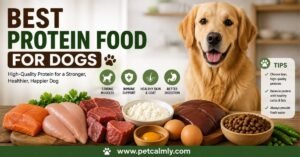
Freshly prepared, whole-food diets that meet specific nutritional profiles are widely considered the healthiest food for dogs. This assumes the diet is balanced by a veterinary nutritionist; for store-bought kibble, look for labels that guarantee compliance with AAFCO standards.
Finding the healthiest food for your dog
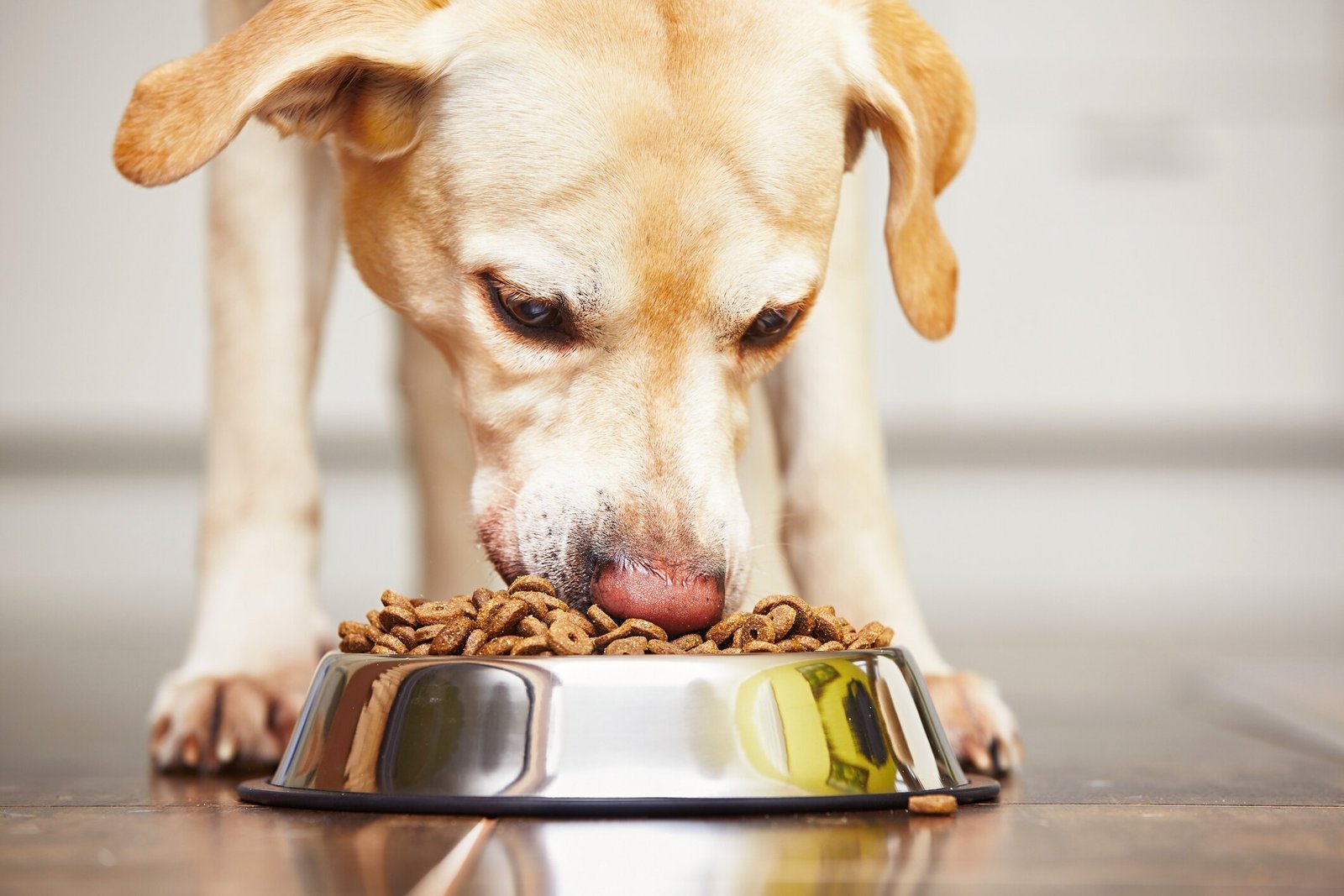
Feeding your dog requires balancing proteins, fats, and essential minerals to maintain their health over their lifetime. A diet that works for a high-energy working breed will often be too calorie-dense for a sedentary senior dog.
- Select high-quality animal protein as the first ingredient on any food label you buy.
- Avoid foods listing “meat by-products” without identifying the specific animal source.
- Check that the food includes omega-3 fatty acids for skin and coat health.
- Ensure the calcium-to-phosphorus ratio is balanced to support long-term bone health.
- Prioritize whole vegetables like carrots or green beans over filler grains like corn.
- If your dog has a sensitive stomach, choose limited-ingredient formulas to reduce allergens.
Why whole foods provide better nutrition
The primary reason whole foods provide superior nutrition is the bioavailability of nutrients compared to highly processed alternatives. When manufacturers extrude kibble at high temperatures, some natural vitamins and enzymes can degrade, requiring synthetic additives to meet basic requirements. By feeding whole, recognizable ingredients, you provide a matrix of nutrients that the body absorbs more efficiently. According to the Association of American Feed Control Officials, pet food labels must provide a nutritional adequacy statement to confirm the product provides complete and balanced nutrition for a specific life stage. If you aren’t sure if a food is appropriate for your pet, check the packaging for this specific statement. A food labeled “for all life stages” is different from one designed only for adult maintenance. When in doubt, call your veterinarian to confirm the caloric density matches your dog’s current activity level and weight management needs.
When your dog needs a different diet
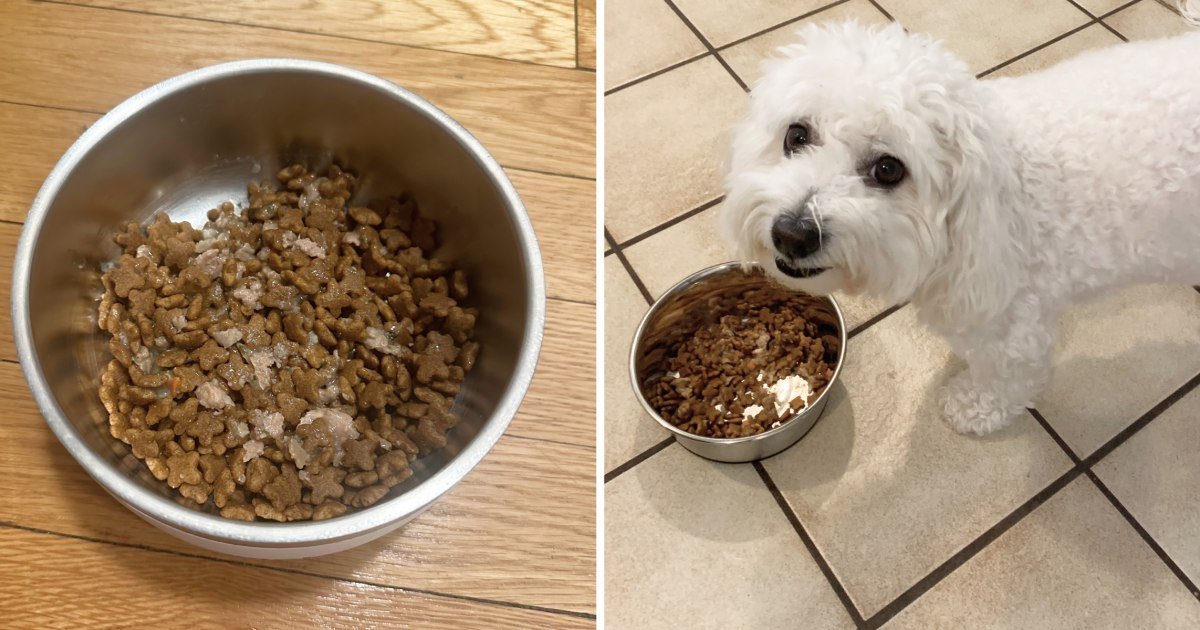
Not every dog thrives on the same type of food, and individual health markers must guide your choices. Age, activity level, and existing health conditions all change what your dog needs to remain healthy.
| Situation | What changes | What to do instead |
|---|---|---|
| Puppyhood | Higher protein needs | Use growth-specific formulas |
| Senior years | Lower calorie intake | Switch to senior diets |
| Food allergies | Protein source sensitivity | Try hydrolyzed protein diets |
| Kidney disease | Phosphorus restriction | Use veterinary prescription food |
| High activity | Fat and calorie density | Feed high-performance kibble |
Steps for feeding your dog correctly
- Calculate your dog’s daily caloric needs based on their weight and ideal body condition score.
- Measure every meal using a standard kitchen scale rather than a cup for consistent intake.
- Divide the total daily amount into two equal meals to help with digestion and satiety.
- Introduce any new food gradually over seven days by mixing it with the previous diet.
- Monitor your dog’s weight weekly; if they gain or lose, adjust the daily portion by 5%.
- Always provide fresh water in a clean bowl to support kidney function and nutrient transport.
- Check the stool quality; soft or irregular stools suggest the food doesn’t suit them.
Common mistakes that ruin nutrition
- Providing too many table scraps leads to an unbalanced diet and unwanted weight gain.
- Changing brands too quickly often causes severe digestive upset and refusal to eat.
- Guessing the portion size instead of weighing it usually leads to chronic overfeeding.
- Ignoring the “best by” date results in rancid fats that can make your dog ill.
Frequently asked questions
Can I feed my dog a raw diet?
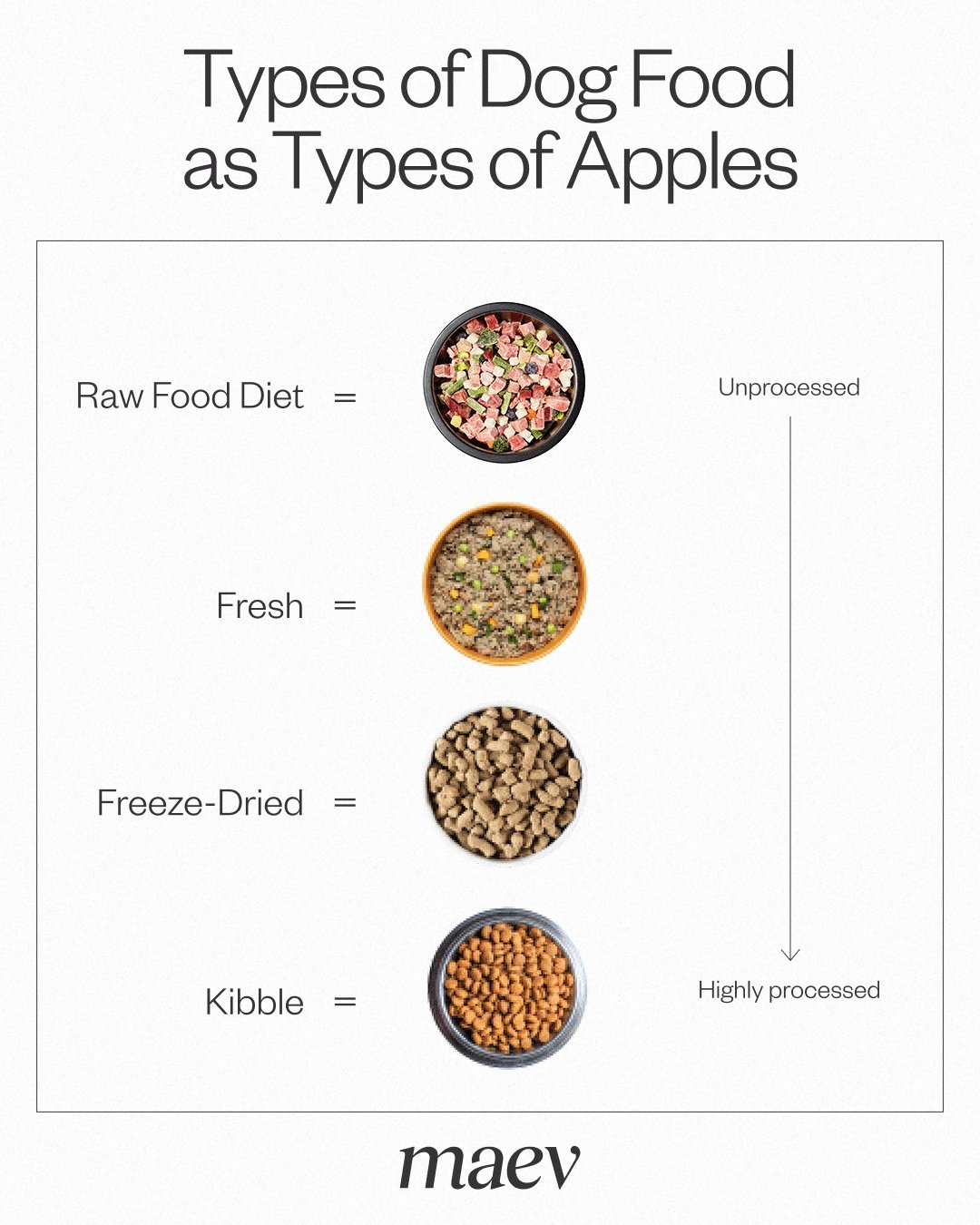
A raw diet is possible, but it requires strict adherence to food safety protocols to avoid bacterial contamination like Salmonella. If you choose this path, consult a veterinary nutritionist to ensure the calcium and phosphorus levels are perfectly balanced for your dog.
How much food should a dog eat daily?
The amount of food depends on your dog’s weight, age, and activity level, which you can find on the feeding chart on your specific brand’s packaging. Adjust these amounts based on your dog’s body condition, as even 10% extra calories can lead to weight gain.
Is grain-free food better for dogs?
Grain-free food isn’t inherently better unless your dog has a specific allergy to grains confirmed by a veterinarian. Many dogs digest high-quality grains like brown rice or oatmeal easily, and these provide important fiber for digestive health.
How long does a bag of dog food last?
A bag of dog food generally stays fresh for about 30 days after opening if you store it in a cool, dry place. Always keep the food in its original bag inside an airtight container to prevent the fats from going rancid.
Is it safe to mix wet and dry food?
It’s safe to mix wet and dry food, provided you account for the total calories from both sources to prevent obesity. Many owners use this method to encourage picky eaters, but you must reduce the dry kibble portion accordingly.
Does the order of ingredients matter?
The order of ingredients matters because manufacturers must list them by weight, meaning the first few items make up the bulk of the nutrition. Look for a named animal protein like chicken or beef as the first item on the list.
What should I do if my dog stops eating?
If your dog stops eating for more than 24 hours, you should contact your veterinarian to rule out underlying illness. A sudden loss of appetite is often the first sign of dental pain, digestive blockage, or other serious health issues.
Conclusion
Providing the right food is one of the most effective ways to support your dog’s long-term health and energy levels. By focusing on whole, balanced ingredients and measuring portions accurately, you help your pet maintain an ideal weight and avoid preventable nutrition-related illnesses. Always prioritize your veterinarian’s advice when your dog shows signs of poor health.
Related guides