
Walmart generally sells the cheapest dog food in the United States, with store brands typically costing between $0.50 and $1.20 per pound depending on the bag size. Aldi and dollar stores also offer very low prices for budget-conscious shoppers. Finding the best deal requires comparing the cost per pound rather than just looking at the sticker price on the shelf.
Key Takeaways
- Walmart consistently offers the lowest prices on both national and store-brand dry dog food.
- Chewy and Amazon frequently match or beat physical retail prices when you use auto-ship subscriptions.
- Always calculate the price per pound to compare different bag sizes accurately.
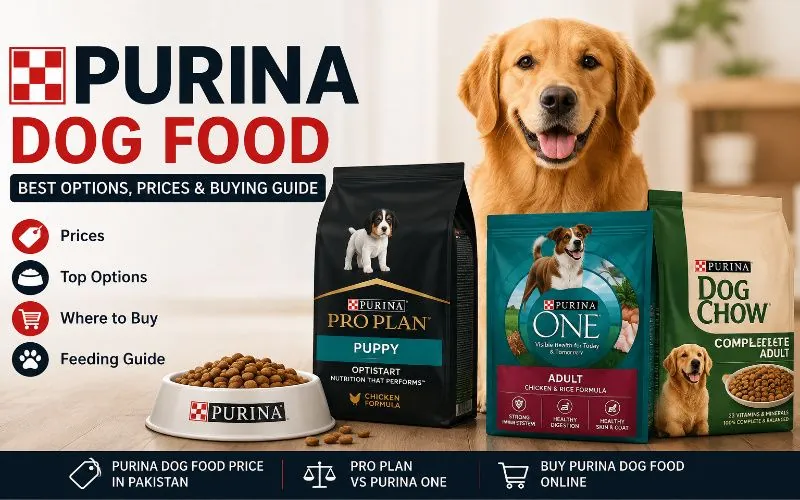
- Store brands like Purina Dog Chow and Ol’ Roy provide adequate nutrition at a fraction of premium costs.
- Buying in bulk from warehouse clubs like Costco lowers the long-term expense significantly.
What Store Has the Cheapest Dog Food?
Finding affordable meals for your pet means checking big-box retailers first. Walmart dominates this category by offering massive bags of their proprietary Ol’ Roy brand alongside discounted national labels. Target follows closely with its Kindfull line, which provides slightly better ingredient profiles while remaining highly affordable. Grocery chains such as Kroger and Albertsons run weekly sales that occasionally undercut standard retail pricing on mid-tier brands.
| Retailer | Budget Brand | Typical Cost Per Pound |
|---|---|---|
| Walmart | Ol’ Roy | $0.50 – $0.75 |
| Target | Kindfull | $0.80 – $1.10 |
| Kroger | Pet Pride | $0.90 – $1.20 |
| Dollar General | Heartland Farms | $1.00 – $1.30 |
The most reliable strategy is visiting these specific locations during seasonal clearance events.
Comparing Online Retailers for Savings
E-commerce platforms have changed how pet owners shop for kibble. Chewy offers a five percent discount on every order when you enroll in their Autoship program, making recurring deliveries cheaper than one-off store purchases. Amazon provides similar savings through Subscribe & Save, though base prices fluctuate daily based on algorithmic pricing. Both platforms eliminate gas expenses, which factors into your true total cost.
Pro Tip: Stack online coupons with subscription discounts to drive the price per pound below what local grocery stores charge for the exact same bag.
Are Warehouse Clubs Worth the Membership?
Costco and Sam’s Club sell proprietary brands—Kirkland Signature and Member’s Mark—that rival premium formulas in nutritional quality while maintaining bargain-bin prices. A forty-pound bag of Kirkland Signature dry food usually costs around thirty dollars, bringing the unit price well under a dollar per pound. You must factor in the annual membership fee, which ranges from fifty to sixty-five dollars. If you buy large quantities monthly, the membership pays for itself within two months.
When Memberships Make Sense
Warehouse shopping works best for owners of large breeds or multi-dog households consuming over thirty pounds of food monthly. Small dogs eating minimal amounts will rarely justify the upfront membership cost.
Understanding Price Per Pound Metrics
Never judge affordability solely by the final checkout number. Manufacturers intentionally shrink bag sizes while keeping prices static, a practice known as shrinkflation. A fifteen-dollar bag sounds cheap until you realize it only holds ten pounds, equating to $1.50 per pound.
Meanwhile, a forty-dollar bag holding forty pounds delivers the same food for exactly one dollar per pound. Bring a calculator or use your phone to divide the total price by the net weight listed on the packaging before tossing anything into your cart.
| Bag Size | Total Price | Actual Cost Per Pound |
|---|---|---|
| 10 lbs | $15.00 | $1.50 |
| 20 lbs | $24.00 | $1.20 |
| 40 lbs | $36.00 | $0.90 |
Is Cheap Dog Food Safe for Pets?
Affordability doesn’t automatically mean danger. The Association of American Feed Control Officials (AAFCO) sets strict nutritional standards that all commercial pet foods sold in the US must meet to claim they are “complete and balanced.”
Even the least expensive options at Walmart or Dollar General carry an AAFCO nutritional adequacy statement proving they meet baseline dietary requirements for adult maintenance or growth. Budget brands achieve lower prices by using inexpensive fillers like corn and soy rather than skipping essential vitamins. However, dogs with sensitive stomachs or specific allergies might require pricier limited-ingredient diets to avoid gastrointestinal distress.
Warning: Avoid purchasing unbranded bulk food from unverified sellers online, as these bypass federal safety inspections entirely.
How Do Store Brands Compare to National Ones?
National brands like Pedigree, Purina, and Iams spend millions on marketing, which inflates their retail price. Store brands manufactured for Walmart, Target, or Kroger often originate from the exact same production facilities but skip the advertising markup. The primary difference lies in the protein source; budget lines rely heavily on meat by-products and plant proteins, whereas premium lines feature whole named meats as the first ingredient. For healthy adult dogs without medical conditions, store brands deliver perfectly adequate daily nutrition.
Strategies to Lower Your Monthly Bill
Reducing your pet care expenses requires combining several purchasing tactics simultaneously. First, transition from small bags to the largest available size, as manufacturers always discount bulk volumes. Second, monitor weekly circulars from local farm supply stores like Tractor Supply Co., which frequently discount forty-pound bags of Purina or Blue Buffalo.
Third, utilize cashback credit cards specifically designed for grocery or general retail spending to recoup a percentage of every purchase. Finally, check manufacturer websites directly for printable coupons that physical retailers will honor at the register.
Mixing Foods for Better Value
Some owners blend a high-quality premium kibble with a cheaper filler brand to stretch their budget while upgrading overall nutrition. Introduce any new mixture gradually over seven days to prevent digestive upset.
Frequently Asked Questions
Does Dollar Tree sell dog food?
Yes, Dollar Tree carries small bags of dry dog food and canned wet food, typically priced at $1.25. While convenient for emergency top-offs, the cost per ounce is actually much higher than buying large bags at Walmart. It isn’t the most economical choice for daily feeding.
Is Aldi dog food good?
Aldi sells its own brand called Pure Being, which offers surprisingly high-quality ingredients at very low prices. Many budget-conscious owners consider it superior to basic grocery store brands. Availability varies by location, so check your local store inventory online before driving there.
Can I get free dog food anywhere?
Local animal shelters, humane societies, and community pet food pantries often distribute free supplies to families experiencing financial hardship. Organizations like Feeding America sometimes partner with pet charities. Search your city name alongside “pet food pantry” to find nearby assistance programs.
Why is my dog food so expensive lately?
Supply chain disruptions, rising agricultural costs, and inflation have increased manufacturing expenses across the entire pet industry. Premium brands raise prices faster than budget options. Switching to a store brand or buying larger bulk bags helps offset these recent market increases.
Should I buy wet or dry food to save money?
Dry kibble is significantly cheaper per serving than canned wet food. Wet food contains mostly water, meaning you pay more for fewer actual calories. Stick to dry food for daily meals and reserve canned options for occasional treats or medical hydration needs.
Conclusion
Start by calculating exactly how many pounds your dog eats each month, then visit your nearest Walmart or log into Chewy to compare the current price per pound for a forty-pound bag of Ol’ Roy or Kirkland Signature.