
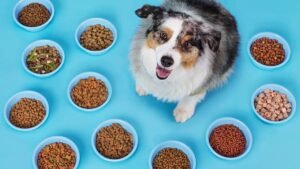
A high-quality diet for your pet provides complete and balanced nutrition. You can determine if a dog food is appropriate by checking the label for a statement confirming it’s suitable for your animal’s specific life stage.
How to identify quality pet nutrition
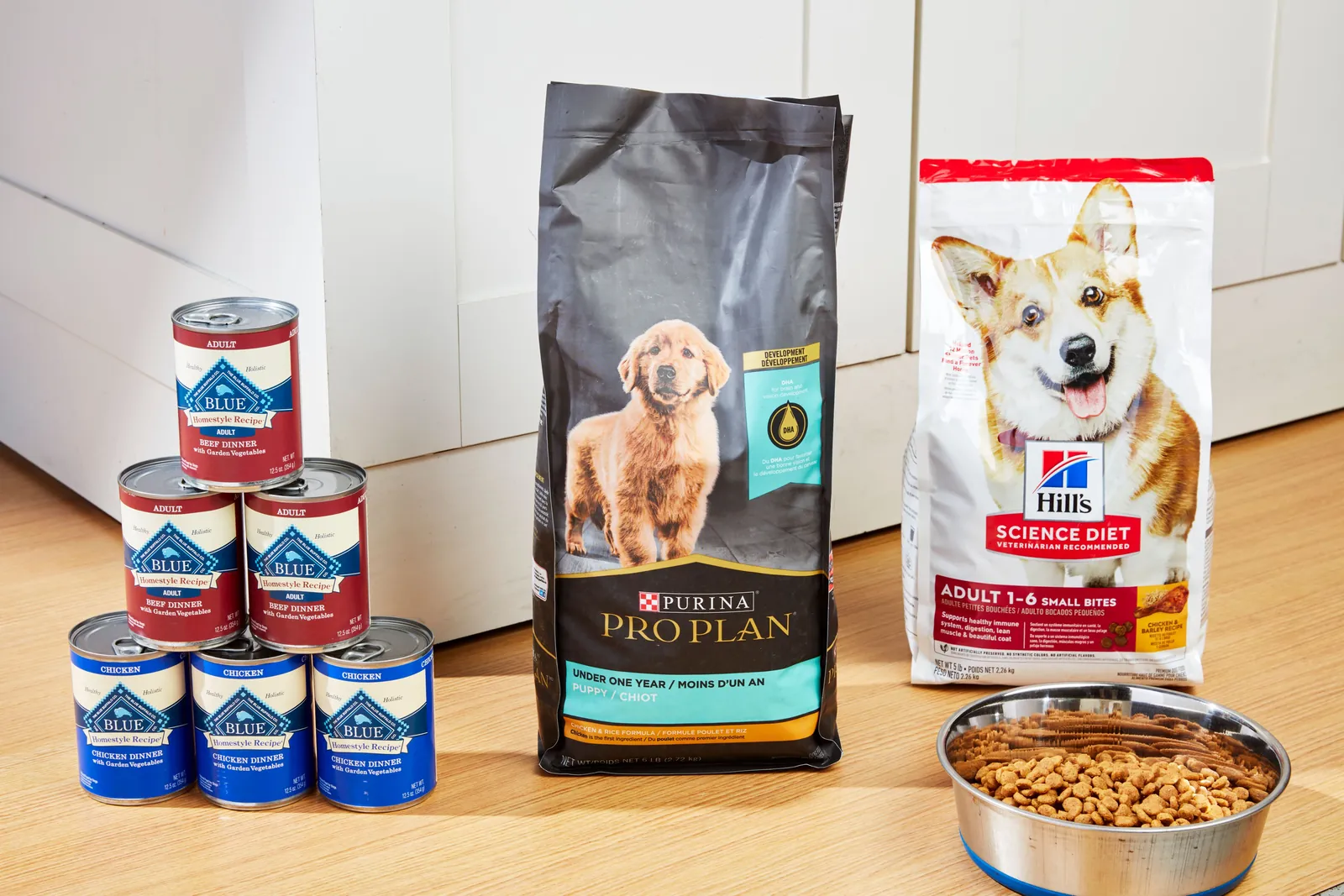
Selecting the right product means looking past marketing terms on the front of the bag. Use these criteria to evaluate the nutritional value of any brand you consider:
- AAFCO Statement: Look for a label stating the food provides “complete and balanced” nutrition for a specific life stage, such as growth, maintenance, or all life stages.
- Protein Sources: The first ingredient should be a named animal-based protein, like chicken, beef, or salmon, rather than a generic “meat meal” or “animal by-product.”
- Safety Testing: Choose companies that perform feeding trials to verify their nutritional claims, as this is more rigorous than simple chemical analysis.
- Life Stage Needs: Puppies require higher calorie and calcium levels than senior dogs; always select a formula labeled for your dog’s age.
- Recalls: Check the official FDA animal food recalls page to ensure the manufacturer maintains a strong record of safety and transparency.
Why nutritional balance matters
Dogs are omnivores that thrive on a precise balance of proteins, fats, carbohydrates, vitamins, and minerals. Unlike humans, who eat a variety of foods to get these nutrients, dogs often eat the same thing every day. If a food lacks one essential amino acid or mineral, your dog will develop a deficiency over time.
The mechanism of “complete and balanced” means the food has been formulated to meet the National Research Council’s nutrient requirements for specific physiological states. If you feed a puppy an adult maintenance formula, they may not get the calcium needed for bone development. Conversely, feeding a sedentary senior a high-calorie puppy food leads to rapid weight gain. Because dogs can’t communicate when they feel “off” due to a poor diet, relying on science-backed labels is the safest way to ensure they receive what they need to stay healthy.
When individual needs change
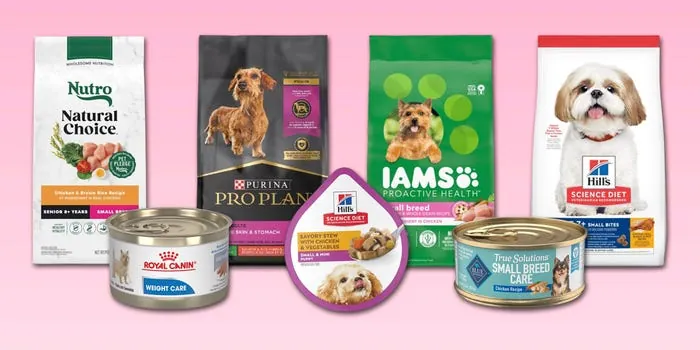
Certain dogs require specialized diets that differ from standard commercial offerings. If your dog has a health condition, you must prioritize clinical advice over general marketing.
| Situation | What changes | What to do instead |
|---|---|---|
| Food allergies | Protein source | Seek limited ingredient diet |
| Kidney disease | Phosphorus levels | Consult your veterinarian |
| Sensitive stomach | Fiber content | Consult your veterinarian |
| Obesity | Calorie density | Measure portions by weight |
| Large breed puppy | Calcium ratio | Use large-breed specific food |
Steps for feeding your dog correctly
- Read the back of the bag to confirm the food is appropriate for your dog’s specific age and activity level.
- Use a kitchen scale to measure food by weight rather than volume; a cup can vary by 20% depending on how much you pack it.
- Follow the feeding guidelines on the package as a starting point, but adjust the amount if your dog gains or loses weight.
- Transition to a new brand over 7 days by mixing 25% new food with 75% old food, gradually increasing the ratio each day.
- Provide fresh, clean water in a stainless steel or ceramic bowl at all times, as hydration is vital for proper digestion.
- Store dry kibble in its original bag inside an airtight container to prevent fats from going rancid and to keep out pests.
Common mistakes that impact health
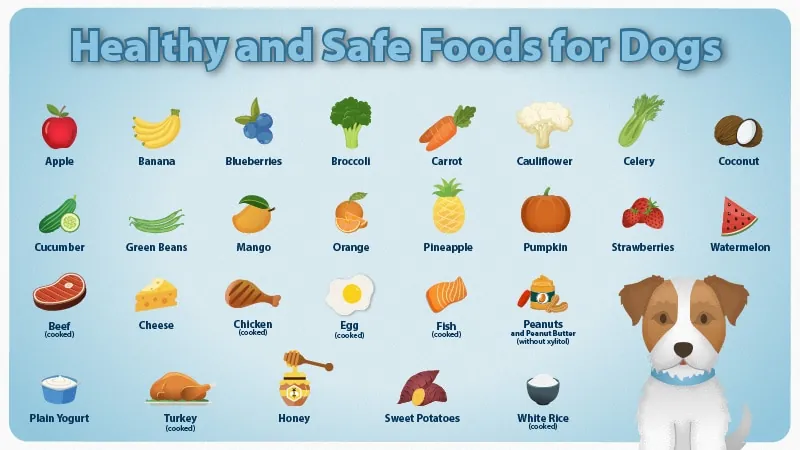
- Adding human leftovers: Giving your dog scraps adds “hidden” calories that lead to obesity and can cause dangerous inflammation of the pancreas.
- Ignoring portion control: Most owners guess the amount, which often leads to overfeeding; always use a measuring tool to keep your dog at a healthy weight.
- Frequent brand switching: Changing food too quickly can cause severe digestive upset; if you must switch, always use a slow, week-long transition period.
- Ignoring expiration dates: Old food loses nutritional potency and can develop mold; never feed your dog food that has passed its “best by” date.
Frequently asked questions
Does it matter if the food is grain-free?
No, grain-free isn’t inherently better. Unless your veterinarian has diagnosed a specific grain allergy, grains provide valuable energy, fiber, and nutrients that support a balanced diet for most healthy dogs.
How do I know if the food is safe?
Check the manufacturer’s website for their safety protocols. Reputable companies provide information on their testing, sourcing, and quality control procedures, which you can verify through the FDA’s database for any past safety issues.
Is raw food better than kibble?
Raw food carries a higher risk of bacterial contamination like Salmonella and E. coli. While some owners prefer it, the American Veterinary Medical Association discourages raw diets due to the risk of illness to both the pet and the household.
How much should I feed my dog daily?
The amount depends on your dog’s weight, age, and activity level. Start by following the range printed on the bag, then adjust the portion size based on your dog’s body condition score to maintain a healthy weight.
Can I feed my dog the same food for life?
Yes, you can feed one high-quality, “all life stages” food for many years. Provided your dog maintains a healthy weight and has no medical issues, there’s no requirement to rotate brands or formulas for variety.
What happens if my dog refuses to eat?
If your dog skips one meal, monitor them for other symptoms like lethargy or vomiting. If they refuse food for more than 24 hours, contact your veterinarian immediately, as this can be a sign of illness.
Conclusion
Your dog’s health depends on the consistency of their diet. By choosing products that meet official nutritional standards and measuring portions accurately, you provide the best foundation for a long and active life. Always consult your veterinarian if you notice changes in your dog’s energy, coat quality, or weight.