

A balanced diet for your dog should consist of high-quality proteins, healthy fats, and essential vitamins that meet the standards for their specific life stage. Always prioritize commercial foods that carry a nutritional adequacy statement from a trusted regulatory body.
Choosing the right food depends entirely on your dog’s age, weight, and activity level. If your dog is a puppy, they need more calories for growth; if they’re a senior, they need fewer calories to prevent obesity. The most common mistake is feeding by “cups” without checking the caloric density on the bag. This often leads to overfeeding because one brand may have twice the calories of another per cup.
Steps for Healthy Feeding
- Determine your dog’s daily calorie needs based on their current weight and lifestyle, using the feeding guide printed on the packaging as a starting point.
- Weigh your dog every month to see if they’re gaining or losing weight, and adjust the daily portion size by 5-10% if their body condition changes.
- Split the total daily amount into two equal meals to help with digestion and keep your dog satisfied throughout the day.
- Transition to any new food over 7 days by mixing 25% new food with 75% old food, then slowly increasing the ratio until the bowl is 100% new food.
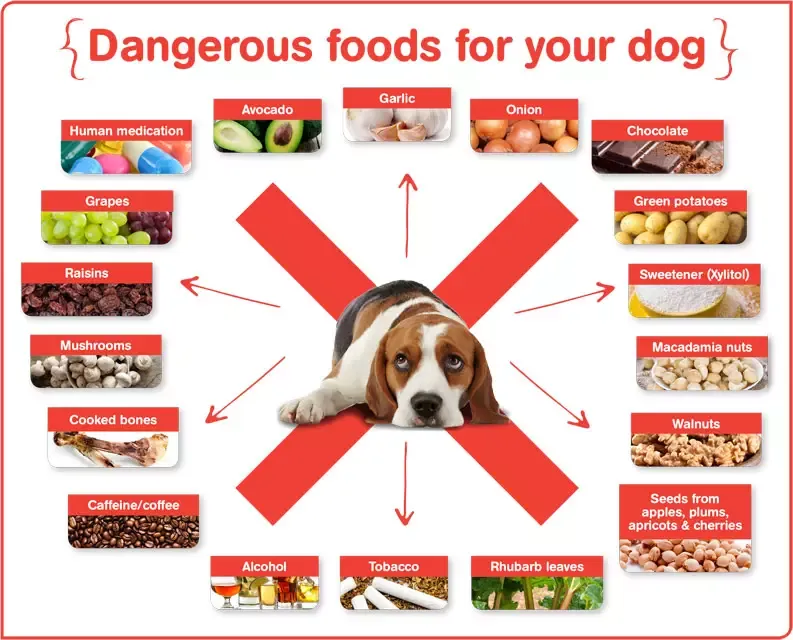
Tip: Avoid feeding human table scraps, as many common foods like onions, grapes, and chocolate are toxic to dogs.
Tip: If your dog has a medical condition, consult your veterinarian before choosing a specialized diet, as they may require a prescription formula.
Time and Feeding Variations
Feeding your dog is a daily routine, but the specific requirements change based on the dog’s life stage and health status.
| Situation | Feeding Frequency | Adjustments | Watch For |
|---|---|---|---|
| Puppy (under 6 months) | 3-4 times daily | Increase for growth | Rapid weight gain |
| Adult (1-7 years) | 1-2 times daily | Maintain steady weight | Lethargy or obesity |
| Senior (7+ years) | 1-2 times daily | Reduce calorie density | Joint stiffness |
| Active Working Dog | 2-3 times daily | Increase fat/protein | Dehydration |
If your dog is consistently leaving food in the bowl, reduce the portion size by 10% the next day. If they act hungry constantly, increase their exercise before adding more food to their daily allowance.
Confirming Your Dog Is Satisfied
Photo: www.preventivevet.com on Google
You can tell if your feeding plan is working by observing your dog’s physical condition and energy levels. A healthy dog should have a visible waistline when viewed from above and a slight tuck in the abdomen when viewed from the side. Their coat should appear shiny rather than dull or greasy. If you’re unsure, use the “rib test” by running your hands along their sides; you should be able to feel the ribs without pressing hard, but they shouldn’t be clearly visible. If you can’t feel the ribs at all, your dog is likely carrying too much weight and needs a smaller portion.
Mistakes That Ruin Nutrition
- Guessing the portion size: Using a kitchen cup instead of a scale often leads to significant calorie errors. Use a digital kitchen scale to measure the exact weight of food recommended for your dog’s size.
- Ignoring the ingredient order: Many people assume the first ingredient is the only one that matters. Read the full label to ensure the food contains a named meat source like “chicken” or “beef” rather than generic “meat meal.”
- Frequent diet changes: Switching brands too quickly often causes severe stomach upset and diarrhea. Always use the 7-day transition method to protect your dog’s digestive health.
- Overloading on treats: Giving too many extra snacks adds hidden calories that ruin a balanced diet. Keep treats to less than 10% of your dog’s total daily caloric intake.
Frequently asked questions
How much should I feed my dog daily?
You should feed your dog based on the calorie count per cup listed on the food bag, usually ranging from 30 to 40 calories per pound of body weight for a typical adult. Check the specific caloric density of your brand, as this figure varies by recipe and ingredients.
Can I feed my dog raw meat?
No, feeding raw meat carries a high risk of bacterial contamination like Salmonella or E. coli, which can infect both your dog and your family. Most veterinarians recommend sticking to commercially prepared, cooked foods that have been processed to ensure safety and proper nutrient balance for your pet.
How often should I change my dog’s food?
You shouldn’t change your dog’s food unless there’s a specific reason, such as a change in life stage or a recommendation from your vet. If you must change, do it slowly over one week to avoid digestive issues.
Is it safe to feed my dog table scraps?
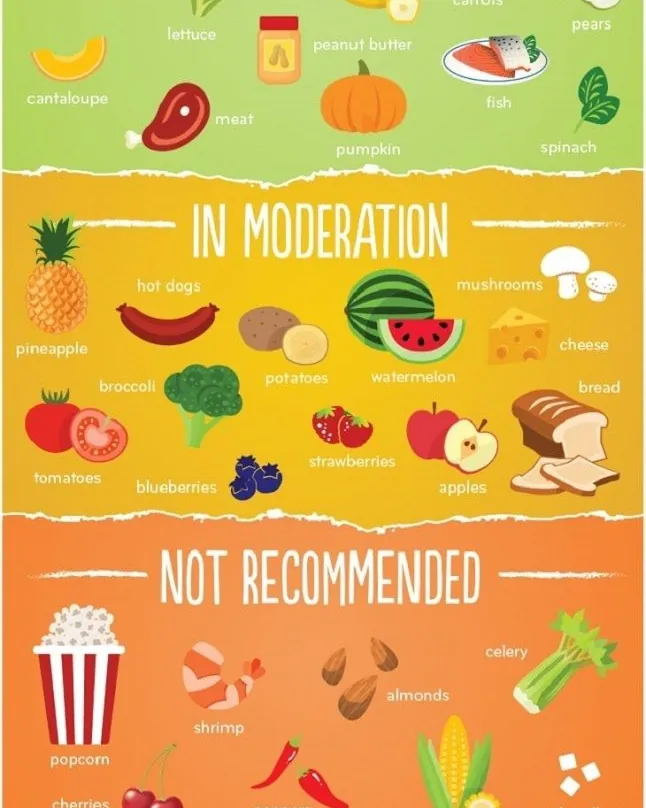
No, it isn’t safe to feed table scraps because many human foods contain fats, salts, or toxins like xylitol that are dangerous for dogs.
What happens if I overfeed my dog?
Overfeeding leads to obesity, which significantly increases the risk of joint pain, heart disease, and diabetes in dogs. If you notice your dog has lost their waistline or has trouble moving, reduce their intake immediately and increase their daily activity to help them return to a healthy weight.
How do I know if my dog is allergic to their food?
Dogs with food allergies typically exhibit chronic itching, skin redness, or frequent ear infections. If you suspect an allergy, consult your veterinarian to perform a food trial using a limited-ingredient diet to identify the specific trigger causing the reaction.
Conclusion
Choosing the right food is a simple way to show your pet love every single day. If you’re still unsure about the best choice, don’t hesitate to ask your veterinarian for a recommendation during your next visit. They’ll help you find a healthy plan that’s perfect for your dog’s unique needs.
Related guides