
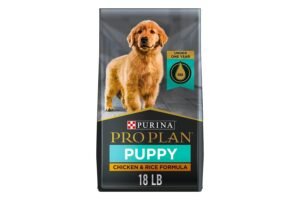
The healthiest dog food brand depends entirely on your dog’s age, size and medical history. Brands like Hill’s Science Diet, Purina Pro Plan and Royal Canin offer formulas that meet AAFCO nutrient profiles for specific life stages. Pick the formula that matches your dog, not the logo on the bag.
Picking the healthiest food brand for your dog
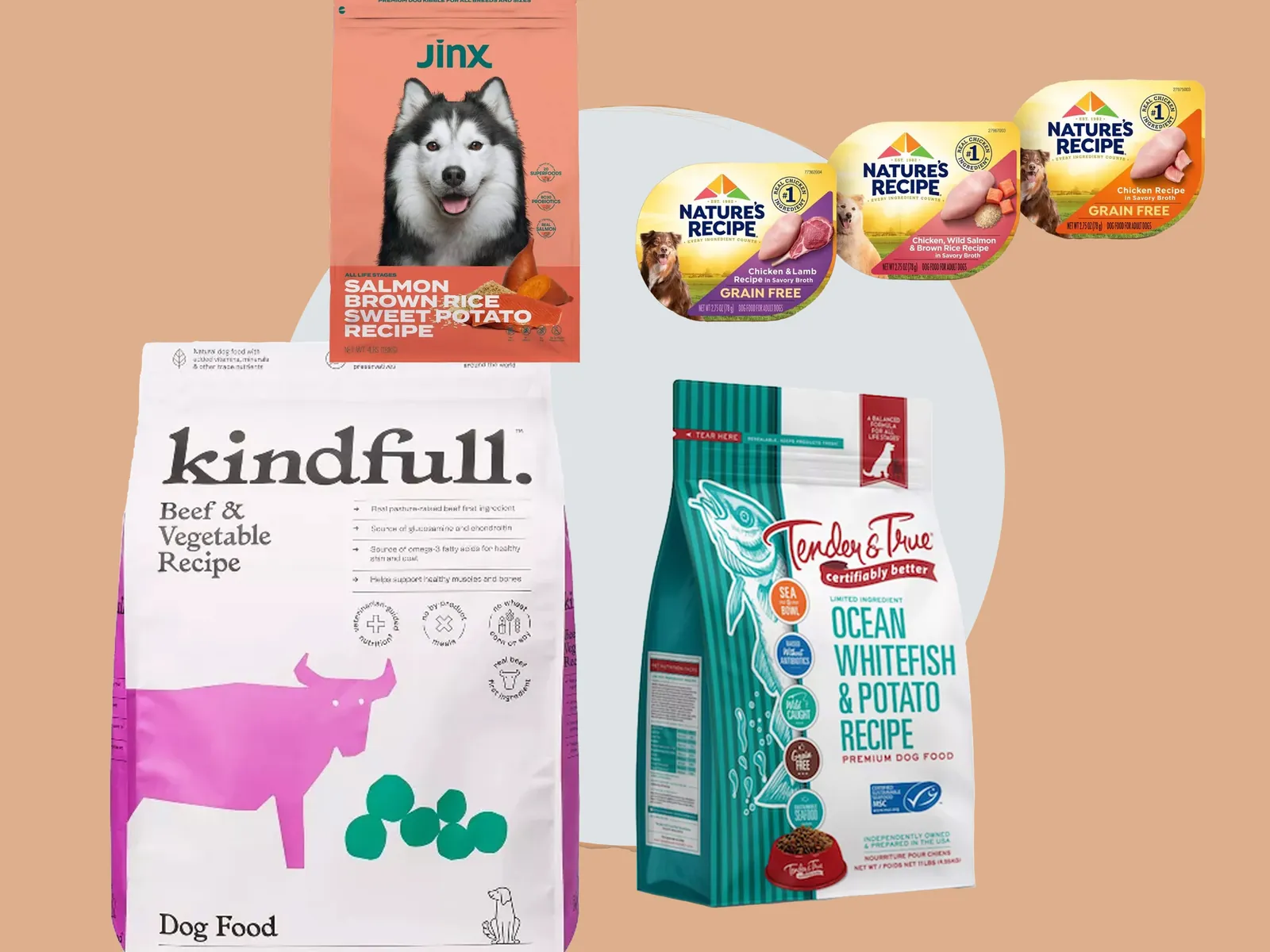
Finding the right food means matching the bag’s nutrient profile to your dog’s body and routine. You’ll look at three things before you ever compare prices: the life stage listed on the label, the calorie density per cup, and whether the protein comes from named meat sources.
- Read the AAFCO statement on the back of the bag. It must say the food is “complete and balanced” for your dog’s specific life stage, like growth, adult maintenance or all life stages.
- Check the first three ingredients on the list. Look for named animal proteins like chicken, beef or salmon rather than vague terms like “meat meal” or “animal by-products.”
- Match the calorie count to your dog’s activity level. A 50-pound working dog might need 1,500 calories a day, while a 50-pound pet sleeping indoors often needs closer to 1,000. Tip: Don’t trust the feeding chart on the bag without weighing your dog first. The chart assumes an average activity level, so a lazy dog will get fat if you follow it exactly.
- Ask your vet before switching to a prescription diet for kidney disease, allergies or diabetes. These foods alter nutrient levels significantly, and using one without a diagnosis can cause harm.
- Transition slowly over seven days by mixing the new food with the old one. Start with 25% new food on day one, 50% on day three, 75% on day five, and 100% on day seven. Tip: Skip this step and your dog will likely get diarrhea.
How long switching dog food takes
A safe switch between dry foods takes about seven to ten days for a healthy adult dog.
| Situation | How long | What changes it | What to watch for |
|---|---|---|---|
| Healthy adult to similar kibble | 7 days | Same protein source, close calorie count | Soft stool past day four |
| Puppy changing brands | 10–14 days | Growing bodies handle shifts poorly | Vomiting or refusing meals |
| Senior dog on medication | 14+ days | Meds interact with new nutrient levels | Lethargy or sudden thirst |
| Switching from raw to kibble | 10–14 days | Gut bacteria must adapt to cooked starch | Gas and bloating |
If diarrhea persists after two weeks, call your vet.
Signs your dog’s food is working
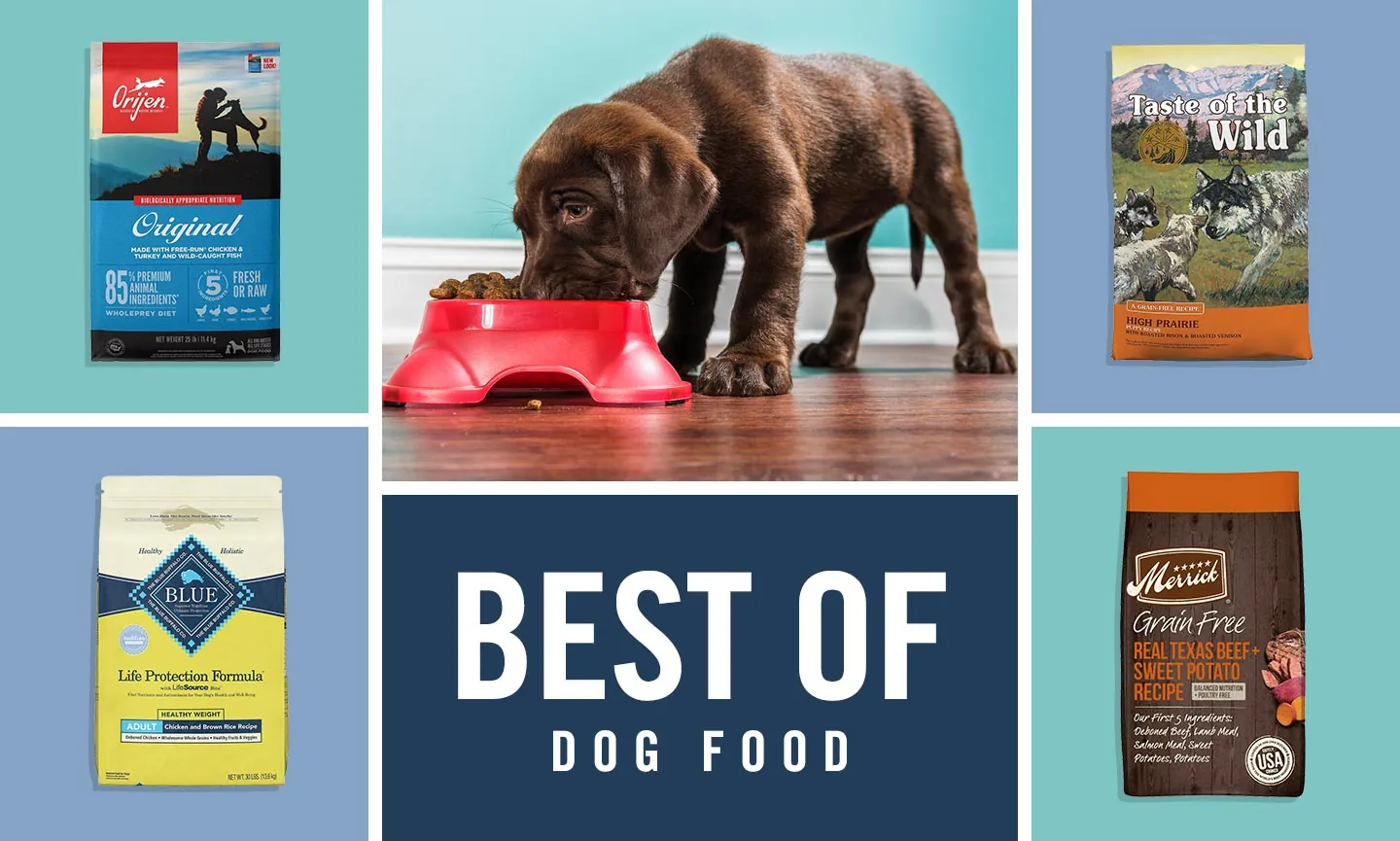
You won’t see results overnight, but a good diet shows clear physical signs within four to six weeks. The coat should feel soft and look shiny, not dull or greasy.
Stool quality is the fastest daily check.
Energy levels matter too. A dog eating the right amount of calories plays normally and rests calmly. Constant begging or hyperactivity often means the food lacks enough protein or fat to keep them full. If these signs point in different directions, a veterinary nutritionist can run bloodwork to settle it.
Bag labels that lead buyers astray
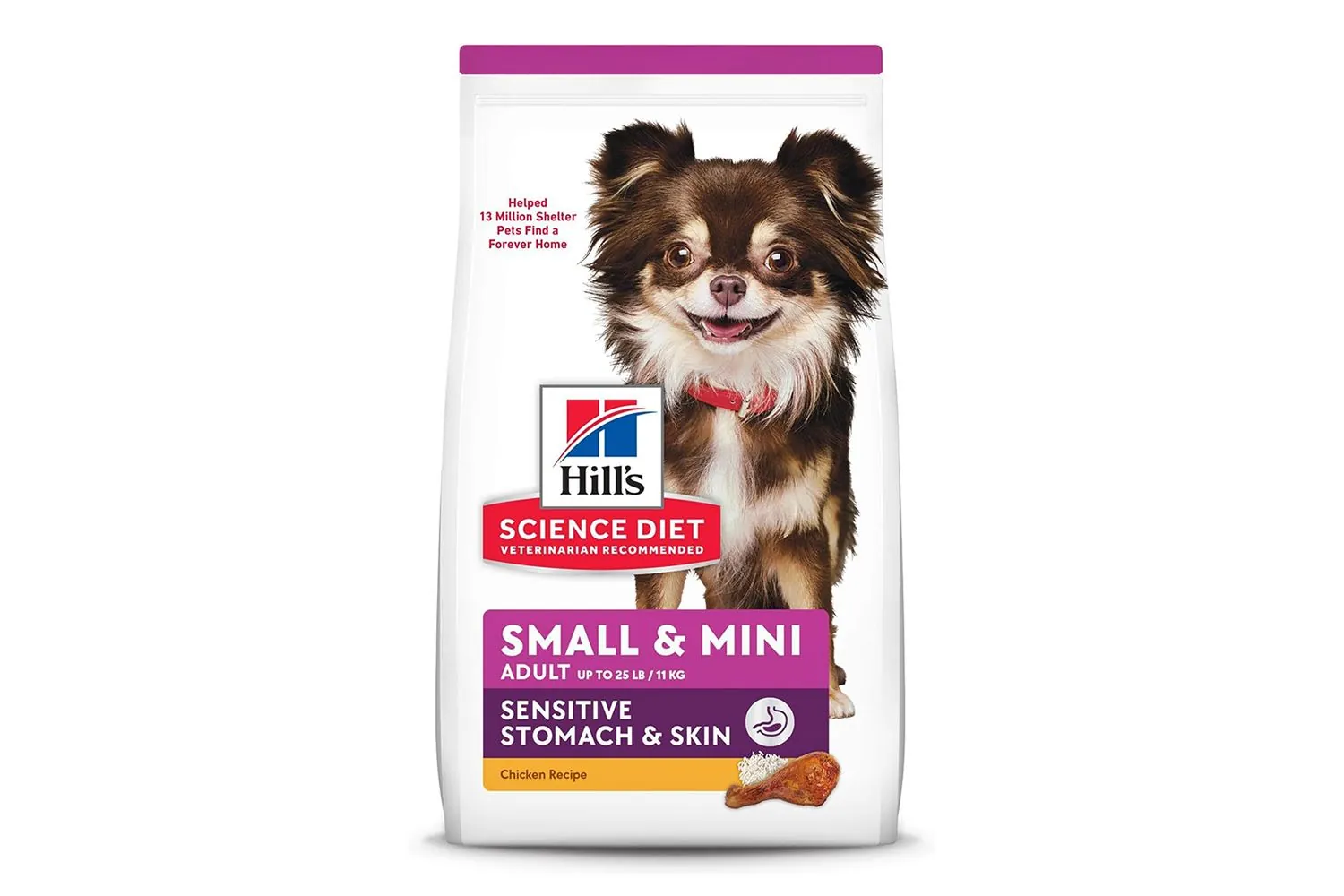
- Trusting “grain-free” as automatically better. Grain-free diets have been linked to dilated cardiomyopathy in dogs by the FDA. Unless your vet diagnoses a specific grain allergy, stick to recipes containing rice or oats.
- Judging quality by the first ingredient alone. Fresh chicken is 70% water, so it weighs more than chicken meal before cooking. A food listing chicken meal first might actually pack more real protein per cup.
- Ignoring the calorie count per cup. Two brands might both feed a 50-pound dog, but one packs 450 calories per cup while the other hits 300. Feeding the same volume of both will make your dog overweight or leave them hungry.
- Buying “all life stages” food for a large-breed puppy. Large puppies need strictly controlled calcium and phosphorus ratios to protect their growing joints. An all-stages formula often exceeds those limits, risking bone deformities.
Frequently asked questions
Is grain-free dog food safer?
No, it isn’t necessarily safer. The FDA investigated a link between grain-free diets and heart disease in dogs. Grains like rice provide energy and fiber. Only switch to grain-free if your vet confirms a diagnosed allergy to a specific grain.
How much should I feed my 50-pound dog?
A 50-pound adult dog typically needs 2.5 to 3.5 cups of dry food daily, assuming a standard kibble with about 350 calories per cup. Always check the specific calorie count on your bag, since dense foods require smaller portions.
Can I mix wet and dry dog food?
Yes, you can mix them safely. Just count the total calories from both sources so you don’t overfeed. Wet food adds moisture, which helps dogs that don’t drink enough water on their own.
Why does my dog eat grass after meals?
Eating grass doesn’t always mean their food lacks nutrients. Dogs sometimes chew grass out of boredom or to add roughage. However, if they vomit frequently after meals, the food might irritate their stomach lining.
How long does opened dry dog food last?
Opened dry food stays fresh for about six weeks if you seal the bag tightly. The fats inside turn rancid when exposed to air. Store it in its original bag inside an airtight container away from heat.
What happens if I switch dog food too fast?
Switching too fast usually causes vomiting, diarrhea or gas. Your dog’s digestive enzymes need time to adjust to new proteins and fats. Follow a seven-day mixing schedule to let their gut bacteria adapt smoothly.
Is human-grade dog food worth the cost?
“Human-grade” means the food was made in a facility inspected for human food safety. It doesn’t automatically mean better nutrition for your dog. A standard AAFCO-approved kibble often provides the same balanced nutrients at a lower price.
Conclusion
Picking a food comes down to reading the label and watching your dog’s body. No badge on the front of the bag replaces the nutrient statement on the back. Weigh your dog monthly, track their energy, and adjust the portion size whenever their ribs become harder or easier to feel.