
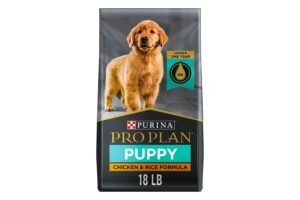
No single brand is the healthiest for every dog because nutritional needs vary by age, size, and health status. The right choice depends on AAFCO adequacy statements matching your dog’s life stage and verified feeding trials rather than marketing claims or ingredient lists alone.
Healthiest Dog Food Brands Summary
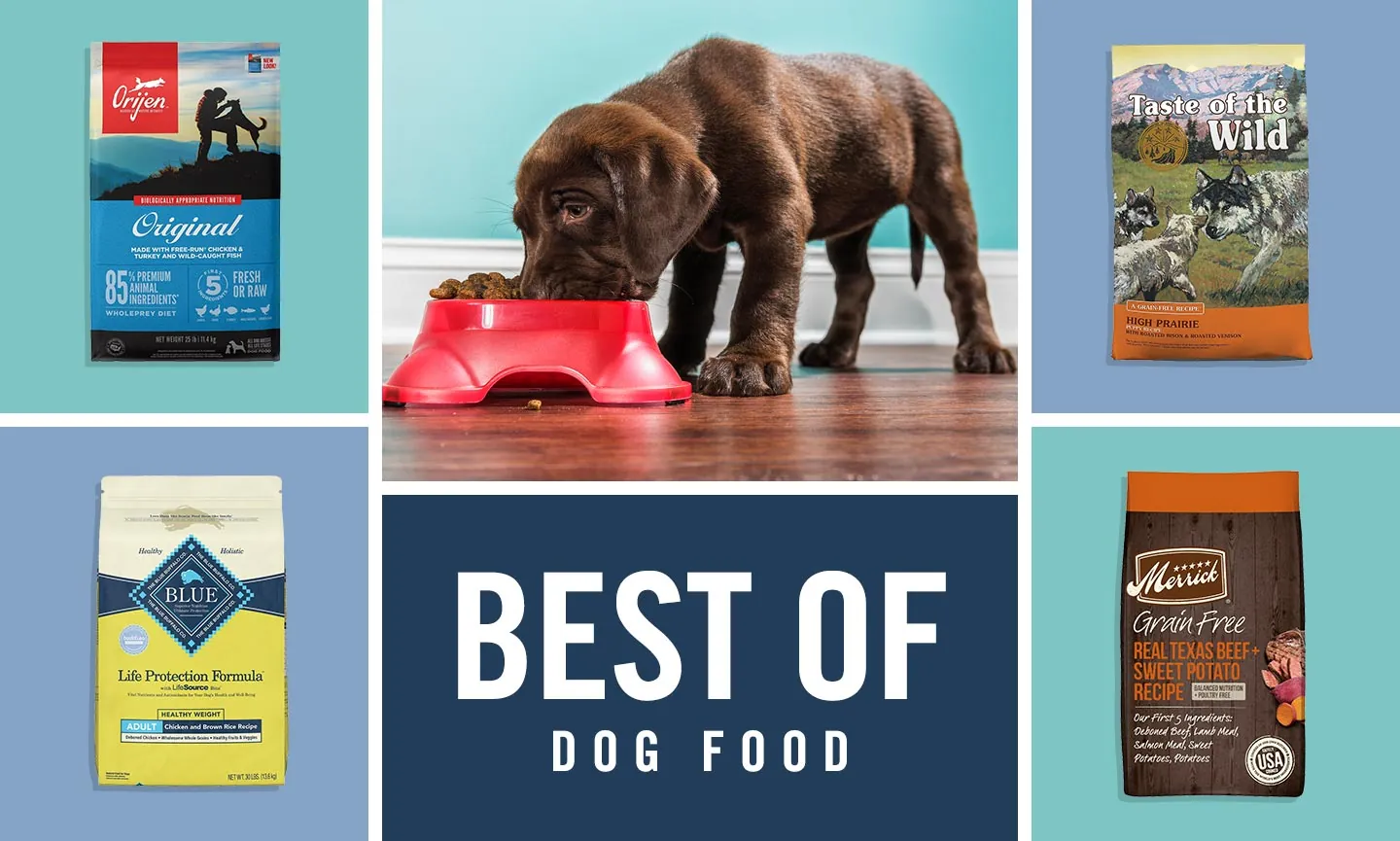
- Check the label for an AAFCO statement confirming complete nutrition for your dog’s specific life stage.
- Prioritize brands employing full-time board-certified veterinary nutritionists to formulate their diets.
- Select foods validated through actual feeding trials instead of formulation analysis alone.
- Match calorie density to your dog’s activity level to prevent obesity-related health issues.
- Avoid boutique diets lacking peer-reviewed safety data or published digestibility studies.
- Consult your veterinarian before switching if your dog has existing medical conditions.
Why Nutrition Standards Matter More Than Brand Names
Nutritional adequacy matters more than brand reputation because dogs require specific nutrient ratios, not just premium ingredients. A food with organic chicken can still cause deficiencies if calcium-to-phosphorus ratios are wrong or essential amino acids are missing. The Association of American Feed Control Officials sets these minimum standards that all legitimate pet foods must meet.
Feeding trials provide stronger evidence than laboratory analysis alone. These tests confirm that dogs actually absorb nutrients from the food over months of real-world consumption. Many premium brands skip this expensive step and rely only on paper formulation, which doesn’t guarantee bioavailability. You’ll find the AAFCO feeding trial protocols describe exactly how these validation studies work.
Ingredient quality affects digestibility but doesn’t define healthfulness by itself. A moderately priced food with 85% digestibility often outperforms an expensive option at 70%. Your dog’s stool volume and coat condition show absorption better than any ingredient list ever could.
When Premium Dog Foods Aren’t Best
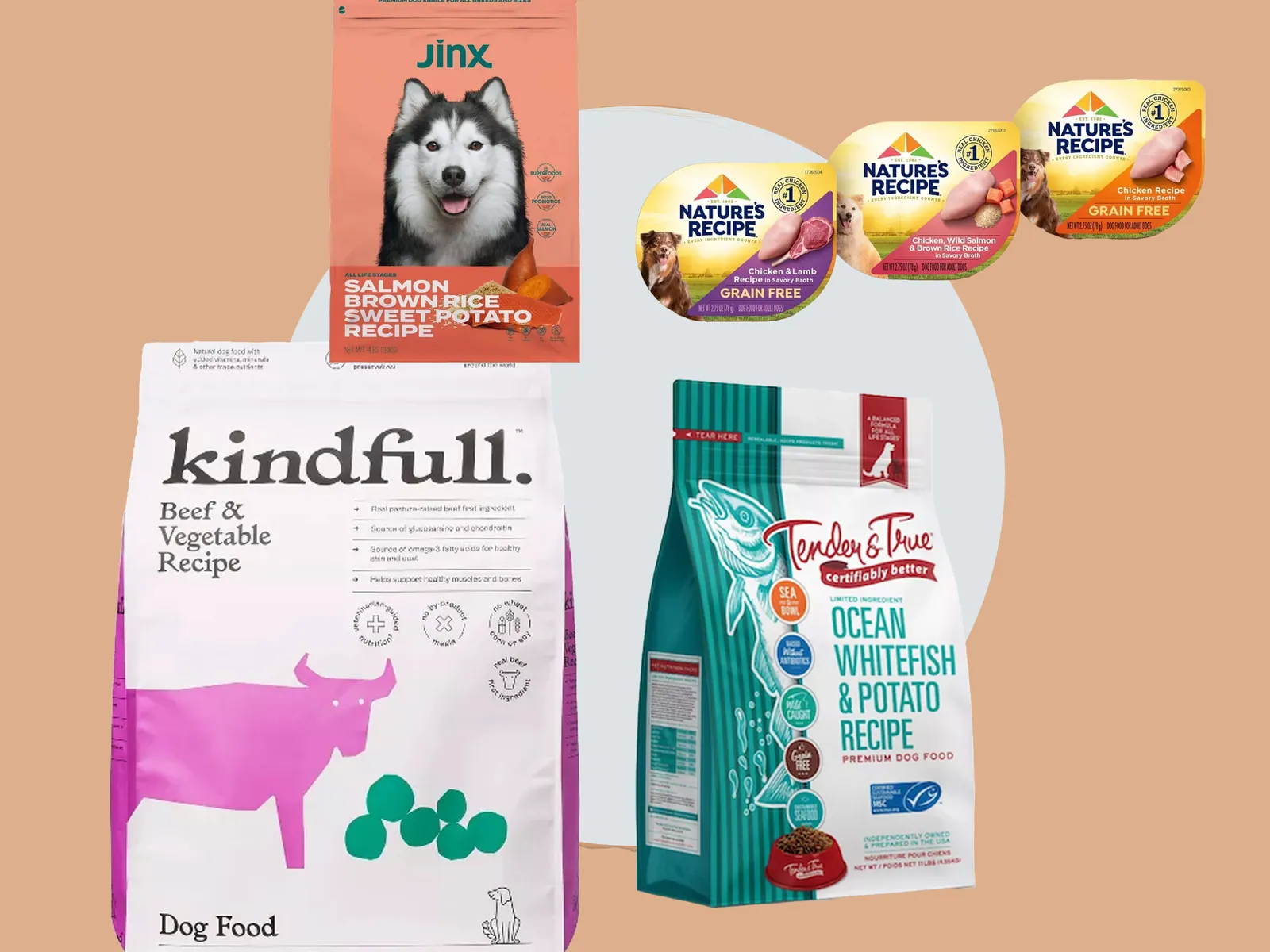
The most expensive option isn’t always superior when individual health factors change the equation. Medical conditions, allergies, and life stages shift priorities away from general wellness formulas toward targeted therapeutic diets.
| Situation | What changes | What to do instead |
|---|---|---|
| Kidney disease diagnosed | Protein restriction needed | Use prescription renal diet |
| Food allergy confirmed | Common proteins trigger reactions | Try hydrolyzed protein formula |
| Puppy under twelve months | Growth requires precise minerals | Feed puppy-specific growth formula |
| Senior with arthritis | Joint support becomes priority | Choose senior diet with glucosamine |
| Pancreatitis history | Fat tolerance drops significantly | Select low-fat gastrointestinal diet |
| Working dog athlete | Calorie needs double or triple | Use high-density performance formula |
Choosing Safe Dog Food Properly
- Read the AAFCO statement first to confirm it matches your dog’s exact life stage and size category.
- Verify the manufacturer employs at least one board-certified veterinary nutritionist on staff full-time.
- Confirm feeding trial completion by checking the label wording says “animal feeding tests” were conducted.
- Calculate daily portions using the bag’s chart based on current weight and body condition score.
- Transition gradually over seven days mixing increasing amounts of new food with decreasing old food.
- Monitor stool quality daily during transition noting any diarrhea, vomiting, or appetite changes immediately.
- Weigh your dog monthly adjusting portions if body condition shifts outside ideal range boundaries.
- Save the lot number and expiration date photographing them in case recalls occur later.
Common Dog Food Selection Mistakes
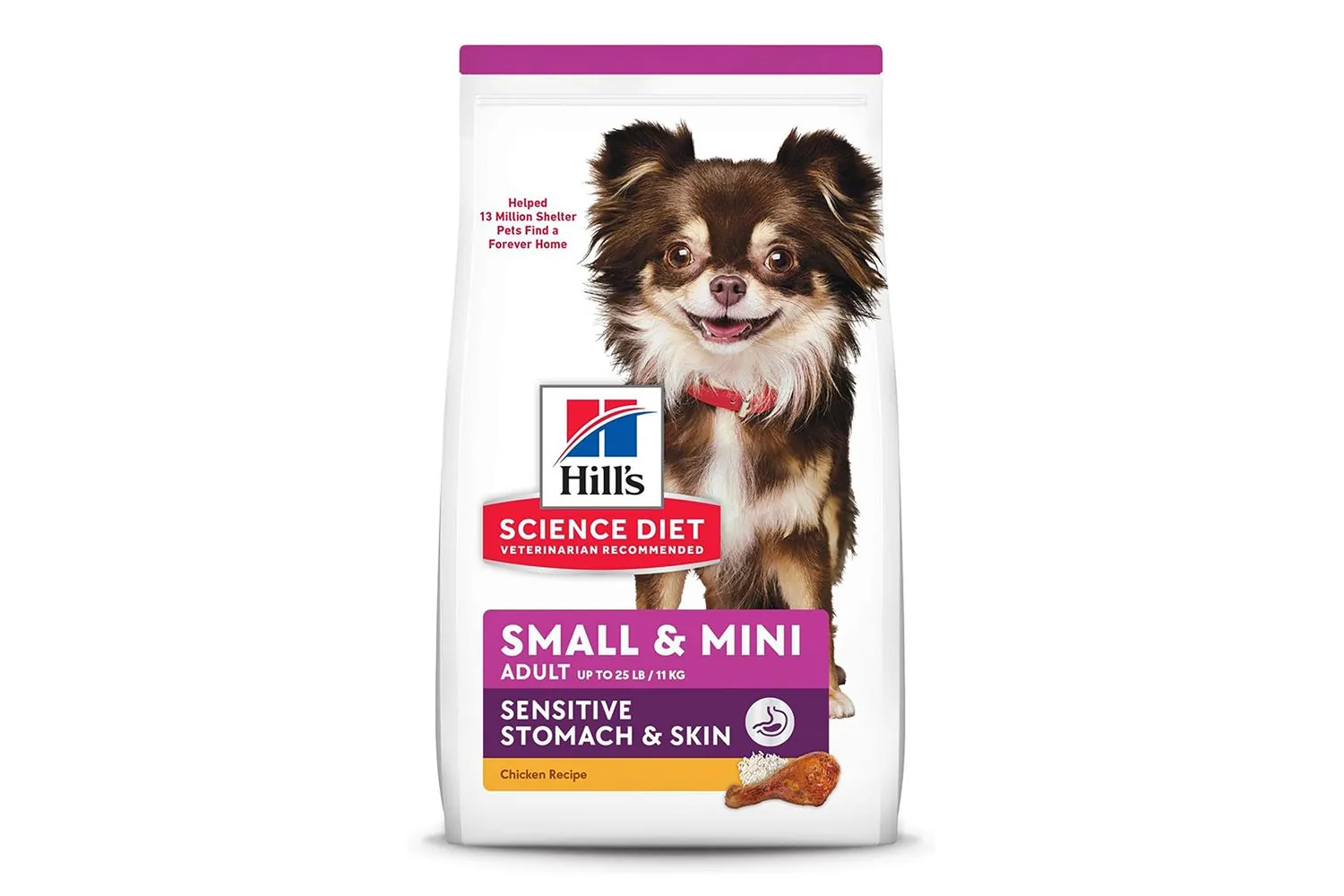
- Ignoring the AAFCO statement leads to nutritional gaps that develop silently over months or years.
- Trusting front-of-bag marketing terms like “holistic” or “ancestral” ignores actual nutrient profiles inside.
- Switching foods too quickly causes digestive upset that owners mistakenly blame on the new food itself.
- Overfeeding even healthy food creates obesity that shortens lifespan regardless of ingredient quality.
- Assuming grain-free means healthier despite FDA investigations linking some grain-free diets to heart disease.
Related guides
- What’s the Healthiest Dog Food Brand? How to Pick the Right One
- What Brand of Dog Food Should I Feed My Dog? How to Choose
- What Dog Food Brands Are Safe: Standards and How to Choose
Frequently asked questions
Can I trust dog food labels?
Yes, if you read the AAFCO statement correctly. Labels are regulated and must accurately state nutritional adequacy methods. Marketing claims on the front aren’t held to the same standard as the guaranteed analysis and adequacy statement on the back.
Why do vets recommend specific brands?
Veterinarians recommend brands with published research and dedicated nutritionists. They’ve seen clinical outcomes across thousands of patients and know which companies maintain consistent quality control. Personal experience with deficiency cases shapes these recommendations more than advertising budgets do.
How long does dog food transition take?
Seven days is standard for healthy adult dogs switching between similar formulas. Sensitive stomachs or therapeutic diet changes may need fourteen days. Rushing this process causes diarrhea that complicates identifying true food intolerances versus temporary adjustment issues.
Is grain-free dog food safe?
It depends on the specific formulation and your dog’s needs. The FDA investigated potential links between certain grain-free diets and dilated cardiomyopathy. Unless your dog has a diagnosed grain allergy, traditional grains provide valuable nutrients without unnecessary risk.
Does expensive dog food mean better quality?
No, price doesn’t correlate directly with nutritional adequacy. Expensive boutique brands sometimes lack feeding trials that mid-range companies complete routinely. Digestibility studies and nutrient bioavailability matter more than cost per pound when evaluating true value.
What happens if my dog eats wrong food?
Mild mismatches cause loose stools or dull coats within weeks. Severe deficiencies in calcium, taurine, or vitamins create irreversible damage over months. Puppies suffer fastest because growth demands leave zero margin for error in mineral balance.
How often should I change dog food?
Only switch when medically necessary or if your current food becomes unavailable. Frequent switching increases allergy risk and makes identifying true sensitivities nearly impossible, while stability allows accurate long-term assessment of whether a diet works.
Conclusion
Your dog’s individual response ultimately determines whether any brand is truly healthy for them. Watch body condition, energy levels, and stool quality as the real metrics, adjusting choices based on observable health rather than packaging promises or online rankings.